About Us Impact News Pricing Contact Us Explore
Make a copy
About Us Impact News Pricing Contact Us Explore
Tools
Project-Based Learning Performance Assessment Student-Led Conferences Digital Portfolios
Framework
Loading
Loading
    Products & Rubric
High School Grade  Project 7 weeks

Sandy Solutions: Cleansing the Waves Together!

Veronica R
Feb 5, 2026
Updated Apr 9, 2026
HS-LS2-7
Critical Thinking & Problem Solving
Effective Communication
Collaboration
Content Expertise
+ 2 more
1-pager

Purpose

The purpose of this project-based learning experience is to engage high school students in hands-on activities that address local environmental issues through the lens of social inequality. Students will explore the impacts of pollution, collaborate with community partners, and develop innovative solutions to mitigate its effects. By integrating case studies and real-world partnerships, students will enhance their critical thinking, communication, and collaboration skills, ultimately fostering a deeper understanding of the interconnectedness between human activities, environmental health, and social justice.

Learning goals

The learning goals for this project include developing a deep understanding of environmental protection policies and how they intersect with social inequality. Students will enhance their critical thinking by devising innovative solutions to reduce human impact on biodiversity, considering how pollution affects various socioeconomic groups. They will strengthen effective communication skills by engaging empathetically with local activists and presenting their findings to experts and community members. Additionally, students will cultivate collaboration skills through peer-co-designed projects and refine their academic mindset by linking their personal identity with their environmental advocacy work.

Standards
  • [Next Generation Science Standards] HS-LS2-7 - Design, evaluate, and refine a solution for reducing the impacts of human activities on the environment and biodiversity.
Competencies
  • Critical Thinking & Problem Solving - Students consider a variety of innovative approaches to address and understand complex questions that are authentic and important to their communities.
  • Effective Communication - Students practice listening to understand, communicating with empathy, and share their learning through exhibiting, presenting and reflecting on their work.
  • Collaboration - Students co-design projects with peers, exercise shared-decision making, strengthen relational agency, resolve conflict, and assume leadership roles.
  • Content Expertise - Students develop key competencies, skills, and dispositions with ample opportunities to apply knowledge and engage in work that matters to them.
  • Academic Mindset - Students establish a sense of place, identity, and belonging to increase self-efficacy while engaging in critical reflection and action.
  • Self Directed Learning - Students use teacher and peer feedback and self-reflection to monitor and direct their own learning while building self knowledge both in and out of the classroom.

Products

Students will collaboratively design a DIY clean-up kit tailored to local needs, including practical tools and informational resources about pollution and its community impacts. They'll construct an interactive public art installation featuring key insights about environmental and social issues, using recycled materials collected during the beach clean-up. Each team will produce a digital portfolio that includes a video presentation of their clean-up kit and an analysis of pollution's effects on various demographic groups, fostering discussions on social inequality and environmental justice.

Launch

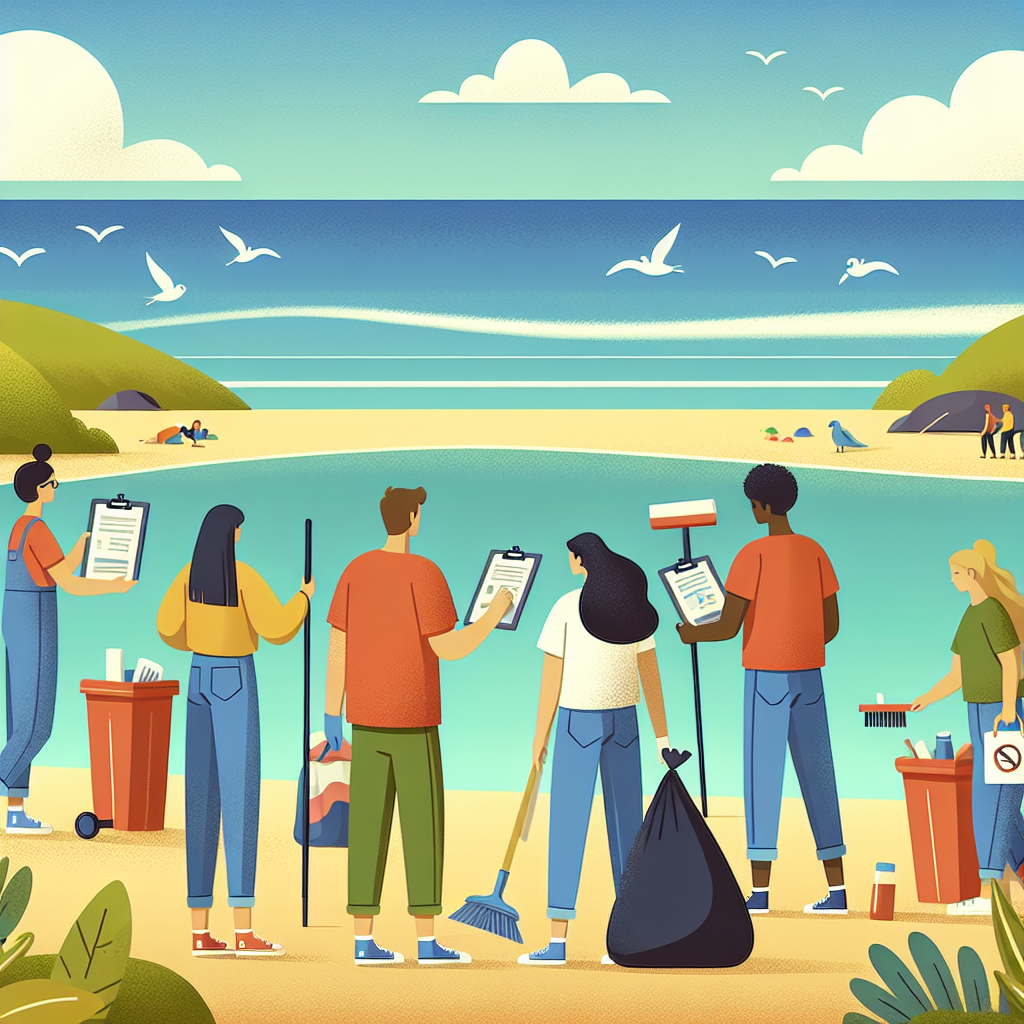
Begin with a collaborative beach cleanup event, inviting students to engage in hands-on learning by collecting and categorizing waste. Pair this physical activity with an investigative discussion that encourages students to hypothesize the origins and implications of the pollution they encounter. After the cleanup, facilitate small group analysis sessions where students use collected data to explore local pollution's connections to socioeconomic and cultural factors. This immersive experience serves as a catalyst for deeper inquiry into environmental policies, social inequality, and community impact.

Exhibition

Organize an engaging virtual presentation series where students debut their documentaries detailing the impacts of pollution and present their innovative clean-up kits. Following the presentations, a live Q&A session with UCONN scientists and environmental policy experts will allow students to defend their findings and solutions. To extend community engagement, students will also produce an interactive public art installation using recycled materials from the beach clean-up, which highlights key insights and invites ongoing dialogues on the socio-environmental implications of pollution.

Plan
By Phase By Day Calendar
Empathize Define Ideate Prototype Test/Present
Empathize
Students will collaboratively conduct field research at the beach cleanup to observe pollution types and engage with community partners in empathy interviews, documenting diverse impacts and perspectives on environmental and social inequality in detailed reflective journals.
Days 1 - 9
Meet Beach Stakeholders
Launch 60m
Empathy Research Artifacts
Deliverable 90m
No activities have been added to this phase yet.

Edit Phase

Loading...
Define
Students will synthesize research on pollution and its societal impacts into a precise problem statement by collaborating with community partners, analyzing case studies, and defining specific environmental and social inequalities to address in their redesign of clean-up efforts.
Days 10 - 18
24 min over capacity (666 min available across 9 days)
Case Study Analysis for Problem Framing
Knowledge/Skill Building 60m
Stakeholder Mapping of Local Pollution
Knowledge/Skill Building 60m
Drafting a Community-Sourced Problem Statement
Knowledge/Skill Building 60m
Misinformation, Inequality, and Policy Debrief
Knowledge/Skill Building 60m
Synthesize Findings into Problem Statement
Knowledge/Skill Building 60m
Synthesize Pollution Research and Framing
Knowledge/Skill Building 60m
Design & Conduct Partner Interviews
Knowledge/Skill Building 60m
Inequality Lens: Pollution and Society
Knowledge/Skill Building 60m
Policy Context, Protections, and Gaps
Knowledge/Skill Building 60m
Draft Problem Statement with Stakeholders
Knowledge/Skill Building 60m
Define Pollution Problem
Deliverable 90m
No activities have been added to this phase yet.

Edit Phase

Loading...
Ideate
Students will collaborate in teams to brainstorm and develop multiple creative solutions for environmental clean-up kits, applying social inequality insights and leveraging feedback from community partners to ensure their ideas are inclusive and effective.
Days 19 - 30
Empathy Interview Planning for Pollution Impact
Knowledge/Skill Building 45m
Pollution Data Categorization and Storytelling
Knowledge/Skill Building 45m
Low-Cost Clean-Up Kit Concept Sketching
Knowledge/Skill Building 60m
Prototype Mockups for Area-Specific Kits
Knowledge/Skill Building 60m
Partner Feedback Workshop and Reflection
Knowledge/Skill Building 45m
Analyzing Pollution Patterns for Kit Design
Knowledge/Skill Building 60m
Empathy Interviews to Understand Pollution Impacts
Knowledge/Skill Building 60m
Prototype and Evaluate DIY Clean-Up Kit
Knowledge/Skill Building 60m
Brainstorm Clean-Up Concepts
Deliverable 90m
No activities have been added to this phase yet.

Edit Phase

Loading...
Prototype
Students will develop and test prototypes of pollution clean-up kits, iterating on designs through feedback from UCONN scientists and community partners, while documenting their process and reflections in digital portfolios and bi-weekly journals.
Days 31 - 45
Prototype Ideation: Kit Component Design
Knowledge/Skill Building 45m
Partner Feedback Forum: Iterate with Experts
Knowledge/Skill Building 60m
Data Literacy: Classifying Pollution & Social Signals
Knowledge/Skill Building 60m
Empathy Interviews & Misinformation Reflection
Knowledge/Skill Building 60m
Refinement Sprint & Journal Update
Knowledge/Skill Building 60m
Prototype Kit Blueprint and Safety Plans
Knowledge/Skill Building 60m
Sourcing Affordable Materials for Clean-Up Kit
Knowledge/Skill Building 45m
Field Test Kit in Classroom Scenario
Knowledge/Skill Building 60m
Synthesis of Feedback with UCONN Partners
Knowledge/Skill Building 45m
Iterative Redesign and Reflective Journals
Knowledge/Skill Building 60m
Prototype Iteration Sprint
Deliverable 90m
No activities have been added to this phase yet.

Edit Phase

Loading...
Test/Present
Students will present their refined clean-up kits to community partners and stakeholders, incorporating feedback through live virtual presentations, and showcase their digital portfolios, highlighting their solutions to combat pollution and its effects on diverse communities, followed by engaging Q&A sessions with experts.
Days 46 - 60
405 min over capacity (1110 min available across 15 days)
Beach Pollutant Data Analysis Workshop
Knowledge/Skill Building 60m
Wastewater Insight and Local Inequality
Knowledge/Skill Building 60m
Jars to Journal: Water Quality
Knowledge/Skill Building 45m
Activist Interviews for Empathy Building
Knowledge/Skill Building 50m
Prototype Clean-Up Kit Trials and Feedback
Knowledge/Skill Building 60m
Interpreting Water Analysis Jar Data
Knowledge/Skill Building 45m
Prototype Clean-Up Kit with Partners
Knowledge/Skill Building 50m
Empathy Interviews with Local Activists
Knowledge/Skill Building 40m
Policy Lens on Protection and Inequality
Knowledge/Skill Building 45m
Frame Problem Statements for Day 48
Knowledge/Skill Building 40m
Rehearse Community Partner Presentation Pitch
Knowledge/Skill Building 45m
Visualize Pollution Data for Storytelling
Knowledge/Skill Building 60m
Mock Panel Q&A with Stakeholders
Knowledge/Skill Building 60m
Update Reflective Journals and Portfolios
Knowledge/Skill Building 45m
Final Virtual Showcase and Feedback Cycle
Knowledge/Skill Building 60m
Frame Problem Statements
Deliverable 60m
Final Virtual Presentation to Community Partners
Knowledge/Skill Building 60m
Low-Fidelity Kit Prototypes
Deliverable 75m
Mock Virtual Presentation to Partners
Knowledge/Skill Building 60m
Interpret Pollution Data to Refine Kits
Knowledge/Skill Building 60m
Pollution Data Capture
Deliverable 60m
Refine Cleanup Kit with Community Feedback
Knowledge/Skill Building 60m
Second Prototype Iteration
Deliverable 75m
Final Rehearsal: Refine Presentation & Portfolio
Knowledge/Skill Building 60m
Exhibition Rehearsal
Deliverable 60m
Mock Virtual Presentation with Stakeholder Feedback
Knowledge/Skill Building 60m
Final Prep Synthesis
Deliverable 60m
Final Clean-Up Kit Exhibition
Assessment
No activities have been added to this phase yet.

Edit Phase

Loading...
Empathize Days 1–9
Day 1
Meet Beach Stakeholders
Launch 60m
Day 2
Case Study Analysis for Problem Framing
Knowledge/Skill Building 60m
Day 3
Stakeholder Mapping of Local Pollution
Knowledge/Skill Building 60m
Day 4
Empathy Research Artifacts
Deliverable 90m
Drafting a Community-Sourced Problem Statement
Knowledge/Skill Building 60m
Day 5
Misinformation, Inequality, and Policy Debrief
Knowledge/Skill Building 60m
Day 6
Synthesize Findings into Problem Statement
Knowledge/Skill Building 60m
Day 7
Synthesize Pollution Research and Framing
Knowledge/Skill Building 60m
Day 8
Design & Conduct Partner Interviews
Knowledge/Skill Building 60m
Day 9
Inequality Lens: Pollution and Society
Knowledge/Skill Building 60m
Define Days 10–18
Day 10
Policy Context, Protections, and Gaps
Knowledge/Skill Building 60m
Day 11
Draft Problem Statement with Stakeholders
Knowledge/Skill Building 60m
Day 12
Define Pollution Problem
Deliverable 90m
Day 13
Empathy Interview Planning for Pollution Impact
Knowledge/Skill Building 45m
Day 14
Pollution Data Categorization and Storytelling
Knowledge/Skill Building 45m
Day 15
Low-Cost Clean-Up Kit Concept Sketching
Knowledge/Skill Building 60m
Day 16
Prototype Mockups for Area-Specific Kits
Knowledge/Skill Building 60m
Day 17
Partner Feedback Workshop and Reflection
Knowledge/Skill Building 45m
Day 18
Analyzing Pollution Patterns for Kit Design
Knowledge/Skill Building 60m
Ideate Days 19–30
Day 19
Empathy Interviews to Understand Pollution Impacts
Knowledge/Skill Building 60m
Day 20
Prototype and Evaluate DIY Clean-Up Kit
Knowledge/Skill Building 60m
Day 21
Brainstorm Clean-Up Concepts
Deliverable 90m
Day 22
Prototype Ideation: Kit Component Design
Knowledge/Skill Building 45m
Day 23
Partner Feedback Forum: Iterate with Experts
Knowledge/Skill Building 60m
Day 24
Data Literacy: Classifying Pollution & Social Signals
Knowledge/Skill Building 60m
Day 25
Empathy Interviews & Misinformation Reflection
Knowledge/Skill Building 60m
Day 26
Refinement Sprint & Journal Update
Knowledge/Skill Building 60m
Day 27
Prototype Kit Blueprint and Safety Plans
Knowledge/Skill Building 60m
Day 28
Sourcing Affordable Materials for Clean-Up Kit
Knowledge/Skill Building 45m
Day 29
Field Test Kit in Classroom Scenario
Knowledge/Skill Building 60m
Day 30
Synthesis of Feedback with UCONN Partners
Knowledge/Skill Building 45m
Prototype Days 31–45
Day 31
Iterative Redesign and Reflective Journals
Knowledge/Skill Building 60m
Day 32
Prototype Iteration Sprint
Deliverable 90m
Day 33
Beach Pollutant Data Analysis Workshop
Knowledge/Skill Building 60m
Day 34
Wastewater Insight and Local Inequality
Knowledge/Skill Building 60m
Day 35
Jars to Journal: Water Quality
Knowledge/Skill Building 45m

July 2026

Mon
Tue
Wed
Thu
Fri
29 Day 1
Empathize
Meet Beach Stakeholders
30 Day 2
Case Study Analysis for Problem Framing
1 Day 3
Stakeholder Mapping of Local Pollution
2 Day 4
Empathy Research Artifacts
Drafting a Community-Sourced Problem Statement
3 Day 5
Misinformation, Inequality, and Policy Debrief
6 Day 6
Synthesize Findings into Problem Statement
7 Day 7
Synthesize Pollution Research and Framing
8 Day 8
Design & Conduct Partner Interviews
9 Day 9
Inequality Lens: Pollution and Society
10 Day 10
Define
Policy Context, Protections, and Gaps
13 Day 11
Draft Problem Statement with Stakeholders
14 Day 12
Define Pollution Problem
15 Day 13
Empathy Interview Planning for Pollution Impact
16 Day 14
Pollution Data Categorization and Storytelling
17 Day 15
Low-Cost Clean-Up Kit Concept Sketching
20 Day 16
Prototype Mockups for Area-Specific Kits
21 Day 17
Partner Feedback Workshop and Reflection
22 Day 18
Analyzing Pollution Patterns for Kit Design
23 Day 19
Ideate
Empathy Interviews to Understand Pollution Impacts
24 Day 20
Prototype and Evaluate DIY Clean-Up Kit
27 Day 21
Brainstorm Clean-Up Concepts
28 Day 22
Prototype Ideation: Kit Component Design
29 Day 23
Partner Feedback Forum: Iterate with Experts
30 Day 24
Data Literacy: Classifying Pollution & Social Signals
31 Day 25
Empathy Interviews & Misinformation Reflection

August 2026

Mon
Tue
Wed
Thu
Fri
3 Day 26
Refinement Sprint & Journal Update
4 Day 27
Prototype Kit Blueprint and Safety Plans
5 Day 28
Sourcing Affordable Materials for Clean-Up Kit
6 Day 29
Field Test Kit in Classroom Scenario
7 Day 30
Synthesis of Feedback with UCONN Partners
10 Day 31
Prototype
Iterative Redesign and Reflective Journals
11 Day 32
Prototype Iteration Sprint
12 Day 33
Beach Pollutant Data Analysis Workshop
13 Day 34
Wastewater Insight and Local Inequality
14 Day 35
Jars to Journal: Water Quality
Share
Activities
Loading
Loading
Loading
Get it on Google Play
© 2026 Inkwire Inc
Contact Us Privacy Policy Terms of Service
A new version of Inkwire is available.