8th Grade  Lesson 45 minutes

Storybook Initials Sparkle

Yuly M
Updated
Find inspiration and ideas
Develop my craft
Develop as a multilingual
1-pager

Purpose

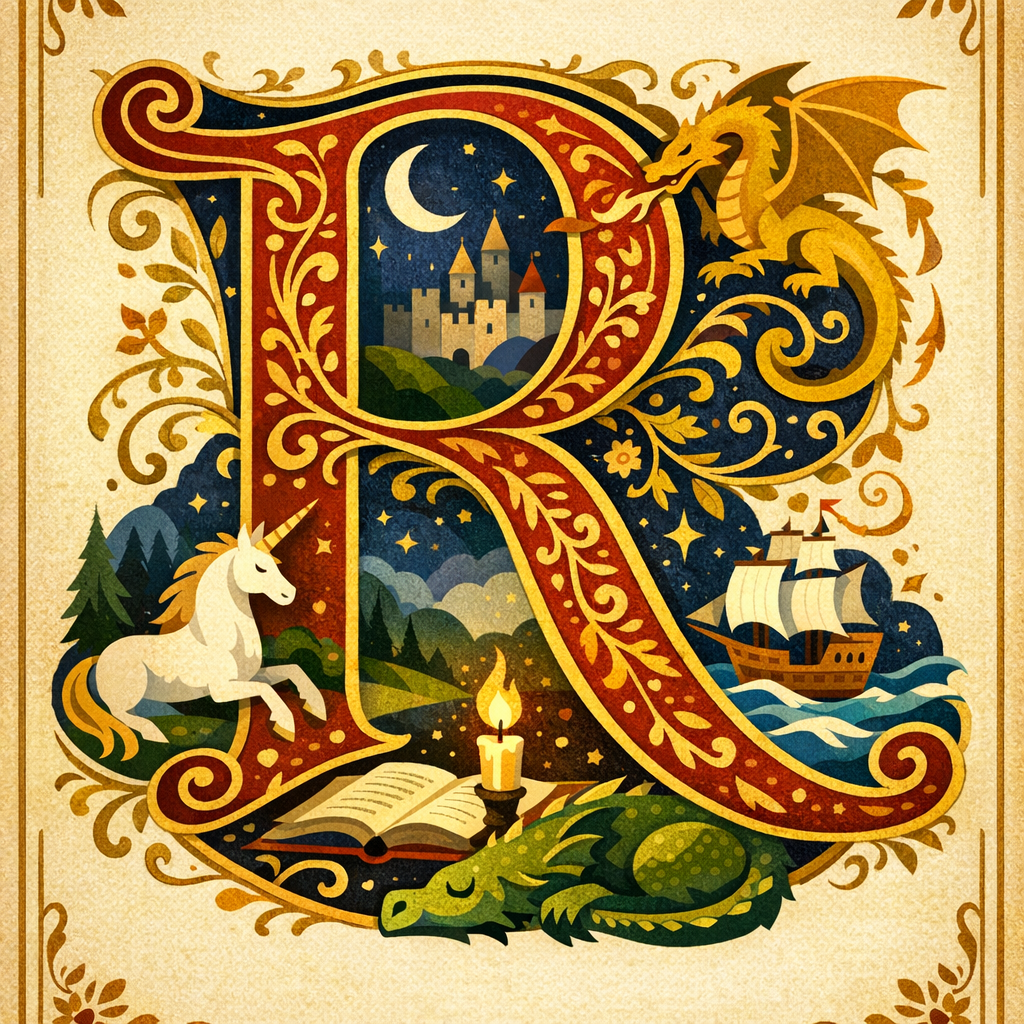
Students investigate how medieval artists used color, pattern, and symbolism to make letters meaningful, then apply those same strategies to design an illuminated first initial that tells a personal story. Through a quick launch with manuscript images or image cards, they practice noticing and discussing decorative choices using art vocabulary like contrast, symmetry, repetition, and symbolism. They build craft by planning, outlining, and layering color so the letter remains readable, decorative, and expressive. The experience ends with a finished mounted initial and artist statement, or a photographed slideshow with captions, connecting visual storytelling, technique, and multilingual identity.

Learning goals

Students analyze illuminated manuscript images to identify how color, pattern, contrast, symmetry, repetition, and symbolism make a letter meaningful and expressive. They use art vocabulary in pair discussions to share observations, compare design choices, and connect visual details to personal stories and multilingual identity. They plan and create a readable illuminated initial that includes decorative patterns and at least one personal symbol, using outlining and layered color with control and care. They present the finished piece with a short artist statement or caption that explains the story, symbol, and design choices.

Competencies
  • Read The World - Find inspiration and ideas (RW.1)
  • Express Ideas - Develop my craft (EXI.3)
  • Build Community - Develop as a multilingual (BC.4)

Products

Students will create quick thumbnail sketches and one refined draft of the first letter of their name, using color, pattern, and a personal symbol inspired by a story. By the end, each student will produce a finished illuminated initial mounted on cardstock with a brief artist statement explaining the story, symbolism, and design choices that keep the letter decorative and readable. The class will also photograph the finished pieces for a short digital slideshow with titles and captions that describe the use of contrast, symmetry, repetition, and symbolism. These products give students a way to share visual ideas and language in pairs, small groups, and with the whole class.

Launch

Display 3–4 vivid illuminated manuscript initials and invite students to do a fast gallery walk, jotting what they notice about color, pattern, contrast, symmetry, repetition, and symbolism. In pairs, students use image cards to discuss which letters feel most decorative and expressive and identify one visual choice that makes each letter meaningful. Then each student sketches the first letter of their name and adds one symbol from a personal story, interest, or culture to test how an initial can communicate meaning. Close with a brief share-out that connects their observations and sketches to the questions of how medieval artists made letters both beautiful and expressive.

Exhibition

Create a mini “Medieval Gallery Walk” where students display their mounted illuminated initials beside a brief artist statement, then invite classmates or another 8th grade class to view the work and leave comments about color, pattern, and symbolism. Add a looping digital slideshow of photographed pieces with titles and captions so visitors can compare how different students made letters both decorative and expressive. During the exhibition, students act as gallery guides, using art vocabulary such as contrast, symmetry, repetition, and symbolism to explain the personal story behind their design. End with a short multilingual share-out in which students present one word or phrase connected to their story or symbol in another language they know or are learning.