All grades  Project 5 weeks

Thrift to Thread: Fashion Reimagined

Jennifer J
Updated
Critical Thinking & Problem Solving
Effective Communication
Content Expertise
Collaboration
Academic Mindset
1-pager

Purpose

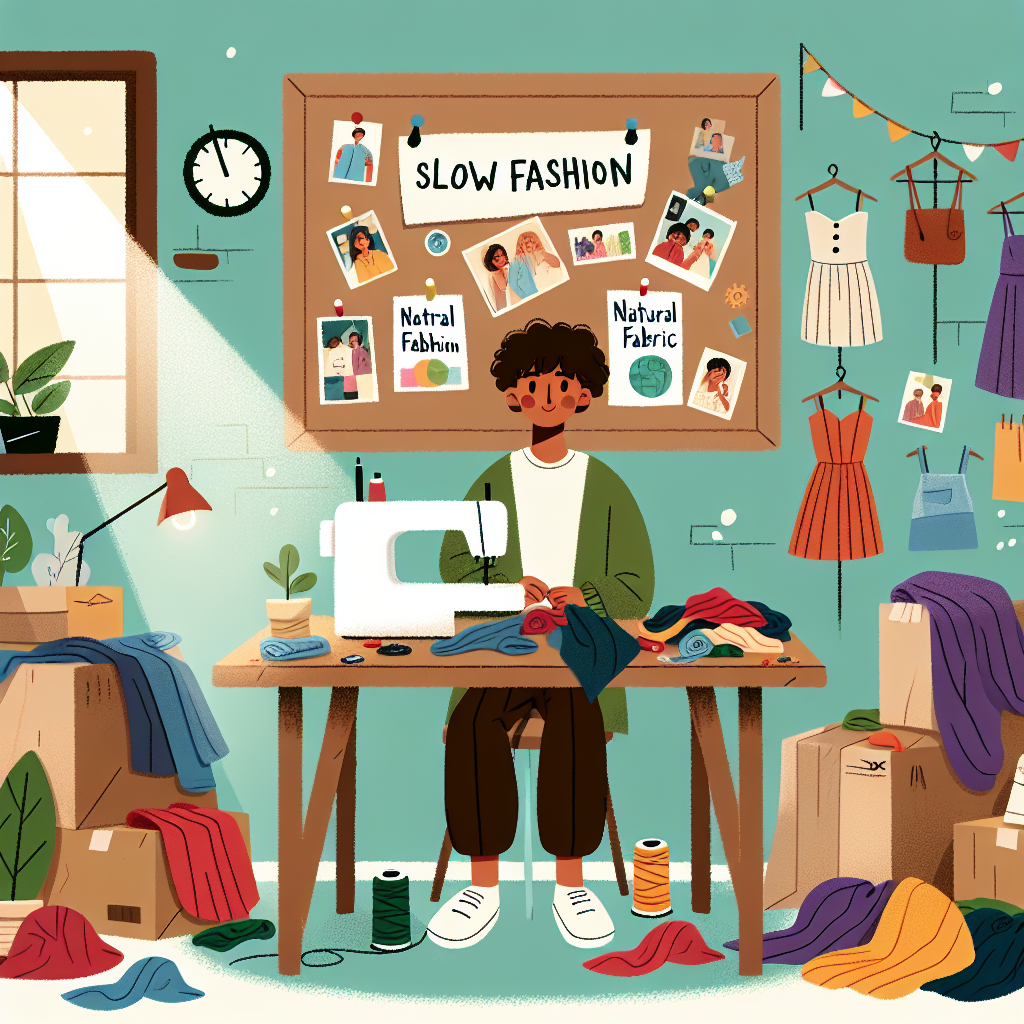
Dive into the world of fashion to understand its impact on the environment and communities by upcycling thrifted clothing. Engage with industry insiders like Claudia from Sew Loka and Chris Carson from Homegrown Project to gain real-world insights. Develop critical thinking and effective communication skills as you explore the concepts of slow and fast fashion, alongside the benefits of natural fabrics. Collaborate with peers to design meaningful solutions and reflect on your progress. Showcase your creative upcycled fashion pieces in a unique exhibition, highlighting your economic savings and contributions to sustainable practices.

Learning goals

Explore and critically assess the concepts of slow fashion, fast fashion, and their global impact through hands-on upcycling projects. Investigate the properties and benefits of natural fabrics while collaborating with your peers to creatively transform thrifted clothing and minimize waste. Develop communication skills by interviewing community partners, such as Claudia from Sew Loka or Chris Carson from Homegrown Project, to gain diverse perspectives on sustainable fashion Practices. Exhibit your upcycled creations, showcasing cost savings and personal impact as part of a reflective gallery display.

Competencies
  • Critical Thinking & Problem Solving - Students consider a variety of innovative approaches to address and understand complex questions that are authentic and important to their communities.
  • Effective Communication - Students practice listening to understand, communicating with empathy, and share their learning through exhibiting, presenting and reflecting on their work.
  • Content Expertise - Students develop key competencies, skills, and dispositions with ample opportunities to apply knowledge and engage in work that matters to them.
  • Collaboration - Students co-design projects with peers, exercise shared-decision making, strengthen relational agency, resolve conflict, and assume leadership roles.
  • Academic Mindset - Students establish a sense of place, identity, and belonging to increase self-efficacy while engaging in critical reflection and action.

Products

Create a collection of upcycled and thrifted clothing pieces that showcase creativity and sustainability. Collaborate with classmates to design and produce garments using natural fabrics, implementing techniques you learn from interviews with community partners like Claudia or Chris. Document the transformation process through photos and journals, detailing your inspiration and methods used. For the exhibition, include detailed price tags reflecting the savings and ecological benefits of each piece.

Launch

Begin your project by hosting a thrift store scavenger hunt where you search for potential clothing items to upcycle. Work in pairs to select pieces that resonate with both of you, considering factors like fabric type and potential design impacts. Then, organize a group discussion to share your finds, discussing initial thoughts on the concept of slow fashion and its community relevance. This hands-on activity will set the stage for a deeper exploration of upcycling and sustainable fashion practices.

Exhibition

Organize a fashion show where you present your upcycled clothing creations on a runway. Accompany each item with a price tag noting the savings achieved through upcycling. Design informative posters that detail the impact of fast fashion, the benefits of slow fashion, and insights gained from interviews with community partners. Create interactive stations where attendees can learn about the materials and processes involved in your work, allowing them to engage deeply with the themes explored during your project.