All grades  Project 4 weeks

Recess Oasis: Inclusive Play Paradise

Marijo P
Updated
Collaboration
Academic Mindset
Content Expertise
Critical Thinking & Problem Solving
Self Directed Learning
1-pager

Purpose

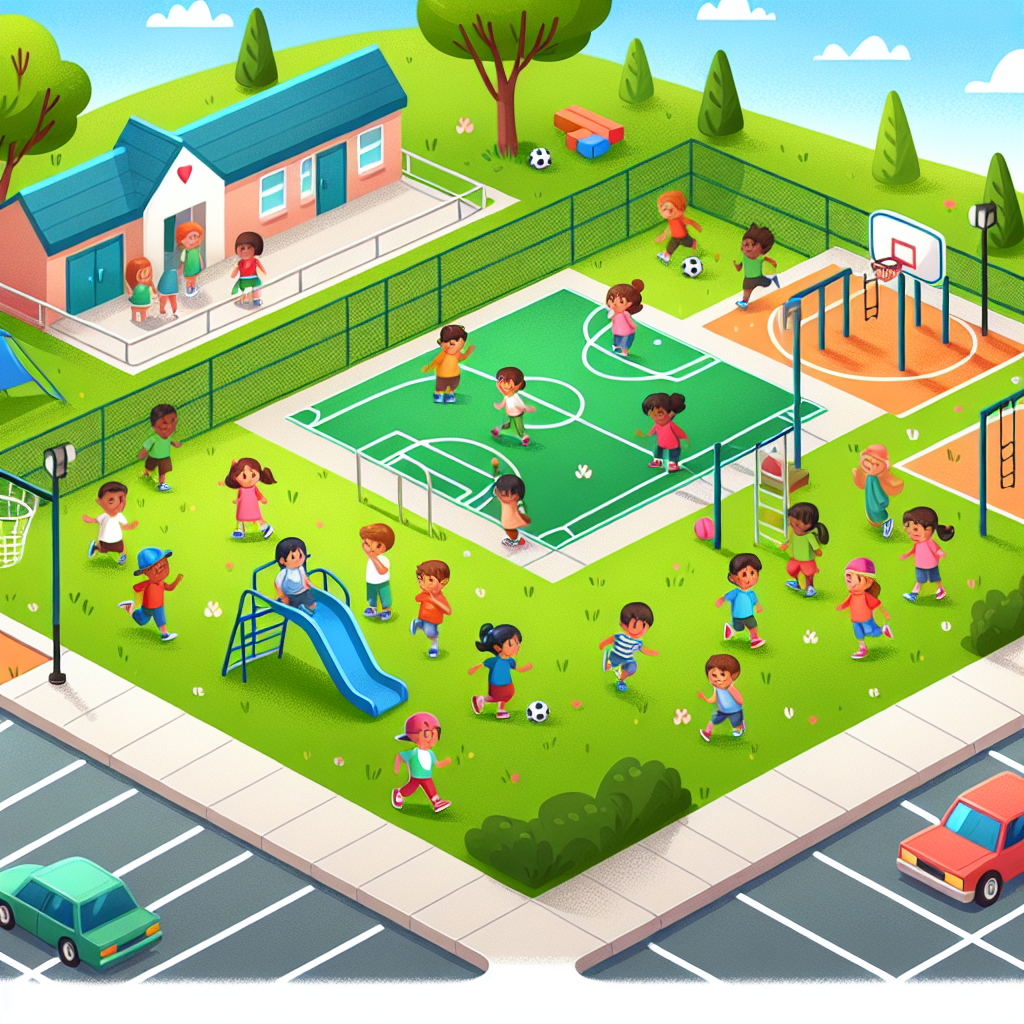
Over a four-week period, students from Kindergarten to 12th grade will collaboratively design and implement an engaging and sustainable outdoor play area that caters to diverse age groups and needs. The purpose of this project is to foster collaboration, critical thinking, and community involvement while providing tangible contributions to the students' environment. This hands-on experience encourages students to apply their content knowledge and develop a sense of place, belonging, and identity through active contribution to their community.

Learning goals

Students will collaboratively design an outdoor play area that encourages physical activity and fosters community engagement. Through this project, they will develop skills in teamwork, negotiation, and leadership as they work alongside peers and community members. They will apply their knowledge in creating solutions that balance aesthetic appeal, functionality, and safety for diverse age groups. This experience will enhance their critical thinking abilities as they navigate complex challenges, reflecting on feedback to refine their plans. Overall, students will deepen their understanding of how community-centered projects promote inclusivity and sustainability.

Competencies
  • Collaboration - Students co-design projects with peers, exercise shared-decision making, strengthen relational agency, resolve conflict, and assume leadership roles.
  • Academic Mindset - Students establish a sense of place, identity, and belonging to increase self-efficacy while engaging in critical reflection and action.
  • Content Expertise - Students develop key competencies, skills, and dispositions with ample opportunities to apply knowledge and engage in work that matters to them.
  • Critical Thinking & Problem Solving - Students consider a variety of innovative approaches to address and understand complex questions that are authentic and important to their communities.
  • Self Directed Learning - Students use teacher and peer feedback and self-reflection to monitor and direct their own learning while building self knowledge both in and out of the classroom.

Products

Students will collaboratively create a detailed blueprint and model of the proposed outdoor play area, incorporating design elements that promote safety, inclusivity, and sustainability. Throughout the project, students will document their process and reflections in a digital portfolio. As a final product, they will present their designs along with a proposal to community stakeholders, supported by research and data collected during site evaluations and surveys conducted with local families and businesses.

Launch

Kick off the project with an outdoor design challenge where students brainstorm playground features using large posters or interactive digital tools. Invite community stakeholders to share their needs and visions for a playground that celebrates diverse experiences, fostering immediate connections with the project. Encourage students to explore the greenspace, sketch potential layouts, and discuss creative ideas that accommodate varied interests and ages, highlighting collaboration and creativity from the start.

Exhibition

At the conclusion of the project, students will host a Design & Play Festival to unveil their co-designed outdoor play area. This event will feature guided tours led by student teams, showcasing different design elements and explaining the thought processes behind their creation. A presentation and Q&A session will allow students to share insights on collaboration, creativity, and problem-solving. Parents, local officials, and community members will participate in interactive activities, experiencing the playground firsthand and exploring its impact on promoting physical activity and community engagement.