11th Grade  Project 4 weeks

World Politics Unpacked

Florentin C
Updated
CCSS.ELA-Literacy.SL.11-12.1
CCSS.ELA-Literacy.WHST.11-12.7
CCSS.ELA-Literacy.W.11-12.7
CCSS.ELA-Literacy.WHST.11-12.1
CCSS.ELA-Literacy.RH.11-12.10
+ 5 more
1-pager

Purpose

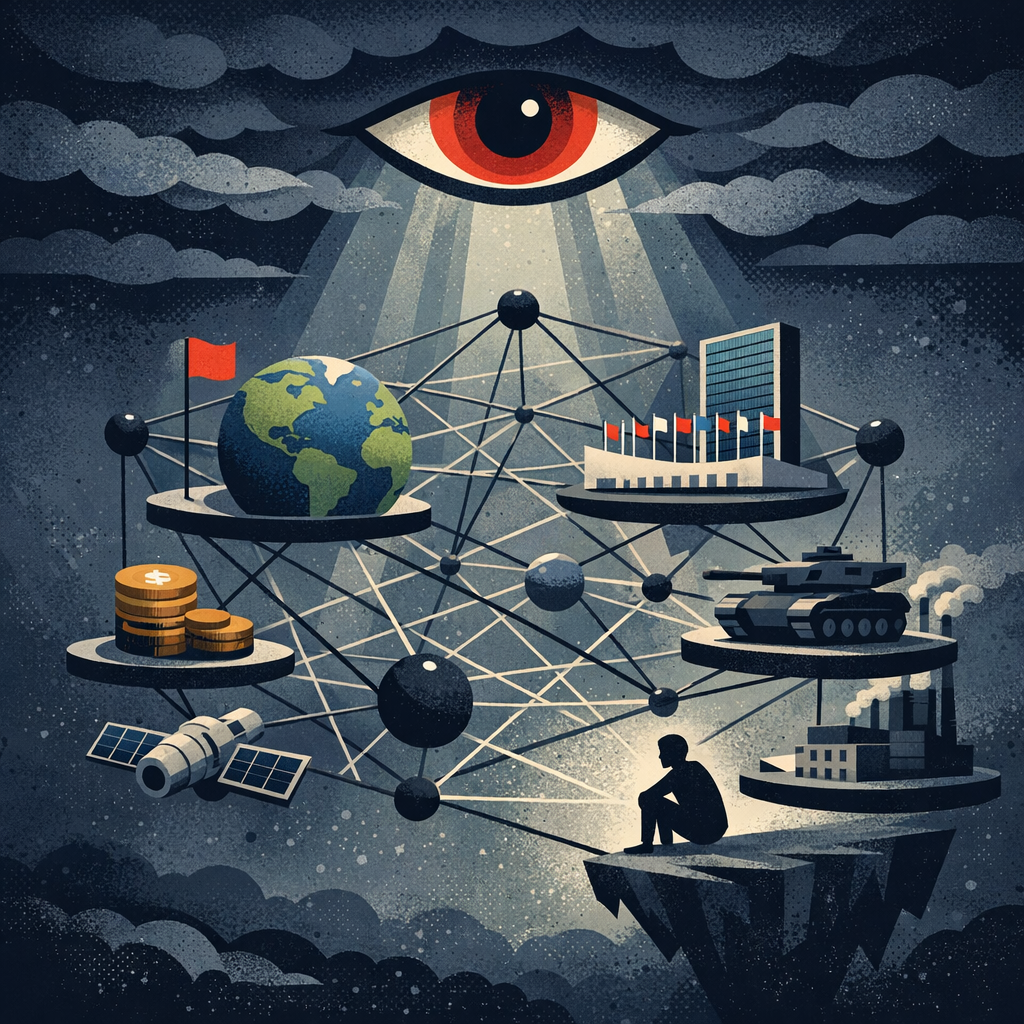
Investigate how the international system works by testing what happens when states and other actors must make decisions, pursue interests, and respond to rules without a single world government. Launch your work with a Mini Summit Challenge on trade, migration, or climate so you can practice negotiation, compromise, and evidence-based argumentation while experiencing the difficulty of making and enforcing agreements. Use research and discussion to compare international politics with politics inside a nation-state and explain how power, law, norms, and different actors shape outcomes. End with a self-assessment conference where you present evidence of your learning, reflect on your collaboration and persistence, and name one next step for studying international politics.

Learning goals

You will analyze how the international system is structured by explaining anarchy, the security dilemma, interdependence, and the differences between politics inside states and politics between states. You will investigate how states, international organizations, and transnational actors make decisions by balancing self-interest, norms, power, and the common good, using research and complex texts to support your claims. You will practice negotiation, compromise, and evidence-based argumentation through the Mini Summit Challenge, then collaborate in discussions and write a clear argument about how international agreements are made and why enforcing them is difficult without a world government. You will reflect on your growth by preparing evidence for a self-assessment conference on your content understanding, collaboration, persistence, and next steps in studying international politics.

Standards
  • [Common Core] CCSS.ELA-Literacy.SL.11-12.1 - Initiate and participate effectively in a range of collaborative discussions (one-on-one, in groups, and teacher-led) with diverse partners on grades 11—12 topics, texts, and issues, building on others' ideas and expressing their own clearly and persuasively.
  • [Common Core] CCSS.ELA-Literacy.WHST.11-12.7 - Conduct short as well as more sustained research projects to answer a question (including a self-generated question) or solve a problem; narrow or broaden the inquiry when appropriate; synthesize multiple sources on the subject, demonstrating understanding of the subject under investigation.
  • [Common Core] CCSS.ELA-Literacy.W.11-12.7 - Conduct short as well as more sustained research projects to answer a question (including a self-generated question) or solve a problem; narrow or broaden the inquiry when appropriate; synthesize multiple sources on the subject, demonstrating understanding of the subject under investigation.
  • [Common Core] CCSS.ELA-Literacy.WHST.11-12.1 - Write arguments focused on discipline-specific content.
  • [Common Core] CCSS.ELA-Literacy.RH.11-12.10 - By the end of grade 12, read and comprehend history/social studies texts in the grades 11—CCR text complexity band independently and proficiently.
Competencies
  • Critical Thinking & Problem Solving - Students consider a variety of innovative approaches to address and understand complex questions that are authentic and important to their communities.
  • Collaboration - Students co-design projects with peers, exercise shared-decision making, strengthen relational agency, resolve conflict, and assume leadership roles.
  • Effective Communication - Students practice listening to understand, communicating with empathy, and share their learning through exhibiting, presenting and reflecting on their work.
  • Content Expertise - Students develop key competencies, skills, and dispositions with ample opportunities to apply knowledge and engage in work that matters to them.
  • Self Directed Learning - Students use teacher and peer feedback and self-reflection to monitor and direct their own learning while building self knowledge both in and out of the classroom.

Products

Create a negotiation brief and actor profile for the Mini Summit Challenge that explains your country or organization’s interests, alliances, norms, and likely compromises using evidence from research. During the project, produce a shared summit agreement draft, annotated notes showing where enforcement and decision-making broke down, and a comparison chart contrasting domestic politics with international politics. By the end, present a policy position paper and a short summit debrief that argues how the international system is structured, which actors shape outcomes, and why agreements are difficult to enforce without a world government. Conclude with a self-assessment portfolio for your conference that includes evidence of research, collaboration, persistence, and one next step for studying international politics.

Launch

Start with a Mini Summit Challenge where you represent a country or international actor and try to reach a 15-minute agreement on a pressing issue like climate, migration, or trade. After the first round, add complications such as conflicting national interests, weak enforcement, or pressure from an international organization or NGO so you can experience anarchy, interdependence, and the security dilemma in action. Debrief by mapping which actors had influence, what motives shaped decisions, and why making rules internationally felt different from politics inside a state. End by generating questions you want to investigate about power, law, cooperation, and self-interest in the international system.

Exhibition

Host a public “International Politics Summit” where you present your team’s policy brief, alliance map, and a short simulation showing how states, international organizations, and transnational actors make decisions under anarchy and interdependence. Invite classmates, families, and another social studies class to question your evidence, challenge your arguments, and vote on which proposed agreement is most realistic and enforceable without a world government. Include a gallery walk with annotated artifacts from the Mini Summit Challenge, such as negotiation notes, revised claims, and research sources, so others can see how your thinking developed. End with a brief self-assessment conference where you share evidence of your learning, reflect on your collaboration and persistence, and name one next step for studying international politics.