Middle School Grade
Project
1 week
Spin & Shine: Earth-Sun Diagram Delight
Updated
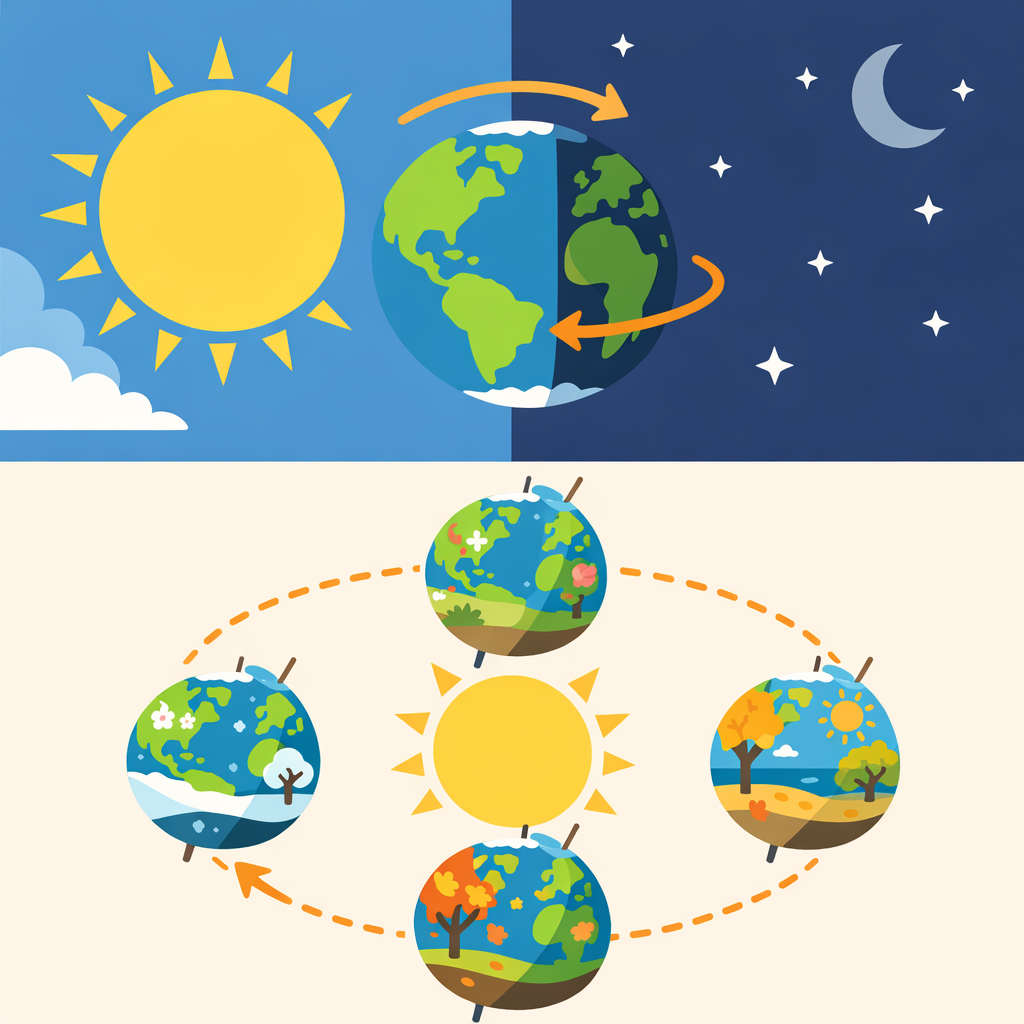
1-pager
Empathize
Empathize
Students will investigate how real people understand (and misunderstand) the Earth–Sun system by conducting structured interviews, documenting evidence, and creating empathy maps grounded in direct quotes. This research will anchor later problem definition and model design decisions.
Day 1
Define
Define
Students will synthesize interview data from real users into a focused, evidence-based problem definition that guides their Earth–Sun system prototype design. They will identify patterns across misconceptions about rotation, tilt, seasons, climate, water cycle, and scale, and craft a clear How Might We statement grounded in user quotes.
Day 2
Ideate
Ideate
Students will generate a wide range of user-centered solution ideas for explaining the Earth–Sun–Moon system, then narrow their thinking to 2–3 strong concepts grounded in real user needs and scientific accuracy. Teams will move from divergent brainstorming to evidence-based selection, producing annotated concept sketches that will guide rapid prototyping in the next phase.
Day 3
Prototype
Prototype
Students will build and refine testable Earth–Sun–Moon system prototypes grounded in user research, conduct structured peer testing, and document feedback-driven revisions in preparation for presenting to authentic users.
Day 4
45 min over capacity (45 min available across 1 day)
Empathize
Days 1–1
Day 1
🚀 Cosmic Journey Kickoff
Launch
10m
🎤 Interview Protocol Workshop
Knowledge/Skill Building
12m
🗣️ User Interviews on Seasons & Scale
Community Experience
15m
🧠 Earth–Sun Empathy Map
Deliverable
8m
Define
Days 2–2
Day 2
🧠 From Quotes to Insights
Knowledge/Skill Building
10m
🗂️ Affinity Map of Misconceptions
Deliverable
15m
👤 Persona & Point-of-View Draft
Deliverable
10m
❓ Crafting Earth–Sun HMW Questions
Knowledge/Skill Building
5m
📝 Problem Definition Statement
Assessment
5m
Ideate
Days 3–3
Day 3
⚡ 20 Ideas for Our HMW
Deliverable
15m
✏️ Crazy-8 Earth–Sun Sketches
Deliverable
10m
🧭 User-Needs Decision Matrix
Knowledge/Skill Building
10m
🗺️ Annotated Interaction Storyboards
Deliverable
10m
Prototype
Days 4–4
Day 4
🛠️ Rapid Earth–Sun Model Build
Project Work
25m
🌍 Peer User Test Protocol
Deliverable
20m
🔄 Prototype Revision Sprint
Project Work
25m
📝 Iteration Log & Scale Check
Deliverable
20m
Test/Present
Days 5–5
Day 5
🧪 Final User Test & Feedback Log
Community Experience
20m
🗣️ Design Story Rehearsal Round
Deliverable
10m
🌍 Astronomical Art Exhibit Presentation
Assessment
15m
June 2026
Mon
Tue
Wed
Thu
Fri
15
Day 1
Empathize
🚀 Cosmic Journey Kickoff
🎤 Interview Protocol Workshop
🗣️ User Interviews on Seasons & Scale
🧠 Earth–Sun Empathy Map
16
Day 2
Define
🧠 From Quotes to Insights
🗂️ Affinity Map of Misconceptions
👤 Persona & Point-of-View Draft
❓ Crafting Earth–Sun HMW Questions
📝 Problem Definition Statement
17
Day 3
Ideate
⚡ 20 Ideas for Our HMW
✏️ Crazy-8 Earth–Sun Sketches
🧭 User-Needs Decision Matrix
🗺️ Annotated Interaction Storyboards
18
Day 4
Prototype
🛠️ Rapid Earth–Sun Model Build
🌍 Peer User Test Protocol
🔄 Prototype Revision Sprint
📝 Iteration Log & Scale Check
19
Day 5
Test/Present
🧪 Final User Test & Feedback Log
🗣️ Design Story Rehearsal Round
🌍 Astronomical Art Exhibit Presentation