High School Grade
Project
4 weeks
Family Finder: Design Your Dream Hub!
Critical Thinking & Problem Solving
Content Expertise
Collaboration
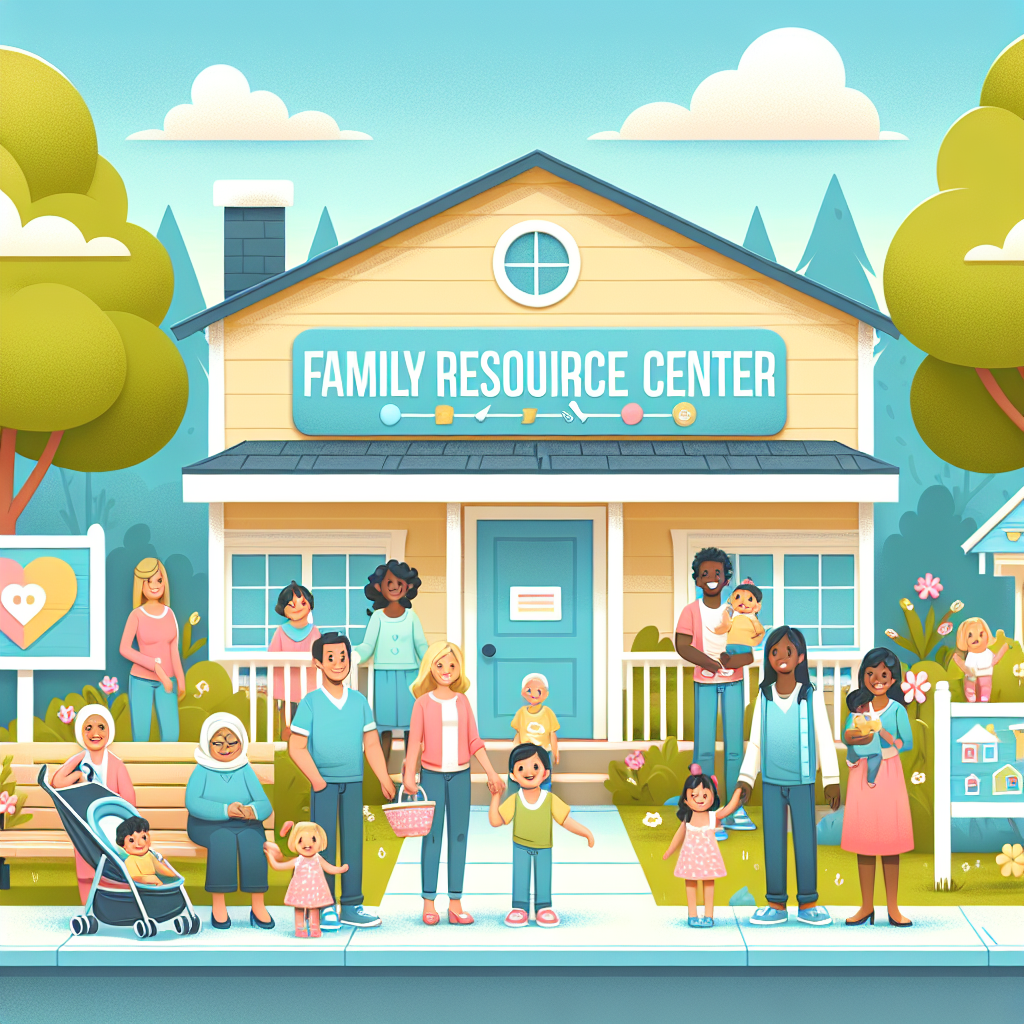
1-pager
No activities yet
Your plan has phases but no activities yet. Open By Phase to add activities to your phases.
Empathize
Empathize
Students will visit local family resource centers to observe and interact with community stakeholders, using empathy maps and guided reflections to capture insights that highlight the diverse needs and challenges faced by users.
Days 1 - 4
No activities have been added to this phase yet.
Define
Define
Students will analyze insights from their 'Field Expedition Adventure' and 'Community Makers Summit' to clearly articulate needs and design goals for the Family Resource Center, collaboratively developing a problem statement and design criteria that address the essential question of how architecture and design influence functionality and atmosphere.
Days 5 - 8
No activities have been added to this phase yet.
Ideate
Ideate
Students will collaboratively brainstorm diverse design concepts leveraging insights from field visits and workshops, developing preliminary layouts and features that address the essential question and prepare for prototyping.
Days 9 - 12
No activities have been added to this phase yet.
Prototype
Prototype
Students will create low-fidelity prototypes of their family resource center designs using cardboard and craft materials, allowing them to refine spatial layouts, receive peer and community partner feedback, and further evolve their ideas before the final testing phase.
Days 13 - 16
No activities have been added to this phase yet.
Test
Test
Students will present their interactive booth, VR tour, and 3D model to local architects, nonprofit leaders, and community members, gather constructive feedback on functionality and welcoming elements, and refine their designs based on this input to enhance service delivery and community connections within the proposed family resource centers.
Days 17 - 20
No activities have been added to this phase yet.
Empathize
Days 1–4
Day 1
Day 2
Day 3
Day 4
Define
Days 5–8
Day 5
Day 6
Day 7
Day 8
Ideate
Days 9–12
Day 9
Day 10
Day 11
Day 12
Prototype
Days 13–16
Day 13
Day 14
Day 15
Day 16
Test
Days 17–20
Day 17
Day 18
Day 19
Day 20
May 2026
Mon
Tue
Wed
Thu
Fri
4
Day 1
Empathize
5
Day 2
6
Day 3
7
Day 4
8
Day 5
Define
11
Day 6
12
Day 7
13
Day 8
14
Day 9
Ideate
15
Day 10
18
Day 11
19
Day 12
20
Day 13
Prototype
21
Day 14
22
Day 15
25
Day 16
26
Day 17
Test
27
Day 18
28
Day 19
29
Day 20