About Us Impact News Pricing Contact Us Explore
Make a copy
About Us Impact News Pricing Contact Us Explore
Tools
Project-Based Learning Performance Assessment Student-Led Conferences Digital Portfolios
HTH GSE Kaleidoscope
Personalize your design more by filling out the framework elements.
Designed by the Professional Learning team at the High Tech High Graduate School of Education.
Learn more
Essential Question
What question will guide the project and learning?
Community Partners
What organizations and individuals will collaborate and enhance the learning experience?
Reflection
What opportunities are there for us to reflect on our academic and socio-emotional development?
Assessment
In what ways can we demonstrate what we have learned and how we have grown?
Exhibition
How and who will we celebrate our learning with?
Project Launch
What shared experiences will engage us in the content, skills, and mindsets of the project?
Core Content
What will we need to learn and practice in order to engage in the project?
Critique and Revision
How will opportunities for feedback and refinement be embedded in the project?
Product
What will we make, build, or do that will have an impact on us or the world around us?
Next
What question will guide the project and learning?

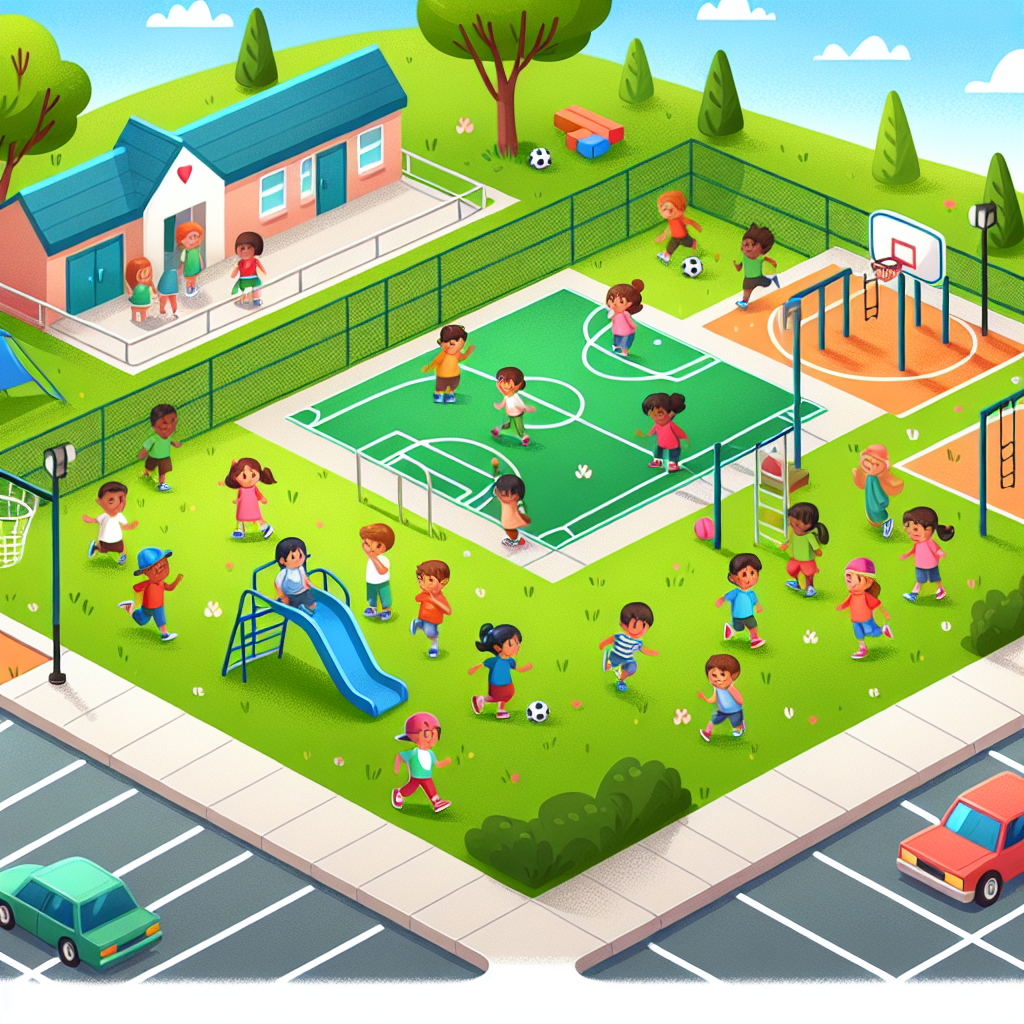
(1) How can we design an inclusive and sustainable outdoor play area that encourages physical activity and creativity?
(2) What features make a playground engaging and safe for all age groups, and how can we construct them using available resources?
(3) How can we involve our community in the development of an outdoor play area that reflects their needs and interests?

All grades  Project 4 weeks

Recess Oasis: Inclusive Play Paradise

Marijo P
Collaboration
Academic Mindset
Content Expertise
Critical Thinking & Problem Solving
Self Directed Learning
1-pager

Purpose

Over a four-week period, students from Kindergarten to 12th grade will collaboratively design and implement an engaging and sustainable outdoor play area that caters to diverse age groups and needs. The purpose of this project is to foster collaboration, critical thinking, and community involvement while providing tangible contributions to the students' environment. This hands-on experience encourages students to apply their content knowledge and develop a sense of place, belonging, and identity through active contribution to their community.

Learning goals

Students will collaboratively design an outdoor play area that encourages physical activity and fosters community engagement. Through this project, they will develop skills in teamwork, negotiation, and leadership as they work alongside peers and community members. They will apply their knowledge in creating solutions that balance aesthetic appeal, functionality, and safety for diverse age groups. This experience will enhance their critical thinking abilities as they navigate complex challenges, reflecting on feedback to refine their plans. Overall, students will deepen their understanding of how community-centered projects promote inclusivity and sustainability.
Competencies
  • Collaboration - Students co-design projects with peers, exercise shared-decision making, strengthen relational agency, resolve conflict, and assume leadership roles.
  • Academic Mindset - Students establish a sense of place, identity, and belonging to increase self-efficacy while engaging in critical reflection and action.
  • Content Expertise - Students develop key competencies, skills, and dispositions with ample opportunities to apply knowledge and engage in work that matters to them.
  • Critical Thinking & Problem Solving - Students consider a variety of innovative approaches to address and understand complex questions that are authentic and important to their communities.
  • Self Directed Learning - Students use teacher and peer feedback and self-reflection to monitor and direct their own learning while building self knowledge both in and out of the classroom.

Products

Students will collaboratively create a detailed blueprint and model of the proposed outdoor play area, incorporating design elements that promote safety, inclusivity, and sustainability. Throughout the project, students will document their process and reflections in a digital portfolio. As a final product, they will present their designs along with a proposal to community stakeholders, supported by research and data collected during site evaluations and surveys conducted with local families and businesses.

Launch

Kick off the project with an outdoor design challenge where students brainstorm playground features using large posters or interactive digital tools. Invite community stakeholders to share their needs and visions for a playground that celebrates diverse experiences, fostering immediate connections with the project. Encourage students to explore the greenspace, sketch potential layouts, and discuss creative ideas that accommodate varied interests and ages, highlighting collaboration and creativity from the start.

Exhibition

At the conclusion of the project, students will host a Design & Play Festival to unveil their co-designed outdoor play area. This event will feature guided tours led by student teams, showcasing different design elements and explaining the thought processes behind their creation. A presentation and Q&A session will allow students to share insights on collaboration, creativity, and problem-solving. Parents, local officials, and community members will participate in interactive activities, experiencing the playground firsthand and exploring its impact on promoting physical activity and community engagement.
Rubric
Competency Progression Rubric Competency-first rubric
Category
Learning Goal
Stage 1
Stage 2
Stage 3
Stage 4
Deeper Learning Competencies
Collaboration
  • I can actively contribute to my team's efforts in designing our playground by sharing my ideas during discussions and helping to make decisions that consider everyone's point of view
  • I can work cooperatively with others to resolve any disagreements constructively and take on a leadership role when needed to ensure our project moves forward smoothly.
  • I can contribute to group discussions and share my ideas with others, listening to my classmates and community members to understand different viewpoints
  • I help my team by taking turns, respecting everyone’s opinions, and working together to create a fun and safe playground design.
  • I can work effectively with my classmates to brainstorm and combine our ideas into a creative, shared vision for the playground
  • I actively listen to others, share my thoughts respectfully, and participate in making group decisions
  • I contribute by suggesting ways to include different perspectives, and I help resolve any disagreements so our team stays focused on delivering an exciting play area that meets everyone's needs.
  • I can work effectively with my peers to co-design our playground, actively listening to each person's ideas and incorporating them into our plan
  • I can take on different roles, such as a leader or a supporter, depending on what my team needs
  • I am able to solve conflicts calmly and make decisions together with my group, ensuring everyone's voice is heard and respected.
Deeper Learning Competencies
Academic Mindset
  • I can confidently share my ideas and listen to others during group discussions, helping us work together as a team to design a playground that everyone will enjoy
  • I feel proud when I see how my contributions make a difference in our project and community.
  • I can identify the needs and interests of my community and use this information to contribute ideas for the play area design, showing that I understand how to make spaces inclusive and welcoming for everyone.
  • I actively engage in teamwork and reflect on my ideas and actions, helping our group create a play area that makes everyone feel welcome and included
  • I confidently share my thoughts and listen to others, showing leadership when we make important decisions together.
  • I can confidently express my ideas and actively participate in designing a play area that represents my community's needs and interests
  • My group and I thoughtfully integrate feedback from peers, teachers, and community members to refine our creative plans, ensuring they are inclusive and engaging for everyone
  • I reflect on how my contributions enhance our project, strengthening my sense of belonging and pride in our collaborative achievements.
Deeper Learning Competencies
Content Expertise
  • I can apply my knowledge to co-create a detailed blueprint for the playground, showing awareness of safety, inclusivity, and sustainability by including features like diverse play equipment and accessible paths
  • I use data collected from surveys and site evaluations to support my design choices, showing that I understand how my work impacts my community.
  • I can show my growing understanding of designing a play area by including a mix of fun features and safety elements in my blueprint, using the ideas we discussed with classmates and community members
  • I can explain why each feature is important for different ages and how it helps everyone enjoy the space.
  • I can create detailed plans that show how my ideas make the playground safe and fun for everyone
  • I use my knowledge to choose designs and materials that are strong and good for the environment
  • I explain why my choices are important and how they help the playground work well for all ages and abilities.
  • I can apply my knowledge to create a detailed blueprint and model for the outdoor play area, making sure it is safe, inclusive, and sustainable
  • I use my research and data to support my design choices and confidently present my ideas to community members.
Deeper Learning Competencies
Critical Thinking & Problem Solving
  • I can analyze different playground design options by exploring and discussing creative ideas with my classmates, and I think of new ways to solve any challenges we encounter together.
  • I can contribute ideas and suggestions that help solve challenges during the design process, considering different perspectives and the needs of others
  • I use evidence and research from our community surveys to support my ideas, working with my team to come up with innovative and practical solutions.
  • I can create and compare different design ideas for our playground project, choosing the best options that solve real problems and make it fun and safe for everyone
  • I use information from my research and listen carefully to feedback to improve my designs.
  • I can creatively explore different ideas to design an outdoor play area that is fun, safe, and includes everyone's needs
  • I thoughtfully gather and use information from surveys and site evaluations to make smart and innovative decisions in my design
  • I use feedback to improve my ideas and explain how my design benefits the community and makes it a better place for everyone.
Deeper Learning Competencies
Self Directed Learning
  • I can use feedback from my teacher and classmates to keep track of my learning and make changes to improve my work
  • I can think about what I’ve done so far and what I can do next to reach my goal.
  • I can identify when I need help and know how to ask questions to get feedback from my classmates or teacher
  • I can use this feedback to make changes to my design ideas and improve my project.
  • I can actively seek feedback and reflect on my work to make improvements, using my observations and suggestions from my peers and teacher
  • I plan my tasks and set goals to ensure I am progressing in my design challenge, checking in with myself to see how my ideas are coming along and making adjustments as needed to create the best playground design.
  • I can effectively use feedback from my teacher and peers to refine my designs and ideas for the outdoor play area
  • I actively reflect on my learning process, setting goals to improve my work and make thoughtful choices that enhance the community space
  • I demonstrate the ability to work independently, managing my tasks and timelines to contribute meaningfully to our group project.
Learning Journey
Empathize
Students will gather insights through interviews and surveys with peers and community members to understand diverse needs for an inclusive and sustainable playground, setting the foundation for defining design criteria in the next phase.
Days 1 - 4
Milestone Activities
No activities have been added to this phase yet.

Edit Phase

Loading...
Define
Students will analyze community survey data with their peers and synthesize insights to define specific design requirements that address identified needs for inclusivity and sustainability in the playground project.
Days 5 - 8
Milestone Activities
No activities have been added to this phase yet.

Edit Phase

Loading...
Ideate
Students will work in diverse teams to brainstorm and sketch a variety of innovative and inclusive playground concepts, focusing on themes of sustainability and community impact, and use feedback from peers and community partners to refine their ideas in preparation for prototype development in the next phase.
Days 9 - 12
Milestone Activities
No activities have been added to this phase yet.

Edit Phase

Loading...
Prototype
Students will construct low-fidelity prototypes of their playground designs using available materials, present mock-ups to peers and teachers for feedback, and refine their ideas to ensure inclusivity and sustainability, preparing for the upcoming test phase.
Days 13 - 16
Milestone Activities
No activities have been added to this phase yet.

Edit Phase

Loading...
Test
Students will present their playground prototypes to peers, community members, and mentors in a feedback session, gather and analyze the input received, and refine their designs based on the diverse perspectives to ensure the final product meets user needs for inclusivity and sustainability.
Days 17 - 20
Milestone Activities
No activities have been added to this phase yet.

Edit Phase

Loading...
Plan

No activities yet

Your Learning Journey has phases but no activities. Go to the Learning Journey tab to add activities to your phases.

Week 1
Day 1
Day 2
Day 3
Day 4
Day 5
Phase
Empathize
Define
Activities
No activities added
No activities added
No activities added
No activities added
No activities added
Preparation
Week 2
Day 6
Day 7
Day 8
Day 9
Day 10
Phase
Define
Ideate
Activities
No activities added
No activities added
No activities added
No activities added
No activities added
Preparation
Week 3
Day 11
Day 12
Day 13
Day 14
Day 15
Phase
Ideate
Prototype
Activities
No activities added
No activities added
No activities added
No activities added
No activities added
Preparation
Week 4
Day 16
Day 17
Day 18
Day 19
Day 20
Phase
Prototype
Test
Activities
No activities added
No activities added
No activities added
No activities added
No activities added
Preparation
Share
Loading
Loading
Get it on Google Play
© 2026 Inkwire Inc
Contact Us Privacy Policy Terms of Service