8th Grade  Project 8 weeks

Build a Better Tomorrow: Inclusive Community Model

Rodrick S
6-8.AF.2.1
Self Directed Learning
1-pager

Purpose

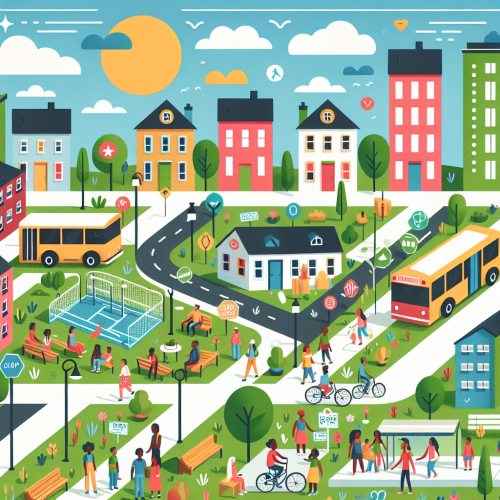
This project aims to engage students in the design and construction of an architectural model that addresses social class inequities by integrating affordable housing, accessible transportation, and green spaces. Through hands-on activities and research, students will explore real-world applications of inclusive community planning while developing problem-solving skills and civic awareness. The project fosters creativity and self-directed learning, encouraging students to reflect on their progress and collaborate with peers and community partners to enhance their understanding of equitable urban development.

Learning goals

Students will develop skills in critical thinking and problem-solving by designing and constructing architectural models that address social class inequities. They will enhance their research abilities through the analysis of case studies and engage in self-directed learning by utilizing feedback to refine their models. Additionally, students will gain a deeper understanding of civic awareness and urban planning principles through workshops with community partners and virtual explorations of innovative cities.
Standards
  • [Next Generation Science Standards] 6-8.AF.2.1 - Evaluate limitations of a model for a proposed object or tool.
Competencies
  • Self Directed Learning - Students use teacher and peer feedback and self-reflection to monitor and direct their own learning while building self knowledge both in and out of the classroom.

Products

Students will design and construct detailed architectural models of inclusive communities, integrating affordable housing, accessible transportation, and green spaces to enhance residents' quality of life. They will also produce multimedia presentations showcasing their research on successful inclusive communities, featuring case studies and interviews with city planners. Additionally, students will develop interactive digital maps of their community models, allowing visitors to explore various features through guided tours during the 'Model Expo.'

Launch

Begin the project with a 'Virtual Reality City Exploration' session where students immerse themselves in virtual models of innovative cities worldwide. This experience will allow them to analyze how these cities address social class inequities, focusing on elements like affordable housing, transportation, and green spaces. Students will then discuss their observations and brainstorm ideas to incorporate these insights into their own community designs, setting the stage for their architectural model project.

Exhibition

Students will transform the school gymnasium into a dynamic 'Model Expo' where they showcase their architectural models of inclusive communities. Each student will set up an interactive station featuring their model, multimedia presentations, and guided tours that explain the functionality and benefits of their design. Attendees, including community partners and city planners, will explore the digital maps and engage with students to learn about the innovative solutions proposed for addressing social class inequities.