All grades  Project 12 weeks

"Shorebirds in Peril: Nest Quest"

Suzanne A
HS-LS4-5
HS-LS4-5
HS-ESS3-5
1-pager

Purpose

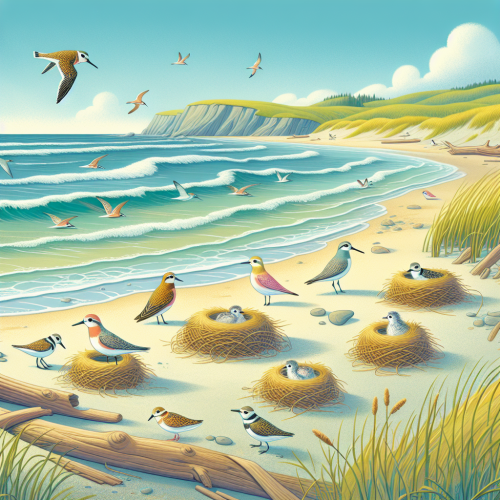
The purpose of this project is to engage students in understanding the impact of climate change on endangered shore birds' nesting habitats, specifically in San Diego. Through a new project launch with a field trip to Birch Aquarium, hands-on activities, and collaboration with community partners, students will explore the interconnectedness of ecosystems, conservation efforts, and the effects of rising ocean levels. The project aims to foster critical thinking and scientific inquiry as students analyze data, develop climate models, and present their findings, while also reflecting on the broader implications for both wildlife and human communities.

Learning goals

Students will investigate the impact of climate change on coastal ecosystems, focusing on endangered shore birds, and develop skills in scientific research and data analysis. They will engage with community partners to gather real-world insights and apply this knowledge to create evidence-based forecasts and conservation strategies. Through hands-on experiences, students will enhance their understanding of biodiversity, food webs, and the interconnections between human activities and environmental changes. By reflecting on their findings, students will deepen their critical thinking and communication skills, preparing them to present their work effectively. The project launch will include a field trip to Birch Aquarium, where students will meet experts and gain firsthand knowledge of climate change impacts on ocean temperatures and shore birds.
Standards
  • [Next Generation Science Standards] HS-LS4-5 - Evaluate the evidence supporting claims that changes in environmental conditions may result in: (1) increases in the number of individuals of some species, (2) the emergence of new species over time, and (3) the extinction of other species.
  • [Next Generation Science Standards] HS-LS4-5 - Evaluate the evidence supporting claims that changes in environmental conditions may result in: (1) increases in the number of individuals of some species, (2) the emergence of new species over time, and (3) the extinction of other species.
  • [Next Generation Science Standards] HS-ESS3-5 - Analyze geoscience data and the results from global climate models to make an evidence-based forecast of the current rate of global or regional climate change and associated future impacts to Earth systems.

Products

Students will create a comprehensive literature review research article, synthesizing information on the effects of climate change on endangered shore birds. They will also develop visually engaging posters or digital models that present data on bird populations over time, integrating climate change models to illustrate potential future impacts. These products will be showcased during the exhibition, demonstrating students' understanding and ability to communicate complex scientific concepts effectively. The project will launch with a field trip to Birch Aquarium, where students will meet experts to gain insights into climate change's impact on ocean temperatures and shore birds, setting a strong foundation for their research and product development.

Launch

Kick off the project with a field trip to Birch Aquarium, where students will meet with climate change experts to explore the effects of rising ocean temperatures on shore birds. This engaging experience will provide students with a firsthand look at the challenges faced by these birds and the broader impacts of climate change on coastal ecosystems. Through interactive sessions and guided tours, students will connect with the essential question and set the stage for their research and projects.

Exhibition

Students will present their findings and models at a community exhibition, showcasing their research articles, data posters, and climate change models. The event will be held at a local community center or school auditorium, inviting family members, community partners, and local environmental organizations. Interactive stations will allow guests to engage with digital models and ask students questions about their research. This exhibition will also feature a panel discussion with students and community experts, facilitating dialogue on the impacts of climate change on local ecosystems and endangered species. The exhibition will kick off with a presentation by students sharing insights from their field trip to Birch Aquarium, highlighting the real-world implications of their studies.