All grades  Project 4 weeks

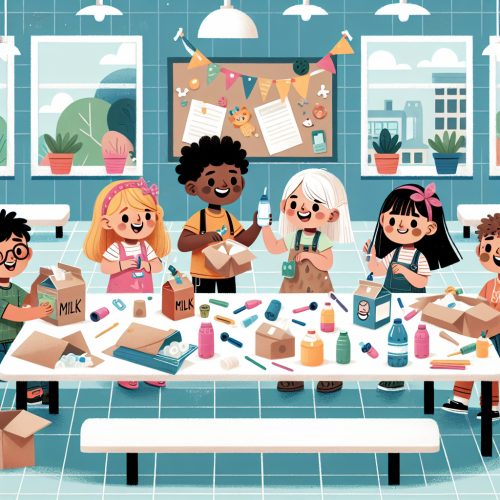
Trash to Treasure: Cafeteria Craft Challenge

Gayden S
5-ESS3-1
D4.7.3-5
5-LS2-1
Self Directed Learning
Academic Mindset
+ 1 more
1-pager

Purpose

Students will engage in a hands-on project to explore and address the environmental impact of cafeteria waste. By collaborating with local recycling and landfill experts, students will gain insights into waste management and develop innovative solutions to repurpose common trash items. This project will foster critical thinking, creativity, and community involvement, empowering students to contribute to sustainable practices and environmental stewardship. Through self-directed learning and reflection, students will enhance their understanding of ecological systems and their role in protecting Earth's resources.

Learning goals

Students will investigate and analyze the waste generated in the school cafeteria, collaborating with local recycling and landfill experts to understand community waste management strategies. They will engage in creative problem-solving to design and construct innovative products from common waste items, enhancing their understanding of material cycles and environmental impact. Through self-directed learning and critical reflection, students will develop a sense of responsibility and belonging, fostering an academic mindset that encourages active participation in addressing local environmental challenges.
Standards
  • [Next Generation Science Standards] 5-ESS3-1 - Obtain and combine information about ways individual communities use science ideas to protect the Earth's resources and environment.
  • [National Council for the Social Studies] D4.7.3-5 - Explain different strategies and approaches students and others could take in working alone and together to address local, regional, and global problems, and predict possible results of their actions.
  • [Next Generation Science Standards] 5-LS2-1 - Develop a model to describe the movement of matter among plants, animals, decomposers, and the environment.
Competencies
  • Self Directed Learning - Students use teacher and peer feedback and self-reflection to monitor and direct their own learning while building self knowledge both in and out of the classroom.
  • Academic Mindset - Students establish a sense of place, identity, and belonging to increase self-efficacy while engaging in critical reflection and action.
  • Critical Thinking & Problem Solving - Students consider a variety of innovative approaches to address and understand complex questions that are authentic and important to their communities.

Products

Students will create a comprehensive plan to reduce cafeteria waste, including innovative prototypes of repurposed items made from common trash materials. These products will be showcased in a community exhibition, highlighting the students' creative solutions and their impact on reducing landfill contributions. Additionally, students will develop informational materials to educate peers and the community on sustainable practices and the importance of recycling and repurposing waste.

Launch

Begin the project with a "Trash Audit Day" where students collaborate to collect and categorize waste from the cafeteria. Invite a local recycling expert from the city or county to discuss the journey of trash and its environmental impact. Facilitate a brainstorming session where students identify patterns in the waste and propose initial ideas for repurposing common items. This immersive experience sets the stage for students to engage critically with the essential questions and inspires them to take ownership of their learning journey.

Exhibition

Students will host a "Trash to Treasure" showcase, inviting community members, including representatives from Honolulu's recycling and landfill departments, to view their innovative repurposed creations. Each student group will present their projects, explaining their design process, the materials used, and the environmental impact of their solutions. The exhibition will also feature interactive stations where attendees can learn about waste reduction strategies and participate in hands-on activities to create their own upcycled items. This event will not only highlight students' creativity and problem-solving skills but also foster community engagement and awareness about sustainable practices.