About Us Impact News Pricing Contact Us Explore
Make a copy
About Us Impact News Pricing Contact Us Explore
Tools
Project-Based Learning Performance Assessment Student-Led Conferences Digital Portfolios
Framework
Loading
Loading
3rd Grade  Project 8 weeks

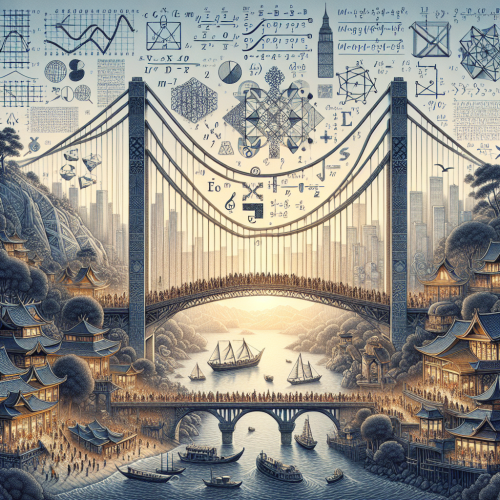
Bridges Uncovered: Connecting Math, Culture, and Economy

Gill D
Jan 4, 2025
Updated Jul 31, 2025
CCSS.Math.Content.3.G.A.2
CCSS.Math.Content.3.MD.A.1
CCSS.Math.Content.3.G.A.1
CH.3.3.1
CH.3.3.2
+ 19 more
1-pager

Purpose

The purpose of this project is to engage third-grade students in a multidisciplinary exploration of bridges, integrating world geography, mathematics, engineering, cultural studies, economics, and language arts. By creating an informational book about bridges, students will develop a deeper understanding of the role bridges play in connecting communities and economies, as well as the mathematical and engineering principles involved in their design. Through collaboration with community partners and hands-on activities, students will enhance their problem-solving, communication, and critical thinking skills. The project aims to foster an appreciation for cultural diversity and the impact of infrastructure on daily life, culminating in a published book that can be shared with the community.

Learning goals

In this project, third-grade students will explore the multifaceted role of bridges in society by creating an informational book. They will delve into world geography, mathematics, engineering, cultures, and economics. Students will learn to identify and categorize geometric shapes found in bridge designs, understanding their contribution to structural integrity. They will investigate the cultural and historical significance of bridges globally, reflecting on their economic and daily life impacts. Through mathematical problem-solving, students will measure and calculate time intervals in bridge construction, enhancing their understanding of planning and logistics. Collaboration with community partners will provide real-world insights into bridge design, cultural heritage, and urban planning. Students will develop communication skills through peer reviews and presentations, fostering an appreciation for diversity and the global impact of bridges. These activities align with standards in geometry, mathematics, cultural awareness, and communication, ensuring a comprehensive learning experience.
Standards
  • CCSS.Math.Content.3.G.A.2 - Partition shapes into parts with equal areas. Express the area of each part as a unit fraction of the whole.
  • CCSS.Math.Content.3.MD.A.1 - Tell and write time to the nearest minute and measure time intervals in minutes. Solve word problems involving addition and subtraction of time intervals in minutes, e.g., by representing the problem on a number line diagram.
  • CCSS.Math.Content.3.G.A.1 - Understand that shapes in different categories (e.g., rhombuses, rectangles, and others) may share attributes (e.g., having four sides), and that the shared attributes can define a larger category (e.g., quadrilaterals). Recognize rhombuses, rectangles, and squares as examples of quadrilaterals, and draw examples of quadrilaterals that do not belong to any of these subcategories.
  • CCSS.Math.Content.3.G.A.2 - Partition shapes into parts with equal areas. Express the area of each part as a unit fraction of the whole.
  • CCSS.Math.Content.3.MD.A.1 - Tell and write time to the nearest minute and measure time intervals in minutes. Solve word problems involving addition and subtraction of time intervals in minutes, e.g., by representing the problem on a number line diagram.
  • CCSS.Math.Content.3.G.A.1 - Understand that shapes in different categories (e.g., rhombuses, rectangles, and others) may share attributes (e.g., having four sides), and that the shared attributes can define a larger category (e.g., quadrilaterals). Recognize rhombuses, rectangles, and squares as examples of quadrilaterals, and draw examples of quadrilaterals that do not belong to any of these subcategories.
  • CH.3.3.1 - Utilize knowledge and skills to treat self and others with care and respect.
  • CH.3.3.2 - Demonstrate interpersonal communication skills to support positive interactions with families, peers, and others.
  • CCSS.Math.Content.3.G.A.2 - Partition shapes into parts with equal areas. Express the area of each part as a unit fraction of the whole.
  • CCSS.Math.Content.3.MD.A.1 - Tell and write time to the nearest minute and measure time intervals in minutes. Solve word problems involving addition and subtraction of time intervals in minutes, e.g., by representing the problem on a number line diagram.
  • CCSS.Math.Content.3.G.A.1 - Understand that shapes in different categories (e.g., rhombuses, rectangles, and others) may share attributes (e.g., having four sides), and that the shared attributes can define a larger category (e.g., quadrilaterals). Recognize rhombuses, rectangles, and squares as examples of quadrilaterals, and draw examples of quadrilaterals that do not belong to any of these subcategories.
  • CH.3.3.1 - Utilize knowledge and skills to treat self and others with care and respect.
  • CH.3.3.2 - Demonstrate interpersonal communication skills to support positive interactions with families, peers, and others.
  • 3-5.AG.1.1 - Similarities and differences in patterns can be used to sort, classify, communicate and analyze simple rates of change for natural phenomena and designed products.
  • 3-5.AG.1.2 - Patterns of change can be used to make predictions.
  • 3-5.AG.1.3 - Patterns can be used as evidence to support an explanation.
  • CCSS.Math.Content.3.G.A.2 - Partition shapes into parts with equal areas. Express the area of each part as a unit fraction of the whole.
  • CCSS.Math.Content.3.MD.A.1 - Tell and write time to the nearest minute and measure time intervals in minutes. Solve word problems involving addition and subtraction of time intervals in minutes, e.g., by representing the problem on a number line diagram.
  • CCSS.Math.Content.3.G.A.1 - Understand that shapes in different categories (e.g., rhombuses, rectangles, and others) may share attributes (e.g., having four sides), and that the shared attributes can define a larger category (e.g., quadrilaterals). Recognize rhombuses, rectangles, and squares as examples of quadrilaterals, and draw examples of quadrilaterals that do not belong to any of these subcategories.
  • CH.3.3.1 - Utilize knowledge and skills to treat self and others with care and respect.
  • CH.3.3.2 - Demonstrate interpersonal communication skills to support positive interactions with families, peers, and others.
  • 3-5.AG.1.1 - Similarities and differences in patterns can be used to sort, classify, communicate and analyze simple rates of change for natural phenomena and designed products.
  • 3-5.AG.1.2 - Patterns of change can be used to make predictions.
  • 3-5.AG.1.3 - Patterns can be used as evidence to support an explanation.
  • WL.AL.4.2 - Reflect on the significance of the similarities and differences between the target culture(s) and the student's own culture.
  • WL.IH.1.1 - Participate in spontaneous spoken, written or signed conversations on familiar topics, creating sentences and series of sentences to ask and answer a variety of questions (interpersonal mode).
  • CCSS.Math.Content.3.G.A.2 - Partition shapes into parts with equal areas. Express the area of each part as a unit fraction of the whole.
  • CCSS.Math.Content.3.MD.A.1 - Tell and write time to the nearest minute and measure time intervals in minutes. Solve word problems involving addition and subtraction of time intervals in minutes, e.g., by representing the problem on a number line diagram.
  • CCSS.Math.Content.3.G.A.1 - Understand that shapes in different categories (e.g., rhombuses, rectangles, and others) may share attributes (e.g., having four sides), and that the shared attributes can define a larger category (e.g., quadrilaterals). Recognize rhombuses, rectangles, and squares as examples of quadrilaterals, and draw examples of quadrilaterals that do not belong to any of these subcategories.
  • CH.3.3.1 - Utilize knowledge and skills to treat self and others with care and respect.
  • CH.3.3.2 - Demonstrate interpersonal communication skills to support positive interactions with families, peers, and others.
  • 3-5.AG.1.1 - Similarities and differences in patterns can be used to sort, classify, communicate and analyze simple rates of change for natural phenomena and designed products.
  • 3-5.AG.1.2 - Patterns of change can be used to make predictions.
  • 3-5.AG.1.3 - Patterns can be used as evidence to support an explanation.
  • WL.AL.4.2 - Reflect on the significance of the similarities and differences between the target culture(s) and the student's own culture.
  • WL.IH.1.1 - Participate in spontaneous spoken, written or signed conversations on familiar topics, creating sentences and series of sentences to ask and answer a variety of questions (interpersonal mode).
  • CT.1 - Engage in critical reading and communicating of technical information
  • CT.2 - Develop claims and use evidence to form arguments
  • CCSS.Math.Content.3.G.A.2 - Partition shapes into parts with equal areas. Express the area of each part as a unit fraction of the whole.
  • CCSS.Math.Content.3.MD.A.1 - Tell and write time to the nearest minute and measure time intervals in minutes. Solve word problems involving addition and subtraction of time intervals in minutes, e.g., by representing the problem on a number line diagram.
  • CCSS.Math.Content.3.G.A.1 - Understand that shapes in different categories (e.g., rhombuses, rectangles, and others) may share attributes (e.g., having four sides), and that the shared attributes can define a larger category (e.g., quadrilaterals). Recognize rhombuses, rectangles, and squares as examples of quadrilaterals, and draw examples of quadrilaterals that do not belong to any of these subcategories.
  • CH.3.3.1 - Utilize knowledge and skills to treat self and others with care and respect.
  • CH.3.3.2 - Demonstrate interpersonal communication skills to support positive interactions with families, peers, and others.
  • 3-5.AG.1.1 - Similarities and differences in patterns can be used to sort, classify, communicate and analyze simple rates of change for natural phenomena and designed products.
  • 3-5.AG.1.2 - Patterns of change can be used to make predictions.
  • 3-5.AG.1.3 - Patterns can be used as evidence to support an explanation.
  • WL.AL.4.2 - Reflect on the significance of the similarities and differences between the target culture(s) and the student's own culture.
  • WL.IH.1.1 - Participate in spontaneous spoken, written or signed conversations on familiar topics, creating sentences and series of sentences to ask and answer a variety of questions (interpersonal mode).
  • CT.1 - Engage in critical reading and communicating of technical information
  • CT.2 - Develop claims and use evidence to form arguments
  • CCSS.ELA-Literacy.CCRA.L.1 - Demonstrate command of the conventions of standard English grammar and usage when writing or speaking.
  • CCSS.ELA-Literacy.CCRA.L.2 - Demonstrate command of the conventions of standard English capitalization, punctuation, and spelling when writing.
  • CCSS.ELA-Literacy.CCRA.L.3 - Apply knowledge of language to understand how language functions in different contexts, to make effective choices for meaning or style, and to comprehend more fully when reading or listening.
  • CCSS.ELA-Literacy.CCRA.L.4 - Determine or clarify the meaning of unknown and multiple-meaning words and phrases by using context clues, analyzing meaningful word parts, and consulting general and specialized reference materials, as appropriate.
  • CCSS.ELA-Literacy.CCRA.L.6 - Acquire and use accurately a range of general academic and domain-specific words and phrases sufficient for reading, writing, speaking, and listening at the college and career readiness level; demonstrate independence in gathering vocabulary knowledge when encountering an unknown term important to comprehension or expression.
  • CCSS.ELA-Literacy.CCRA.R.2 - Determine central ideas or themes of a text and analyze their development; summarize the key supporting details and ideas.
  • CCSS.ELA-Literacy.CCRA.R.5 - Analyze the structure of texts, including how specific sentences, paragraphs, and larger portions of the text (e.g., a section, chapter, scene, or stanza) relate to each other and the whole.
  • CCSS.ELA-Literacy.CCRA.SL.1 - Prepare for and participate effectively in a range of conversations and collaborations with diverse partners, building on others' ideas and expressing their own clearly and persuasively.
  • CCSS.ELA-Literacy.CCRA.SL.4 - Present information, findings, and supporting evidence such that listeners can follow the line of reasoning and the organization, development, and style are appropriate to task, purpose, and audience.
  • CCSS.ELA-Literacy.CCRA.SL.5 - Make strategic use of digital media and visual displays of data to express information and enhance understanding of presentations.
  • CCSS.ELA-Literacy.CCRA.W.1 - Write arguments to support claims in an analysis of substantive topics or texts, using valid reasoning and relevant and sufficient evidence.
  • CCSS.ELA-Literacy.CCRA.W.3 - Write narratives to develop real or imagined experiences or events using effective technique, well-chosen details, and well-structured event sequences.

Products

In this project, third-grade students will collaboratively create an informational book about bridges, incorporating their research and findings on the cultural, historical, and economic significance of bridges worldwide. They will design and construct simple bridge models using everyday materials, applying their understanding of geometry and engineering principles. Students will also participate in a 'Bridge Expo,' where they will present their books and models to peers, teachers, and community members, demonstrating their knowledge of mathematical patterns, cultural insights, and the role of bridges in urban planning and infrastructure. Additionally, they will engage in a peer review process to refine their work and reflect on their learning journey.

Launch

To launch the project, organize a "Bridge Builder's Day" where students engage in a hands-on workshop to construct simple bridges using everyday materials like popsicle sticks and rubber bands. Invite a local engineer to guide the activity, introducing basic engineering principles and sparking curiosity about bridge design. Additionally, host a "Cultural Bridge Walk" by organizing a virtual tour of famous bridges around the world using digital media. Highlight the economic, cultural, and historical significance of each bridge, encouraging students to reflect on how these structures connect communities, economies, and cultures. These activities will inspire students and set the stage for their exploration of bridges in the project.

Exhibition

To celebrate and share the students' learning, organize a "Bridge Expo and Cultural Fair." This event will allow students to display their informational books, showcasing their understanding of the cultural, historical, and economic significance of bridges worldwide. Set up interactive stations where students can demonstrate their knowledge of geometry by creating bridge models using everyday materials. Invite community partners, such as local engineers and cultural historians, to participate in a panel discussion, providing insights into the global impact of bridges. Encourage students to present their findings and reflections, highlighting the diverse cultural narratives associated with bridges and their role in economic growth and community connection. This exhibition will not only celebrate the students' achievements but also engage the wider community in appreciating the importance of bridges in our world.
Rubric
Plan
By Phase By Day Calendar
Project Activities
Days 1 - 16
Activity 1: Introduction to Bridges
Activity
Activity 1: Introduction to Bridges
Activity
Activity 1: Introduction to the Project
Activity
Activity 2: Storytelling Session
Activity
Activity 2: Bridge Builder's Day
Activity
Activity 2: Bridge Builder's Day
Activity
Activity 3: Cultural Bridge Walk
Activity
Activity 1: Bridge History Exploration
Activity
Activity 1: Geometric Exploration
Activity
Activity 3: Hands-On Bridge Building Workshop
Activity
Activity 1: Geometry Deep Dive
Activity
Activity 3: Geometry Exploration
Activity
Activity 2: Math and Measurement
Activity
Activity 4: Cultural and Historical Context
Activity
Activity 2: Geographic Exploration
Activity
Activity 2: Math in Bridge Construction
Activity
Activity 4: Geometry in Bridges
Activity
Activity 4: Virtual Cultural Bridge Walk
Activity
Activity 1: Bridge Design Workshop
Activity
Activity 1: Bridge Design Challenge
Activity
Activity 1: Bridge Design Principles
Activity
Activity 3: Cultural Significance Discussion
Activity
Activity 3: Cultural Significance
Activity
Activity 5: Research Skills Development
Activity
Activity 5: Reflection and Discussion
Activity
Activity 3: Cultural Research
Activity
Activity 5: Reflection and Journal Entry
Activity
Activity 2: Bridge Model Construction
Activity
Activity 4: Collaborative Group Work
Activity
Activity 2: Mathematical Patterns Exploration
Activity
Activity 2: World Geography and Bridges
Activity
Activity 4: Mathematical Problem-Solving
Activity
Activity 4: Bridge Model Refinement
Activity
Activity 1: Bridge Material Science
Activity
Activity 3: Bridge Economics
Activity
Activity 5: Reflection and Presentation Preparation
Activity
Activity 3: Cultural Storytelling Session
Activity
Activity 1: Engineering Challenge
Activity
Activity 5: Research Progress Check
Activity
Activity 1: Advanced Geometry in Bridges
Activity
Activity 3: Cultural Impact Analysis
Activity
Activity 5: Reflection and Sharing
Activity
Activity 2: Bridge Engineering Challenges
Activity
Activity 2: Bridge Model Finalization
Activity
Activity 4: Economic Impact Analysis
Activity
Activity 4: Creative Writing
Activity
Activity 2: Hands-On Material Testing
Activity
Activity 4: Economic Influence
Activity
Activity 3: Writing Workshop
Activity
Activity 3: Cultural Exchange Session
Activity
Activity 5: Reflection and Presentation
Activity
Activity 1: Bridge Design Refinement
Activity
Activity 5: Reflection and Peer Review
Activity
Activity 5: Collaborative Review Session
Activity
Activity 1: Bridge Aesthetics and Design
Activity
Activity 3: Cultural Connections
Activity
Activity 1: Introduction to Editing
Activity
Activity 4: Peer Review of Written Work
Activity
Activity 2: Engineering Concepts Deep Dive
Activity
Activity 4: Mathematical Calculations
Activity
Activity 2: Collaborative Editing Session
Activity
Activity 4: Mathematical Modeling
Activity
Activity 2: Art and Bridges
Activity
Activity 1: Book Content Planning
Activity
Activity 1: Advanced Editing Techniques
Activity
Activity 1: Introduction to Bridge Engineering Software
Activity
Activity 5: Reflection and Documentation
Activity
Activity 5: Layout Design Introduction
Activity
Activity 3: Cultural Presentation Preparation
Activity
Activity 3: Visual Illustration Workshop
Activity
Activity 5: Reflection and Group Discussion
Activity
Activity 3: Storytelling through Bridges
Activity
Activity 4: Peer Review and Feedback Session
Activity
Activity 2: Writing Workshop
Activity
Activity 4: Bridge Safety and Maintenance
Activity
Activity 2: Virtual Bridge Tour
Activity
Activity 4: Research Enhancement
Activity
Activity 2: Peer Feedback Session
Activity
Activity 5: Book Layout Refinement
Activity
Activity 5: Reflection and Group Sharing
Activity
Activity 3: Layout Design Exploration
Activity
Activity 1: Final Book Compilation
Activity
Activity 3: Integration of Visuals
Activity
Activity 1: Book Layout Finalization
Activity
Activity 5: Reflection and Goal Setting
Activity
Activity 3: Collaborative Bridge Design
Activity
Activity 1: Bridge Impact Analysis
Activity
Activity 2: Content Completion
Activity
Activity 4: Collaborative Editing Session
Activity
Activity 4: Final Research Presentation
Activity
Activity 4: Mathematical Analysis of Designs
Activity
Activity 2: Community Partner Workshop
Activity
Activity 2: Proofreading and Quality Assurance
Activity
Activity 1: Book Compilation
Activity
Activity 5: Reflection and Progress Check
Activity
Activity 3: Peer Review and Feedback
Activity
Activity 1: Final Bridge Expo Preparations
Activity
Activity 3: Interactive Debate
Activity
Activity 5: Publishing Workshop
Activity
Activity 3: Book Cover Design
Activity
Activity 1: Final Book Review
Activity
Activity 5: Reflection and Software Feedback
Activity
Activity 2: Publishing Preparation
Activity
Activity 2: Final Bridge Model Presentation
Activity
Activity 4: Editing and Polishing
Activity
Activity 2: Bridge Expo Event
Activity
Activity 4: Preparation for Bridge Expo
Activity
Activity 4: Multimedia Presentation Creation
Activity
Activity 3: Bridge Expo and Cultural Fair Rehearsal
Activity
Activity 5: Reflection and Preparation for Publishing
Activity
Activity 5: Reflection and Peer Feedback
Activity
Activity 5: Rehearsal and Feedback Session
Activity
Activity 3: Reflection and Feedback Session
Activity
Activity 3: Bridge Expo and Cultural Fair Preparation
Activity
Activity 4: Peer Review and Editing
Activity
Activity 4: Project Debrief and Celebration
Activity
Activity 4: Set Up for Exhibition
Activity
Activity 5: Reflection and Celebration
Activity
Activity 5: Documentation and Sharing
Activity
Activity 5: Reflection and Celebration
Activity
No activities have been added to this phase yet.

Edit Phase

Loading...
Project Activities Days 1–16
Day 1
Activity 1: Introduction to Bridges
Activity
Activity 1: Introduction to Bridges
Activity
Activity 1: Introduction to the Project
Activity
Day 2
Activity 2: Storytelling Session
Activity
Activity 2: Bridge Builder's Day
Activity
Activity 2: Bridge Builder's Day
Activity
Day 3
Activity 3: Cultural Bridge Walk
Activity
Activity 1: Bridge History Exploration
Activity
Activity 1: Geometric Exploration
Activity
Activity 3: Hands-On Bridge Building Workshop
Activity
Activity 1: Geometry Deep Dive
Activity
Activity 3: Geometry Exploration
Activity
Day 4
Activity 2: Math and Measurement
Activity
Activity 4: Cultural and Historical Context
Activity
Activity 2: Geographic Exploration
Activity
Activity 2: Math in Bridge Construction
Activity
Activity 4: Geometry in Bridges
Activity
Activity 4: Virtual Cultural Bridge Walk
Activity
Day 5
Activity 1: Bridge Design Workshop
Activity
Activity 1: Bridge Design Challenge
Activity
Activity 1: Bridge Design Principles
Activity
Activity 3: Cultural Significance Discussion
Activity
Activity 3: Cultural Significance
Activity
Activity 5: Research Skills Development
Activity
Activity 5: Reflection and Discussion
Activity
Activity 3: Cultural Research
Activity
Activity 5: Reflection and Journal Entry
Activity
Day 6
Activity 2: Bridge Model Construction
Activity
Activity 4: Collaborative Group Work
Activity
Activity 2: Mathematical Patterns Exploration
Activity
Activity 2: World Geography and Bridges
Activity
Activity 4: Mathematical Problem-Solving
Activity
Activity 4: Bridge Model Refinement
Activity
Day 7
Activity 1: Bridge Material Science
Activity
Activity 3: Bridge Economics
Activity
Activity 5: Reflection and Presentation Preparation
Activity
Activity 3: Cultural Storytelling Session
Activity
Activity 1: Engineering Challenge
Activity
Activity 5: Research Progress Check
Activity
Activity 1: Advanced Geometry in Bridges
Activity
Activity 3: Cultural Impact Analysis
Activity
Activity 5: Reflection and Sharing
Activity
Day 8
Activity 2: Bridge Engineering Challenges
Activity
Activity 2: Bridge Model Finalization
Activity
Activity 4: Economic Impact Analysis
Activity
Activity 4: Creative Writing
Activity
Activity 2: Hands-On Material Testing
Activity
Activity 4: Economic Influence
Activity
Day 9
Activity 3: Writing Workshop
Activity
Activity 3: Cultural Exchange Session
Activity
Activity 5: Reflection and Presentation
Activity
Activity 1: Bridge Design Refinement
Activity
Activity 5: Reflection and Peer Review
Activity
Activity 5: Collaborative Review Session
Activity
Activity 1: Bridge Aesthetics and Design
Activity
Activity 3: Cultural Connections
Activity
Activity 1: Introduction to Editing
Activity
Day 10
Activity 4: Peer Review of Written Work
Activity
Activity 2: Engineering Concepts Deep Dive
Activity
Activity 4: Mathematical Calculations
Activity
Activity 2: Collaborative Editing Session
Activity
Activity 4: Mathematical Modeling
Activity
Activity 2: Art and Bridges
Activity
Day 11
Activity 1: Book Content Planning
Activity
Activity 1: Advanced Editing Techniques
Activity
Activity 1: Introduction to Bridge Engineering Software
Activity
Activity 5: Reflection and Documentation
Activity
Activity 5: Layout Design Introduction
Activity
Activity 3: Cultural Presentation Preparation
Activity
Activity 3: Visual Illustration Workshop
Activity
Activity 5: Reflection and Group Discussion
Activity
Activity 3: Storytelling through Bridges
Activity
Day 12
Activity 4: Peer Review and Feedback Session
Activity
Activity 2: Writing Workshop
Activity
Activity 4: Bridge Safety and Maintenance
Activity
Activity 2: Virtual Bridge Tour
Activity
Activity 4: Research Enhancement
Activity
Activity 2: Peer Feedback Session
Activity
Day 13
Activity 5: Book Layout Refinement
Activity
Activity 5: Reflection and Group Sharing
Activity
Activity 3: Layout Design Exploration
Activity
Activity 1: Final Book Compilation
Activity
Activity 3: Integration of Visuals
Activity
Activity 1: Book Layout Finalization
Activity
Activity 5: Reflection and Goal Setting
Activity
Activity 3: Collaborative Bridge Design
Activity
Activity 1: Bridge Impact Analysis
Activity
Day 14
Activity 2: Content Completion
Activity
Activity 4: Collaborative Editing Session
Activity
Activity 4: Final Research Presentation
Activity
Activity 4: Mathematical Analysis of Designs
Activity
Activity 2: Community Partner Workshop
Activity
Activity 2: Proofreading and Quality Assurance
Activity
Day 15
Activity 1: Book Compilation
Activity
Activity 5: Reflection and Progress Check
Activity
Activity 3: Peer Review and Feedback
Activity
Activity 1: Final Bridge Expo Preparations
Activity
Activity 3: Interactive Debate
Activity
Activity 5: Publishing Workshop
Activity
Activity 3: Book Cover Design
Activity
Activity 1: Final Book Review
Activity
Activity 5: Reflection and Software Feedback
Activity
Day 16
Activity 2: Publishing Preparation
Activity
Activity 2: Final Bridge Model Presentation
Activity
Activity 4: Editing and Polishing
Activity
Activity 2: Bridge Expo Event
Activity
Activity 4: Preparation for Bridge Expo
Activity
Activity 4: Multimedia Presentation Creation
Activity

April 2026

Mon
Tue
Wed
Thu
Fri
13 Day 1
Project Activities
Activity 1: Introduction to Bridges
Activity 1: Introduction to the Project
14 Day 2
Activity 2: Storytelling Session
Activity 2: Bridge Builder's Day
20 Day 3
Activity 3: Cultural Bridge Walk
Activity 1: Bridge History Exploration
Activity 1: Geometric Exploration
Activity 3: Hands-On Bridge Building Workshop
Activity 1: Geometry Deep Dive
Activity 3: Geometry Exploration
21 Day 4
Activity 2: Math and Measurement
Activity 4: Cultural and Historical Context
Activity 2: Geographic Exploration
Activity 2: Math in Bridge Construction
Activity 4: Geometry in Bridges
Activity 4: Virtual Cultural Bridge Walk
27 Day 5
Activity 1: Bridge Design Workshop
Activity 1: Bridge Design Challenge
Activity 1: Bridge Design Principles
Activity 3: Cultural Significance Discussion
Activity 3: Cultural Significance
Activity 5: Research Skills Development
Activity 5: Reflection and Discussion
Activity 3: Cultural Research
Activity 5: Reflection and Journal Entry
28 Day 6
Activity 2: Bridge Model Construction
Activity 4: Collaborative Group Work
Activity 2: Mathematical Patterns Exploration
Activity 2: World Geography and Bridges
Activity 4: Mathematical Problem-Solving
Activity 4: Bridge Model Refinement

May 2026

Mon
Tue
Wed
Thu
Fri
4 Day 7
Activity 1: Bridge Material Science
Activity 3: Bridge Economics
Activity 5: Reflection and Presentation Preparation
Activity 3: Cultural Storytelling Session
Activity 1: Engineering Challenge
Activity 5: Research Progress Check
Activity 1: Advanced Geometry in Bridges
Activity 3: Cultural Impact Analysis
Activity 5: Reflection and Sharing
5 Day 8
Activity 2: Bridge Engineering Challenges
Activity 2: Bridge Model Finalization
Activity 4: Economic Impact Analysis
Activity 4: Creative Writing
Activity 2: Hands-On Material Testing
Activity 4: Economic Influence
11 Day 9
Activity 3: Writing Workshop
Activity 3: Cultural Exchange Session
Activity 5: Reflection and Presentation
Activity 1: Bridge Design Refinement
Activity 5: Reflection and Peer Review
Activity 5: Collaborative Review Session
Activity 1: Bridge Aesthetics and Design
Activity 3: Cultural Connections
Activity 1: Introduction to Editing
12 Day 10
Activity 4: Peer Review of Written Work
Activity 2: Engineering Concepts Deep Dive
Activity 4: Mathematical Calculations
Activity 2: Collaborative Editing Session
Activity 4: Mathematical Modeling
Activity 2: Art and Bridges
18 Day 11
Activity 1: Book Content Planning
Activity 1: Advanced Editing Techniques
Activity 1: Introduction to Bridge Engineering Software
Activity 5: Reflection and Documentation
Activity 5: Layout Design Introduction
Activity 3: Cultural Presentation Preparation
Activity 3: Visual Illustration Workshop
Activity 5: Reflection and Group Discussion
Activity 3: Storytelling through Bridges
19 Day 12
Activity 4: Peer Review and Feedback Session
Activity 2: Writing Workshop
Activity 4: Bridge Safety and Maintenance
Activity 2: Virtual Bridge Tour
Activity 4: Research Enhancement
Activity 2: Peer Feedback Session
25 Day 13
Activity 5: Book Layout Refinement
Activity 5: Reflection and Group Sharing
Activity 3: Layout Design Exploration
Activity 1: Final Book Compilation
Activity 3: Integration of Visuals
Activity 1: Book Layout Finalization
Activity 5: Reflection and Goal Setting
Activity 3: Collaborative Bridge Design
Activity 1: Bridge Impact Analysis
26 Day 14
Activity 2: Content Completion
Activity 4: Collaborative Editing Session
Activity 4: Final Research Presentation
Activity 4: Mathematical Analysis of Designs
Activity 2: Community Partner Workshop
Activity 2: Proofreading and Quality Assurance

June 2026

Mon
Tue
Wed
Thu
Fri
1 Day 15
Activity 1: Book Compilation
Activity 5: Reflection and Progress Check
Activity 3: Peer Review and Feedback
Activity 1: Final Bridge Expo Preparations
Activity 3: Interactive Debate
Activity 5: Publishing Workshop
Activity 3: Book Cover Design
Activity 1: Final Book Review
Activity 5: Reflection and Software Feedback
2 Day 16
Activity 2: Publishing Preparation
Activity 2: Final Bridge Model Presentation
Activity 4: Editing and Polishing
Activity 2: Bridge Expo Event
Activity 4: Preparation for Bridge Expo
Activity 4: Multimedia Presentation Creation
Share
Activities
Loading
Loading
Loading
Get it on Google Play
© 2026 Inkwire Inc
Contact Us Privacy Policy Terms of Service