High School Grade
Project
4 weeks
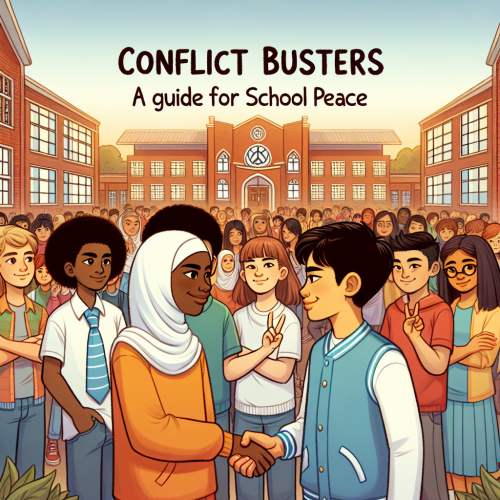
Conflict Busters: A Guide for School Peace
Updated
1-pager
Project Activities
Days 1–8
Day 1
Organize a 'Conflict Awareness Day' to launch the project. Facilitate role-playing activities that simulate common conflicts students face. Encourage students to reflect on these scenarios and share their thoughts in small groups.
Activity
Day 2
Invite community partners, such as parents, teachers, and peers, to share personal stories and insights on conflict resolution during a panel discussion. Students will take notes and ask questions to deepen their understanding.
Activity
Day 3
Conduct a brainstorming session where students identify everyday conflicts they experience or witness at school. Have students categorize these conflicts and discuss their potential root causes.
Activity
Conduct research sessions where students, in their small groups, investigate the effectiveness of various conflict resolution strategies. Use resources like articles, books, and online databases.
Activity
Day 4
Facilitate group interviews with community partners, such as school counselors or local conflict resolution experts, to gather insights on practical strategies and their effectiveness.
Activity
Begin research sessions where students use resources such as articles, books, and online databases to explore what research and adults say about effective conflict resolution strategies.
Activity
Day 5
Form small groups to discuss and compile a list of conflicts and their root causes. Each group will select one common conflict to focus on for their guidebook project.
Activity
Facilitate workshops where students create and refine content for their conflict resolution guidebook, focusing on the structure, style, and clarity of their written or visual materials.
Activity
Organize a peer teaching workshop where each group presents their initial findings and strategies to other groups for feedback and collaborative brainstorming.
Activity
Day 6
Guide students in evaluating their gathered data, comparing traditional conflict resolution methods with innovative approaches, and identifying the most effective strategies for their guidebook.
Activity
Organize feedback sessions with community partners, such as parents and teachers, where students present their draft guidebook entries and receive constructive feedback.
Activity
Day 7
Encourage peer review sessions where students exchange guidebook drafts with other groups to provide and receive feedback on content, ensuring the material is student-friendly and accessible.
Activity
Finalize the conflict resolution guidebook by incorporating final edits and ensuring all content is polished and cohesive.
Activity
Day 8
Organize a mock exhibition day in class where each group presents their final guidebook to peers for last-minute feedback and practice their presentation skills.
Activity
Guide students in revising their guidebook content based on feedback from community partners and peers, emphasizing the integration of practical conflict resolution strategies and real-world scenarios.
Activity
April 2026
Mon
Tue
Wed
Thu
Fri
13
Day 1
Project Activities
Organize a 'Conflict Awareness Day' to launch the project. Facilitate role-playing activities that simulate common conflicts students face. Encourage students to reflect on these scenarios and share their thoughts in small groups.
14
Day 2
Invite community partners, such as parents, teachers, and peers, to share personal stories and insights on conflict resolution during a panel discussion. Students will take notes and ask questions to deepen their understanding.
20
Day 3
Conduct a brainstorming session where students identify everyday conflicts they experience or witness at school. Have students categorize these conflicts and discuss their potential root causes.
Conduct research sessions where students, in their small groups, investigate the effectiveness of various conflict resolution strategies. Use resources like articles, books, and online databases.
21
Day 4
Facilitate group interviews with community partners, such as school counselors or local conflict resolution experts, to gather insights on practical strategies and their effectiveness.
Begin research sessions where students use resources such as articles, books, and online databases to explore what research and adults say about effective conflict resolution strategies.
27
Day 5
Form small groups to discuss and compile a list of conflicts and their root causes. Each group will select one common conflict to focus on for their guidebook project.
Facilitate workshops where students create and refine content for their conflict resolution guidebook, focusing on the structure, style, and clarity of their written or visual materials.
Organize a peer teaching workshop where each group presents their initial findings and strategies to other groups for feedback and collaborative brainstorming.
28
Day 6
Guide students in evaluating their gathered data, comparing traditional conflict resolution methods with innovative approaches, and identifying the most effective strategies for their guidebook.
Organize feedback sessions with community partners, such as parents and teachers, where students present their draft guidebook entries and receive constructive feedback.
May 2026
Mon
Tue
Wed
Thu
Fri
4
Day 7
Encourage peer review sessions where students exchange guidebook drafts with other groups to provide and receive feedback on content, ensuring the material is student-friendly and accessible.
Finalize the conflict resolution guidebook by incorporating final edits and ensuring all content is polished and cohesive.
5
Day 8
Organize a mock exhibition day in class where each group presents their final guidebook to peers for last-minute feedback and practice their presentation skills.
Guide students in revising their guidebook content based on feedback from community partners and peers, emphasizing the integration of practical conflict resolution strategies and real-world scenarios.