About Us Impact News Pricing Contact Us Explore
Make a copy
About Us Impact News Pricing Contact Us Explore
Tools
Project-Based Learning Performance Assessment Student-Led Conferences Digital Portfolios
Framework
Loading
Loading
    Products & Rubric
4th Grade  Project 7 weeks

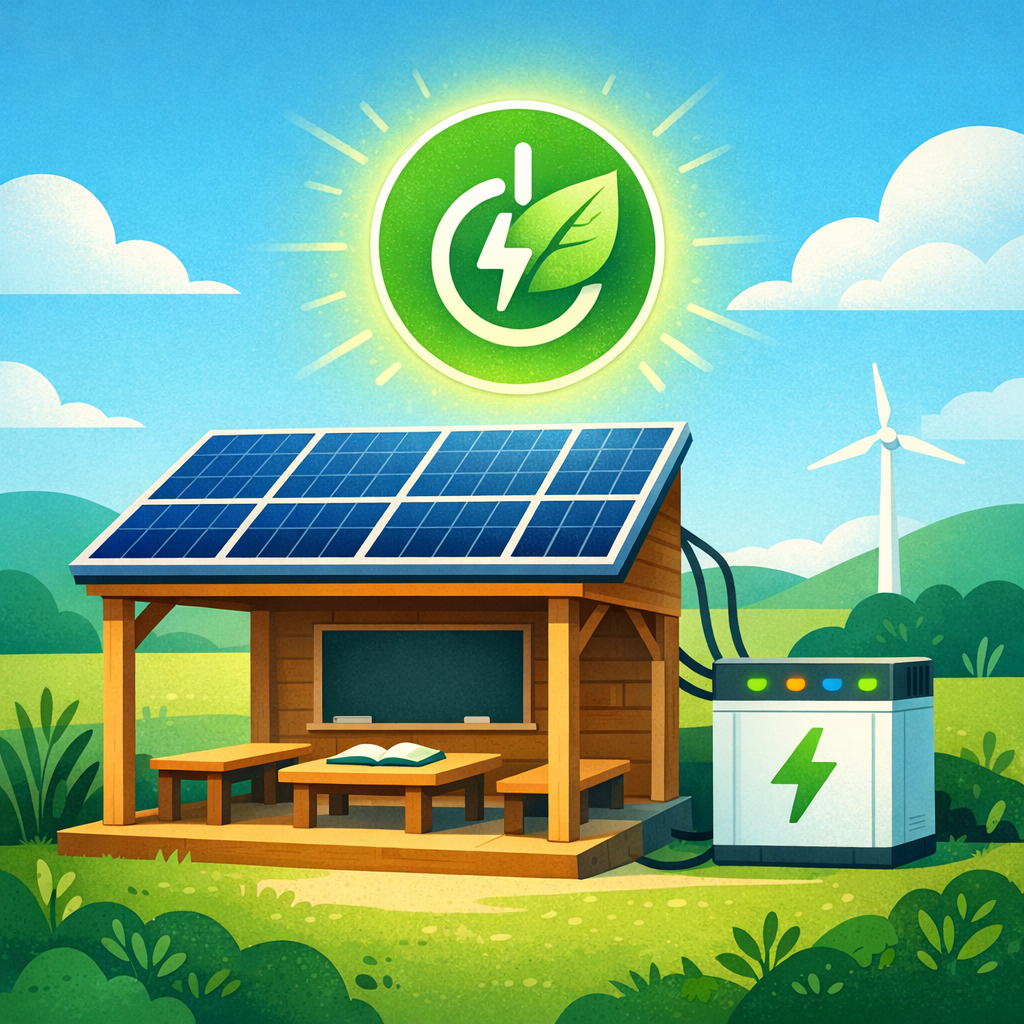
Green Power Pitch Perfect

Sarah F
May 14, 2026
Updated May 14, 2026
4-PS3-2
4-PS3-4
4-ESS3-1
3-5-ETS1-1
3-5-ETS1-2
+ 6 more
1-pager

The Challenge

When schools and nearby buildings use energy from fuels that release greenhouse gases, you add air pollution that contributes to climate change and can harm community health. The challenge is significant because people depend on electricity every day, but cleaner energy sources are not always easy to access, afford, or install quickly.

Challenge Question

How might we address pollution caused by our school’s energy use so that students, staff, and neighborhood families can benefit from a cleaner, more environmentally friendly energy solution?

Standards
  • [New York] 4-PS3-2 - Make observations to provide evidence that energy can be transferred from place to place by sound, light, heat, and electric currents.
  • [New York] 4-PS3-4 - Apply scientific ideas to design, test, and refine a device that converts energy from one form to another.
  • [New York] 4-ESS3-1 - Obtain and combine information to describe that energy and fuels are derived from natural resources and their uses affect the environment.
  • [New York] 3-5-ETS1-1 - Define a simple design problem reflecting a need or a want that includes specified criteria for success and constraints on materials, time, or cost.
  • [New York] 3-5-ETS1-2 - Generate and compare multiple possible solutions to a problem based on how well each is likely to meet the criteria and constraints of the problem.
  • [New York] 3-5-ETS1-3 - Plan and carry out fair tests in which variables are controlled and failure points are considered to identify aspects of a model or prototype that can be improved.
Competencies
  • Critical Thinking & Problem Solving - Students consider a variety of innovative approaches to address and understand complex questions that are authentic and important to their communities.
  • Effective Communication - Students practice listening to understand, communicating with empathy, and share their learning through exhibiting, presenting and reflecting on their work.
  • Collaboration - Students co-design projects with peers, exercise shared-decision making, strengthen relational agency, resolve conflict, and assume leadership roles.
  • Content Expertise - Students develop key competencies, skills, and dispositions with ample opportunities to apply knowledge and engage in work that matters to them.
  • Academic Mindset - Students establish a sense of place, identity, and belonging to increase self-efficacy while engaging in critical reflection and action.

Learning Partners and Clients

The city sustainability office can serve as a client by sharing local pollution concerns, explaining current efforts to reduce greenhouse gases, and giving students feedback on which school energy ideas seem realistic and useful for the community. A nearby utility company’s community outreach team can act as both learning partner and audience by teaching students where electricity comes from, helping them compare cleaner energy options for schools, and responding to student questions about energy transfer and resource use. Together, these partners give students authentic information, feedback on prototypes, and a real audience for their final pitch deck.

Phase Outcomes

Phase Learning Outcome
Discover
I can investigate how our school uses energy by exploring campus hot spots, noticing signs of wasted electricity and heat, and asking questions about how these choices may add to pollution for nearby families.
Examine
I can gather information from the city sustainability office and the utility outreach team to learn where our school’s energy comes from and how it can affect air quality and the environment. I can observe and compare how energy moves through sound, light, heat, and electric currents in simple classroom investigations. I can research how energy from natural resources is used in schools and explain how different energy choices can help or harm our community. I can compare several environmentally friendly school energy ideas and decide which ones best fit our school’s needs, budget, time, and materials.
Engineer
I can develop a school-friendly clean energy model and planning guide that uses resources wisely and could help our community reduce greenhouse gases.
Do
I can use fair tests to collect data on how well our solution transfers or converts energy, track its results, and decide what the evidence shows about how it could reduce pollution at our school.
Share
I can share my team’s energy solution and pitch deck with city sustainability staff, the utility outreach team, families, and school leaders through a live presentation and question-and-answer session that explains our idea, our evidence, and how I grew as a problem solver, teammate, and speaker.
Plan
By Phase By Day Calendar
Discover Examine Engineer Do Share
Discover
Students will launch the clean school energy project, observe real energy-use problems in their school community, identify who is affected, and produce early evidence-based artifacts that frame the challenge and guide deeper investigation in the next phase.
Days 1 - 4
🌍 School Energy Challenge Launch
Launch 35m
🔎 Energy Hot Spot Walk
Knowledge/Skill Building 40m
📝 Challenge Definition
Deliverable 45m
👥 End User Overview
Deliverable 40m
No activities have been added to this phase yet.

Edit Phase

Loading...
Examine
Students will investigate how energy moves through school systems, study how electricity sources affect air quality, gather information from community partners and texts, analyze causes of wasted energy, compare possible cleaner solutions, and use evidence plus feedback to choose a promising idea for the next phase.
Days 5 - 20
240 min over capacity (640 min available across 16 days)
⚡ School Energy Flow Lab
Knowledge/Skill Building 80m
🌫️ Fuels, Air, and Electricity
Knowledge/Skill Building 80m
🏙️ Questions for Energy Experts
Community Experience 80m
🔎 Source Evaluation Report
Deliverable 80m
🧭 Energy Waste Pattern Hunt
Research 80m
🕸️ Root Cause Analysis
Deliverable 80m
📏 Criteria and Constraints Sort
Knowledge/Skill Building 80m
💡 Clean Energy Idea Sprint
Project Work 80m
🗣️ Solution Proposal
Deliverable 80m
🔁 Proposal Feedback Carousel
Project Work 80m
🎯 Evidence Check Conference
Assessment 80m
No activities have been added to this phase yet.

Edit Phase

Loading...
Engineer
Students will design a school-friendly clean energy solution by studying strong examples, turning research into criteria-based plans, building and revising prototypes, and documenting how evidence and feedback shape their design choices before moving into formal testing.
Days 21 - 30
🚀 School Energy Design Sprint
Launch 40m
🔍 Exemplar Exploration
Deliverable 40m
⚡ Energy Transfer in Model Devices
Knowledge/Skill Building 40m
🌍 Cleaner Energy Trade-Off Sort
Knowledge/Skill Building 40m
🧭 Creation Plan
Deliverable 40m
🛠️ Prototype Build Round One
Project Work 40m
🧪 Hypothesis
Deliverable 30m
💬 Prototype Feedback Carousel
Project Work 40m
🔧 Revise and Recheck Prototype
Project Work 40m
📝 Solution Development Report
Deliverable 40m
No activities have been added to this phase yet.

Edit Phase

Loading...
Do
Students will carry out a fair test of their clean school energy model, collect evidence with simple measurement tools, study whether the results match user needs and pollution-reduction goals, and revise their thinking before the final pitch.
Days 31 - 33
🧪 Fair Test Setup for Energy Models
Knowledge/Skill Building 20m
Implementation and Data Collection Plan
Deliverable 20m
Implementation Results
Deliverable 40m
🔍 Data-to-Revision Conference Notes
Project Work 40m
No activities have been added to this phase yet.

Edit Phase

Loading...
Share
Students will finalize and present their tested clean-energy solution to authentic community audiences, then document how their science understanding, design decisions, collaboration, and communication grew across the project.
Days 34 - 35
🎤 Clean Energy Pitch Showcase
Assessment 45m
📝 Growth Reflection
Assessment 35m
No activities have been added to this phase yet.

Edit Phase

Loading...
Discover Days 1–4
Day 1
🌍 School Energy Challenge Launch
Launch 35m
Day 2
🔎 Energy Hot Spot Walk
Knowledge/Skill Building 40m
Day 3
📝 Challenge Definition
Deliverable 45m
Day 4
👥 End User Overview
Deliverable 40m
Examine Days 5–20
Day 5
⚡ School Energy Flow Lab
Knowledge/Skill Building 80m
Day 6
🌫️ Fuels, Air, and Electricity
Knowledge/Skill Building 80m
Day 7
🏙️ Questions for Energy Experts
Community Experience 80m
Day 8
🔎 Source Evaluation Report
Deliverable 80m
Day 9
🧭 Energy Waste Pattern Hunt
Research 80m
Day 10
🕸️ Root Cause Analysis
Deliverable 80m
Day 11
📏 Criteria and Constraints Sort
Knowledge/Skill Building 80m
Day 12
💡 Clean Energy Idea Sprint
Project Work 80m
Day 13
🗣️ Solution Proposal
Deliverable 80m
Day 14
🔁 Proposal Feedback Carousel
Project Work 80m
Day 15
🎯 Evidence Check Conference
Assessment 80m
Day 16
Day 17
Day 18
Day 19
Day 20
Engineer Days 21–30
Day 21
🚀 School Energy Design Sprint
Launch 40m
Day 22
🔍 Exemplar Exploration
Deliverable 40m
Day 23
⚡ Energy Transfer in Model Devices
Knowledge/Skill Building 40m
Day 24
🌍 Cleaner Energy Trade-Off Sort
Knowledge/Skill Building 40m
Day 25
🧭 Creation Plan
Deliverable 40m
Day 26
🛠️ Prototype Build Round One
Project Work 40m
Day 27
🧪 Hypothesis
Deliverable 30m
Day 28
💬 Prototype Feedback Carousel
Project Work 40m
Day 29
🔧 Revise and Recheck Prototype
Project Work 40m
Day 30
📝 Solution Development Report
Deliverable 40m
Do Days 31–33
Day 31
🧪 Fair Test Setup for Energy Models
Knowledge/Skill Building 20m
Implementation and Data Collection Plan
Deliverable 20m
Day 32
Implementation Results
Deliverable 40m
Day 33
🔍 Data-to-Revision Conference Notes
Project Work 40m
Share Days 34–35
Day 34
🎤 Clean Energy Pitch Showcase
Assessment 45m
Day 35
📝 Growth Reflection
Assessment 35m

June 2026

Mon
Tue
Wed
Thu
Fri
1 Day 1
Discover
🌍 School Energy Challenge Launch
2 Day 2
🔎 Energy Hot Spot Walk
3 Day 3
📝 Challenge Definition
4 Day 4
👥 End User Overview
5 Day 5
Examine
⚡ School Energy Flow Lab
8 Day 6
🌫️ Fuels, Air, and Electricity
9 Day 7
🏙️ Questions for Energy Experts
10 Day 8
🔎 Source Evaluation Report
11 Day 9
🧭 Energy Waste Pattern Hunt
12 Day 10
🕸️ Root Cause Analysis
15 Day 11
📏 Criteria and Constraints Sort
16 Day 12
💡 Clean Energy Idea Sprint
17 Day 13
🗣️ Solution Proposal
18 Day 14
🔁 Proposal Feedback Carousel
19 Day 15
🎯 Evidence Check Conference
22 Day 16
23 Day 17
24 Day 18
25 Day 19
26 Day 20

July 2026

Mon
Tue
Wed
Thu
Fri
29 Day 21
Engineer
🚀 School Energy Design Sprint
30 Day 22
🔍 Exemplar Exploration
1 Day 23
⚡ Energy Transfer in Model Devices
2 Day 24
🌍 Cleaner Energy Trade-Off Sort
3 Day 25
🧭 Creation Plan
6 Day 26
🛠️ Prototype Build Round One
7 Day 27
🧪 Hypothesis
8 Day 28
💬 Prototype Feedback Carousel
9 Day 29
🔧 Revise and Recheck Prototype
10 Day 30
📝 Solution Development Report
13 Day 31
Do
🧪 Fair Test Setup for Energy Models
Implementation and Data Collection Plan
14 Day 32
Implementation Results
15 Day 33
🔍 Data-to-Revision Conference Notes
16 Day 34
Share
🎤 Clean Energy Pitch Showcase
17 Day 35
📝 Growth Reflection
Share
Activities
Loading
Loading
Loading
Get it on Google Play
© 2026 Inkwire Inc
Contact Us Privacy Policy Terms of Service