7th, 8th Grades  Project 1 week

Ecosystem Extravaganza: Picture Perfect Habitats!

Emily A
Effective Communication
Critical Thinking & Problem Solving
Collaboration
Content Expertise
Academic Mindset
1-pager

Purpose

Students dive into the intricate world of ecosystems, cultivating critical thinking and collaborative skills as they explore and illustrate the complex interactions within a chosen biome. Through designing detailed collages that demonstrate their understanding of organisms, populations, and communities, students engage actively, reflecting on how living and non-living elements interconnect. They enhance their ability to communicate effectively by sharing their findings and reflections through presentations, fostering a deeper connection to the natural world and their role within it. This project encourages them to practice scientific inquiry and develop a strong academic mindset, grounding their learning in real-world contexts.

Learning goals

Students will explore and diagram the levels of organization within an assigned ecosystem, accurately identifying organisms, populations, and communities. They will analyze and differentiate between abiotic and biotic factors affecting these ecosystems. Throughout the project, students will refine communication skills through collaborative work and presentations, strengthening critical thinking as they formulate and exchange insights. They will also cultivate an academic mindset by reflecting on their learning, reviewing peer feedback, and integrating revisions to enhance their ecosystem collages. The project encourages students to take ownership of their learning in an environment that values shared decision-making and problem-solving.
Competencies
  • Effective Communication - Students practice listening to understand, communicating with empathy, and share their learning through exhibiting, presenting and reflecting on their work.
  • Critical Thinking & Problem Solving - Students consider a variety of innovative approaches to address and understand complex questions that are authentic and important to their communities.
  • Collaboration - Students co-design projects with peers, exercise shared-decision making, strengthen relational agency, resolve conflict, and assume leadership roles.
  • Content Expertise - Students develop key competencies, skills, and dispositions with ample opportunities to apply knowledge and engage in work that matters to them.
  • Academic Mindset - Students establish a sense of place, identity, and belonging to increase self-efficacy while engaging in critical reflection and action.

Products

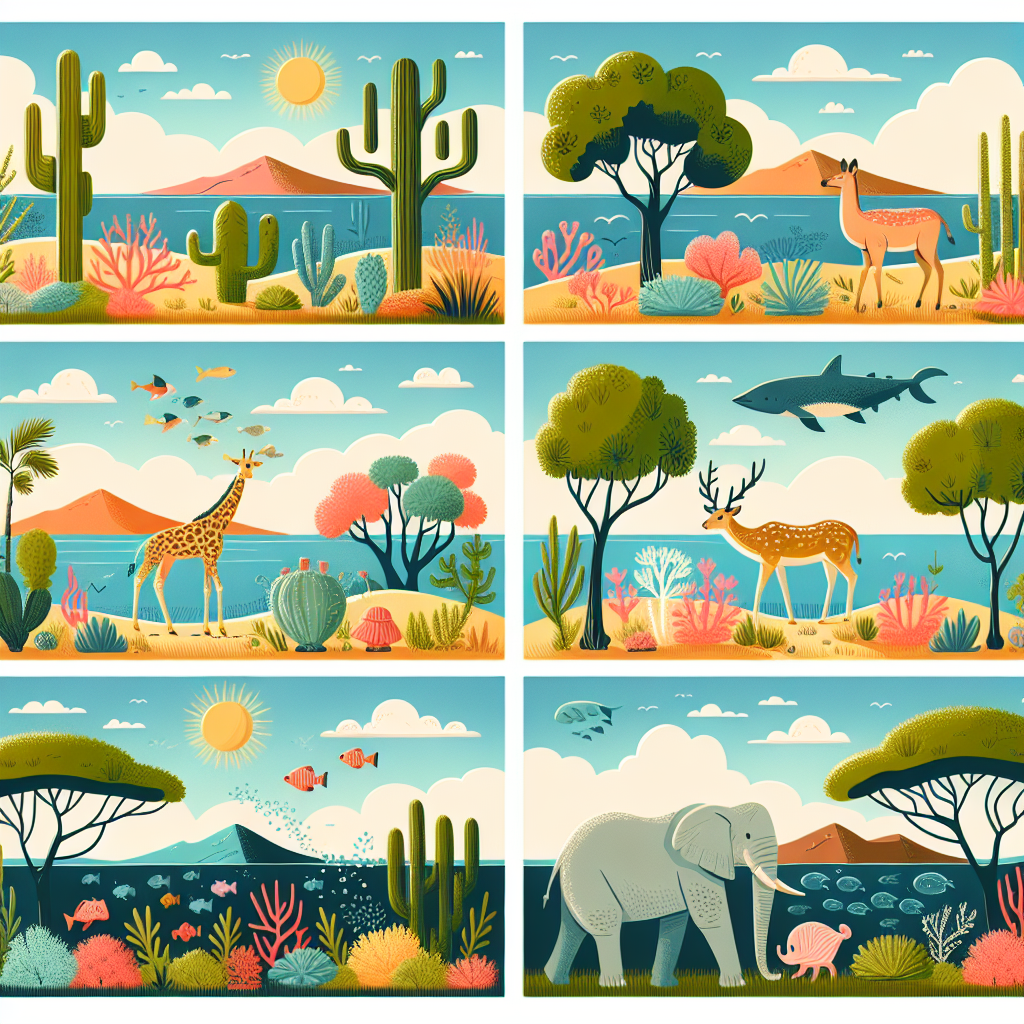
Students will create individualized ecosystem collages that illustrate their assigned ecosystem's levels of organization, from organisms to communities. Throughout the week, they will develop diagrams and collect visual resources to accurately depict both abiotic and biotic factors. These collages will serve as educational tools, combining scientific research with creative expression, and will culminate with presentations that articulate their findings to the class. On the fourth day, students will engage in peer critique to refine their work before the final exhibition.

Launch

Begin the project with an immersive experience where students participate in a virtual field trip to a variety of ecosystems. Using online tools, students can explore grasslands, boreal forests, deserts, deciduous forests, rainforests, and tundra environments. Have them jot down initial observations about the organisms and factors they notice interacting within these ecosystems. This engaging introduction sets the stage for the collage project where they will elaborate on their findings.

Exhibition

On the final day of the project, students will present their ecosystem collages in a classroom exhibition, showcasing their understanding through visual displays and verbal explanations. Each student will take turns sharing the levels of organization, while highlighting specific biotic and abiotic factors and offering insights into the uniqueness of their chosen ecosystems. These presentations will foster a space for peers to engage in feedback, ask questions, and appreciate diverse ecosystems, thereby reinforcing effective communication skills and strengthening the learning community.