2nd Grade  Project 3 weeks

Herb Tea Mixology Magic!

Angela J
SCI.2.PS.1
SCI.2.CC.1
SCI.2.PS.1
SCI.2.CC.1
SS.Geog5.b.2
+ 2 more
1-pager

Purpose

The overall purpose of this learning experience is to immerse second-grade students in the art and science of herbal tea blending through hands-on exploration and collaboration. Students will engage in sensory experiences and scientific inquiry to understand the properties of various herbs, fostering critical thinking and problem-solving skills. By working together, they will create unique tea blends that reflect their collective tastes and preferences, while connecting with local tea farmers to understand the role of natural resources. Through this project, students will not only develop deeper comprehension of scientific principles but also enhance their abilities to communicate, collaborate, and innovate.

Learning goals

Students will explore the interactions of matter through the sensory experience of tasting and identifying herbs, which supports developing an understanding of scientific principles and geographic knowledge of natural resources. They will enhance critical thinking and problem-solving skills by experimenting with various herb blends and evaluating flavor profiles. Through collaboration, students will co-create a final tea blend, utilizing peer input and addressing challenges, while documenting the process and discoveries in their Herbal Tea Journals. The project fosters an understanding of teamwork and leadership roles, culminating in a presentation that communicates their learning journey and results.
Standards
  • [Wisconsin] SCI.2.PS.1 - Students use science and engineering practices, crosscutting concepts, and an understanding of matter and its interactions to make sense of phenomena and solve problems.
  • [Wisconsin] SCI.2.CC.1 - Students use science and engineering practices, disciplinary core ideas, and patterns to make sense of phenomena and solve problems.
  • [Wisconsin] SCI.2.PS.1 - Students use science and engineering practices, crosscutting concepts, and an understanding of matter and its interactions to make sense of phenomena and solve problems.
  • [Wisconsin] SCI.2.CC.1 - Students use science and engineering practices, disciplinary core ideas, and patterns to make sense of phenomena and solve problems.
  • [Wisconsin] SS.Geog5.b.2 - Identify natural resources (e.g., fertile soil, forests, mining) of a place and provide examples of how those resources are used.
Competencies
  • Critical Thinking & Problem Solving - Students consider a variety of innovative approaches to address and understand complex questions that are authentic and important to their communities.
  • Collaboration - Students co-design projects with peers, exercise shared-decision making, strengthen relational agency, resolve conflict, and assume leadership roles.

Products

Throughout this learning experience, students will collaboratively design and produce a booklet titled "Our Class Tea Story," with each student contributing individual pages on their chosen herb. By the end, students will create their unique tea blends, developed from hands-on experiments and documented insights. These tea blends will be showcased at an interactive Tea Tasting Event, where students present their creations, alongside explanations of their ingredient choices and flavor profiles.

Launch

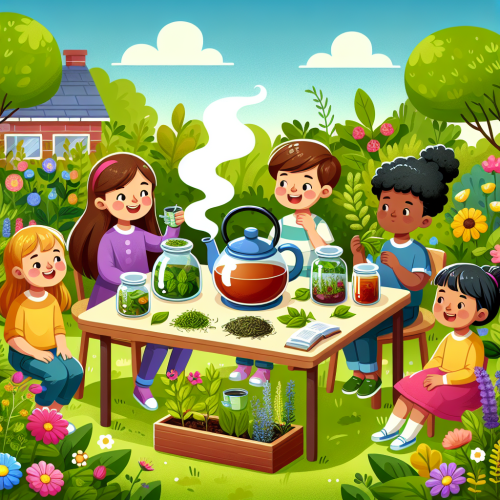
Kick off the learning experience with a 'Blindfolded Taste Adventure' where students explore a variety of herbal teas blindfolded, guessing the components, and discussing the sensations and flavors they experience. This immersive activity engages senses beyond sight, sparking curiosity and setting the stage for collaborative exploration of tea blending. It encourages students to identify flavors, analyze different herbs, and share personal reactions while working together to begin their projects.

Exhibition

Students will participate in a 'Tea Tasting Event' hosted in the school auditorium, where they showcase their final tea blends to classmates, teachers, and local community partners, including the invited local tea farmers. Aside from tasting the teas, attendees will be able to read 'Our Class Tea Story' booklet, learning about each student's chosen herb and its role in their unique blend. This event encourages a communal appreciation for the creativity and scientific inquiry demonstrated by the students throughout the project.