About Us Impact News Pricing Contact Us Explore
Make a copy
About Us Impact News Pricing Contact Us Explore
Tools
Project-Based Learning Performance Assessment Student-Led Conferences Digital Portfolios
Framework
Loading
Loading
3rd Grade  Project 5 weeks

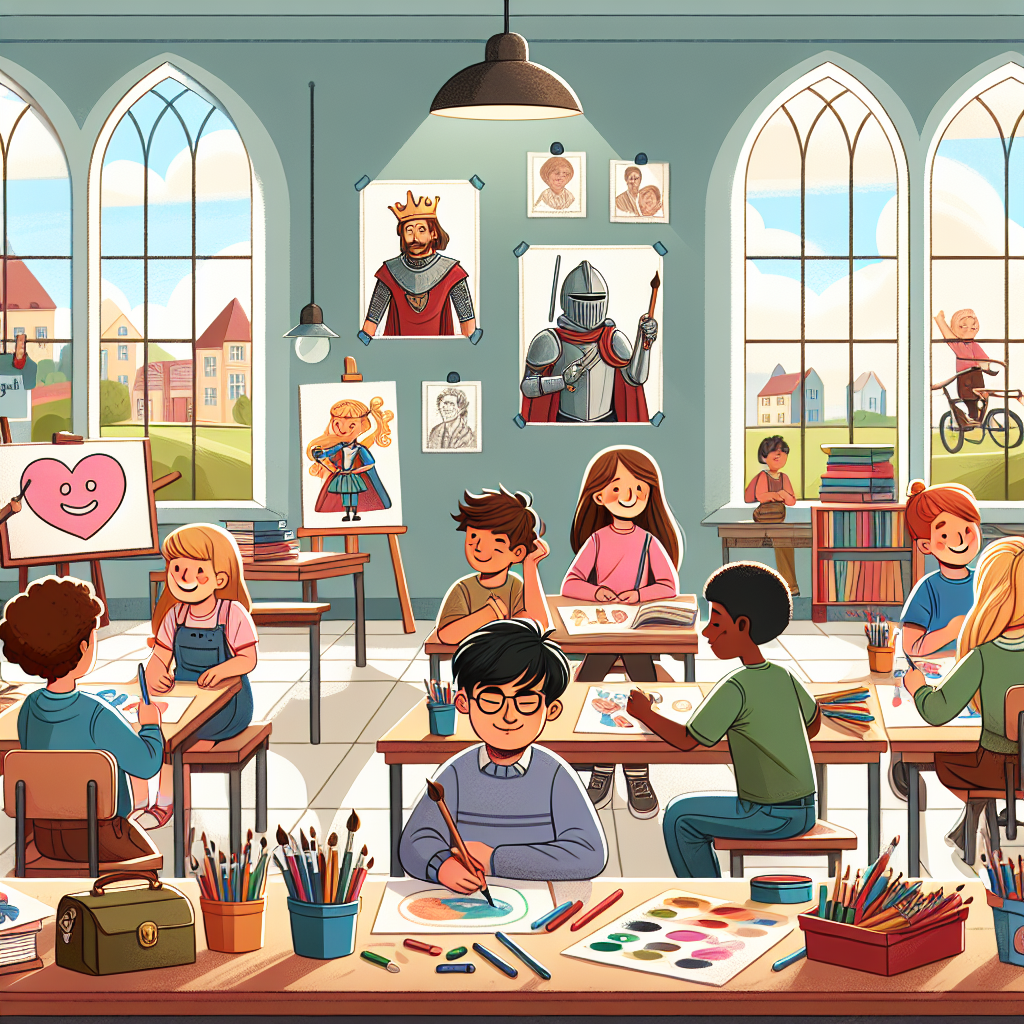
Emotions in Art: Creative Characters Unleashed!

Rosangela M
CCSS.ELA-Literacy.RL.3.3
CCSS.ELA-Literacy.RL.3.7
CCSS.ELA-Literacy.RL.3.5
CCSS.ELA-Literacy.RL.3.2
CCSS.ELA-Literacy.W.3.3
+ 7 more
1-pager

Purpose

This hands-on, project-based learning experience aims to immerse third-grade students in the dynamic world of storytelling and art, helping them articulate emotions and character traits through creative expression. By connecting with local artists and authors, students gain unique insights into crafting narratives, which bolster their narrative skills and deepen their understanding of character development. Engaging in activities that blend art and technology, students culminate their creative journey with a digital storytelling festival, fostering an environment of collaboration, self-discovery, and community celebration.

Learning goals

Students will explore and articulate character traits and emotions through storytelling and art, deepening their understanding by applying narrative techniques and creative processes. They will engage with local artists to learn diverse methods of communication, both verbal and non-verbal, enriching their narrative and analytical skills. By collaborating on projects, students will practice effective communication, hone critical thinking, and apply feedback to refine their work. Through self-reflection, students will link personal experiences to character development, fostering self-awareness and socio-emotional growth. The culmination of their efforts will be presented in a digital format, showcasing their ability to blend traditional storytelling with modern technology.
Standards
  • [Common Core] CCSS.ELA-Literacy.RL.3.3 - Describe characters in a story (e.g., their traits, motivations, or feelings) and explain how their actions contribute to the sequence of events.
  • [Common Core] CCSS.ELA-Literacy.RL.3.7 - Explain how specific aspects of a text's illustrations contribute to what is conveyed by the words in a story (e.g., create mood, emphasize aspects of a character or setting).
  • [Common Core] CCSS.ELA-Literacy.RL.3.5 - Refer to parts of stories, dramas, and poems when writing or speaking about a text, using terms such as chapter, scene, and stanza; describe how each successive part builds on earlier sections.
  • [Common Core] CCSS.ELA-Literacy.RL.3.2 - Recount stories, including fables, folktales, and myths from diverse cultures; determine the central message, lesson, or moral and explain how it is conveyed through key details in the text.
  • [Common Core] CCSS.ELA-Literacy.W.3.3 - Write narratives to develop real or imagined experiences or events using effective technique, descriptive details, and clear event sequences.
  • [Common Core] CCSS.ELA-Literacy.RL.3.6 - Distinguish their own point of view from that of the narrator or those of the characters.
Competencies
  • Effective Communication - Students practice listening to understand, communicating with empathy, and share their learning through exhibiting, presenting and reflecting on their work.
  • Critical Thinking & Problem Solving - Students consider a variety of innovative approaches to address and understand complex questions that are authentic and important to their communities.
  • Content Expertise - Students develop key competencies, skills, and dispositions with ample opportunities to apply knowledge and engage in work that matters to them.
  • Collaboration - Students co-design projects with peers, exercise shared-decision making, strengthen relational agency, resolve conflict, and assume leadership roles.
  • Academic Mindset - Students establish a sense of place, identity, and belonging to increase self-efficacy while engaging in critical reflection and action.
  • Self Directed Learning - Students use teacher and peer feedback and self-reflection to monitor and direct their own learning while building self knowledge both in and out of the classroom.

Products

Students will create an interactive digital storyboard showcasing their narrative fiction, incorporating animations and voiceovers to bring their characters' emotions and traits to life. Throughout the project, they will craft realistic fiction stories that demonstrate narrative structure and character development influenced by local artist mentorships. Final products will be presented in a 'Digital Narrative Festival,' where their enhanced stories will be displayed with commentary on the character development process. Additionally, they will maintain a 'Character Trait Reflection Tracker,' documenting their learning journey and emotional insights.

Launch

Kick off the learning experience with an interactive 'Emotion Exploration Lab,' where students experiment with various art mediums like clay, paint, and collage to creatively depict different emotions and character traits. Invite a local artist to guide the session, demonstrating how visual elements can convey emotions. Conclude the launch with students sharing their creations and initial reflections, setting the stage for their deeper dive into storytelling and character analysis.

Exhibition

Students will debut their digitally enhanced stories at a 'Digital Narrative Festival,' a special assembly where they present their narratives on screens. Each student will offer commentary on their character development process, highlighting the integration of animations and voiceovers. This celebratory event invites peers, family, and community partners to engage with and appreciate the students' creative work, fostering a sense of accomplishment and sharing in the storytelling journey.
Rubric
Competency Progression Rubric Competency-first rubric
Category
Learning Goal
Stage 1
Stage 2
Stage 3
Stage 4
Deeper Learning Competencies
Effective Communication
  • I can describe a character's traits and feelings by using words and pictures that help others understand who the character is and how they fit into the story
  • I can share my story with my classmates, show how I express emotions through my art, and talk about what my character learns or feels using clear examples.
  • I can describe the character traits and emotions in my story by using clear details and illustrations
  • I can explain how my characters' actions help the story move forward and how the pictures add mood and show what's happening in the story
  • When I talk about or write my story, I can use words like "chapter" and "scene" to show how each part builds onto the next, making my story come together.
  • I can clearly describe the traits, motivations, and emotions of my story's characters and explain how these influence what happens next in the plot
  • When I present my digital storyboard, I show how specific animations and voiceovers help express the mood and traits of my characters
  • I am able to use parts of the story, like chapters or scenes, to explain how the story builds and changes over time
  • I can share the central message or lesson of my narrative and explain how my visual and written choices convey this message
  • Moreover, I highlight the differences between my own perspective and those of my characters or narrator.
  • I can confidently present my digital storyboard by explaining how my character's traits, emotions, and actions contribute to the story's events
  • I use animations and voiceovers to show how the illustrations connect with the story and add mood or emphasize character traits
  • My storytelling includes clear and descriptive details, and I can describe the sequence of events, highlighting how each part builds on the next
  • Additionally, I share my perspective on what I learned about character development, reflecting on how it relates to my own experiences.
Deeper Learning Competencies
Critical Thinking & Problem Solving
  • I can identify basic character traits and emotions in a story by pointing out actions that help me understand the character's feelings and motivations
  • I can also use simple words or drawings to show how pictures in a story help explain what is happening.
  • I can describe how my characters' traits influence their actions in my story, and I can explain the sequence of events
  • I use illustrations to show moods and highlight character details
  • I refer to different parts of my story using terms like chapter and scene, showing how each piece connects
  • I recount diverse stories, identifying the main message and key details
  • I write narratives with imagination, using clear sequences and descriptive details
  • I can explain the difference between my views and those of my characters.
  • I can describe the emotions and traits of the characters in my story through creative art forms like animations and voiceovers, showing how their actions affect the plot
  • I use illustrations to help create mood and highlight character details that enhance my narrative
  • I recognize how each part of my story builds on the earlier sections, and I recount diverse stories by explaining the message or lesson conveyed through key details.
  • I can creatively use art and storytelling to express my characters' emotions and traits clearly, explaining how their actions affect the story
  • I can show how illustrations add to the mood and character traits in my narrative, and I confidently share my point of view and how it differs from my characters' perspectives.
Deeper Learning Competencies
Content Expertise
  • I can describe a character in my story by identifying their traits, like being brave or kind, and explain how these traits affect what happens in the story
  • I use drawings or technology to show emotions and settings, and I can talk about how pictures in a text help me understand the mood or character.
  • I can describe the traits and emotions of characters in my story and show how their actions affect what happens next
  • I can use illustrations and details to make my story interesting, showing different parts that build on each other
  • I can figure out the message or lesson in stories I read and use it to write my own narrative smoothly, sharing how some parts might be different from my own viewpoint.
  • I can effectively explain how my story's illustrations highlight important parts and add mood, giving more meaning to my words
  • I can thoughtfully describe how my characters act and feel, and I use specific parts of my story, like chapters or scenes, to show how they change over time and teach important lessons.
  • I can create a digital storyboard where my characters' emotions and traits are clearly shown through animations and voiceovers
  • I use details in my story to show why characters do certain things, and I can explain how the pictures and words work together to make the story better
  • I share my story in a special festival, using my words to help people understand how I thought about my characters and their actions.
Deeper Learning Competencies
Collaboration
  • I can work with my classmates by sharing my ideas and listening to their suggestions when we develop our story
  • I help decide which art materials best show our characters' emotions and traits
  • I reflect on how our choices in storytelling help tell the story clearly and keep it interesting.
  • I can work with my classmates to create a story, sharing ideas and listening to theirs, so our characters have clear traits and actions that make the story exciting
  • I express emotions through art, like adding details to pictures that show how a character is feeling
  • I talk about and use parts of our story, like chapters or scenes, to explain how everything fits together
  • I can understand and tell my favorite parts of stories from different places and figure out what the story is trying to teach us
  • When I write, I describe what happens and use words that show how the characters feel and act
  • I know who I am in the story versus the characters, which helps me explain their perspectives and mine.
  • I can work together with my classmates to create a story, making sure we include clear details about the characters' traits and how they feel
  • I use drawings and animations to help tell our story, showing how pictures add to the mood and character actions
  • When we discuss our stories, I talk about chapters and scenes, explaining how each part connects to the rest of the story
  • I can also share my thoughts and listen to my peers' ideas to improve our story together.
  • I can work with my classmates to create a digital storyboard that highlights our characters' traits and emotions using animations and voiceovers
  • I can clearly describe how each character's actions affect the story and can explain how our illustrations help tell the story by showing mood or important details about the character or setting
  • I can use descriptive language and make sure the story parts connect well, sharing my unique ideas and point of view while respecting the input of others.
Deeper Learning Competencies
Academic Mindset
  • I am beginning to understand how characters feel in a story by using my art to show their emotions
  • I can name some of the feelings I think characters have and use art like drawings or collages to help explain how they act in the story.
  • I can identify character traits and emotions in my story by describing how these influence my characters' actions
  • I can use illustrations to show how they add mood or emphasize important parts of the story
  • I can connect different parts of the story, like chapters or scenes, to build my narrative
  • I can explain the central message or lesson and use key details to support my ideas
  • I can write my story with descriptive details and clear sequences to make sure it connects with my readers.
  • I can creatively combine art and storytelling to show how the traits and feelings of my characters influence their actions in the story
  • I explore different art materials to make interesting illustrations that match the mood of my narrative
  • My creation shows a clear sequence of events, and I can share the story of my characters, referring to chapters and scenes
  • I tell stories to explain what my characters learn and how they grow using details from my narrative and illustrations.
  • I can confidently use art and storytelling to express how characters feel and grow in my story
  • I can explain how different story parts, like chapters and scenes, connect to make my story interesting
  • I use details and my own experiences to make my characters realistic
  • I can also notice how illustrations in a story help show feelings or important parts of the character or setting
  • By reflecting on my characters and my own experiences, I am learning more about myself and others around me.
Deeper Learning Competencies
Self Directed Learning
  • I can use feedback from my teacher and friends to make my story even better by adding more details about how my character feels and acts
  • I can show how my pictures help tell my story and make it more interesting for everyone to understand.
  • I can use teacher feedback and my own reflections to improve my digital storyboard by adding more details that show what my characters are feeling and why they act the way they do
  • I can explain how the illustrations and voiceovers in my story help show emotions and character traits.
  • I can independently use feedback from my teacher and classmates to improve my digital storyboard, making sure my characters' emotions are clear and their actions make the story exciting and easy to understand
  • I can explain how my illustrations help show what my characters are feeling and talk about how parts of my story build on each other, making my narrative interesting to read or listen to.
  • I can independently create a detailed digital storyboard that illustrates my narrative fiction, demonstrating a clear sequence of events and character development
  • I effectively incorporate animations and voiceovers to express emotions and character traits, and I confidently present my story to others, explaining how my illustrations enhance the mood and contribute to the story
  • Additionally, I use feedback to carefully refine my work and connect my personal experiences to my character’s journey, showcasing growth in my creative storytelling skills.
Learning Journey
Empathize Define Ideate Prototype Test/Present
Empathize
Students will engage in an 'Emotion Exploration Lab' to analyze and create artworks that depict character traits and emotions, beginning their journey by exploring how different artists convey feelings and narratives through visual mediums.
Days 1 - 3
No activities have been added to this phase yet.

Edit Phase

Loading...
Define
Students will synthesize their research on character traits and emotions into an actionable narrative concept by collaboratively analyzing different artists' storytelling methods, developing a clear problem statement for their own realistic fiction stories, and preparing to present their findings to peers for feedback.
Days 4 - 6
No activities have been added to this phase yet.

Edit Phase

Loading...
Ideate
Students will brainstorm and collaborate in small groups to generate diverse story concepts and character sketches, employing creative mediums such as drawing or digital tools to envision characters’ traits and emotions in preparation for their narrative fiction stories.
Days 7 - 10
No activities have been added to this phase yet.

Edit Phase

Loading...
Prototype
Students will collaboratively use feedback from their previous storytelling gallery walk to create and refine digital prototypes of their narratives, integrating animations and voiceovers to vividly convey character traits and emotions for peer review and mentor evaluation.
Days 11 - 15
No activities have been added to this phase yet.

Edit Phase

Loading...
Test/Present
Students will engage in a 'Storytelling Gallery Walk' to present and receive feedback on their digitally-enhanced narratives, using peers and community partners to validate emotional and character trait expressions before showcasing at the 'Digital Narrative Festival.'
Days 16 - 20
No activities have been added to this phase yet.

Edit Phase

Loading...
Plan

No activities yet

Your Learning Journey has phases but no activities. Go to the Learning Journey tab to add activities to your phases.

Share
Loading
Loading
Get it on Google Play
© 2026 Inkwire Inc
Contact Us Privacy Policy Terms of Service