About Us Impact News Pricing Contact Us Explore
Make a copy
About Us Impact News Pricing Contact Us Explore
Tools
Project-Based Learning Performance Assessment Student-Led Conferences Digital Portfolios
Framework
Loading
Loading
    Design for Mastery Kit
    NEW
11th Grade  Project 4 weeks

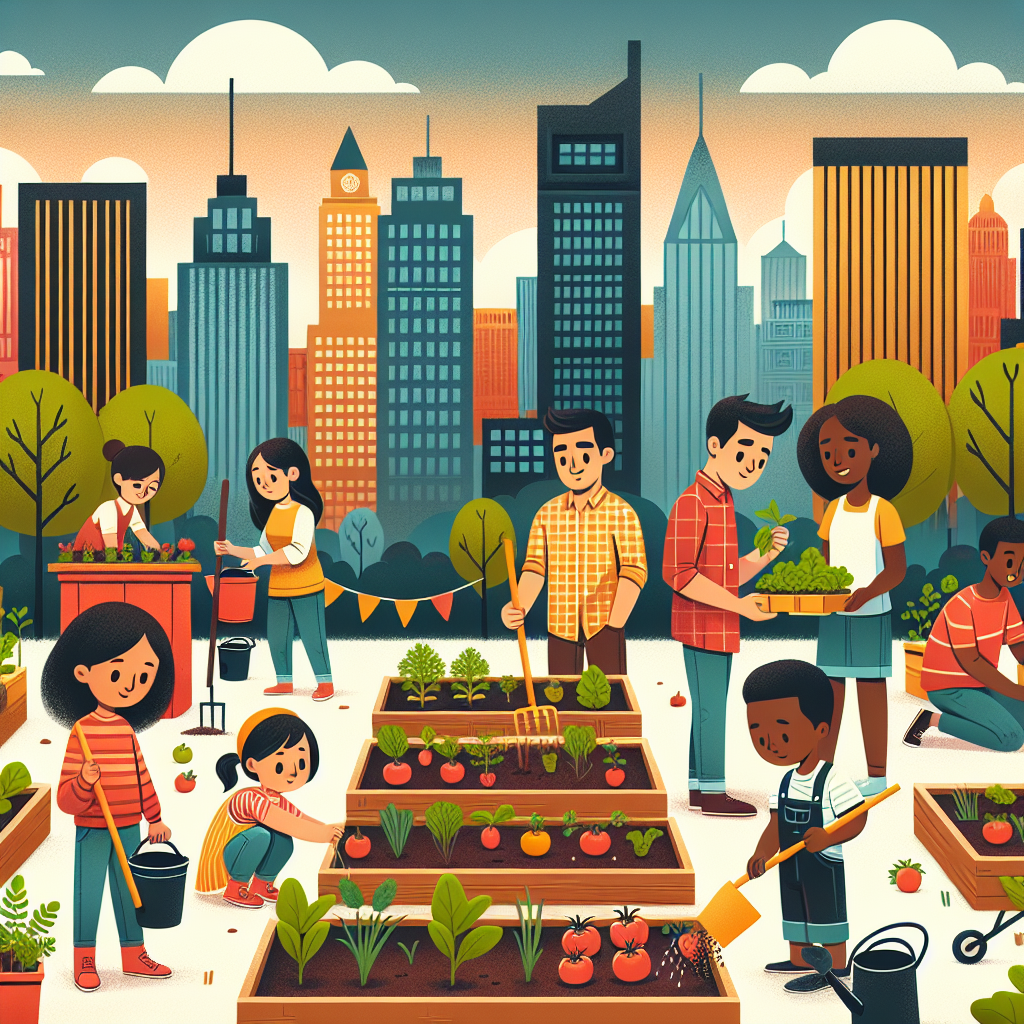
Green Thumb: Urban Farm Revolution!

Ari D
Critical Thinking & Problem Solving
Collaboration
Content Expertise
Effective Communication
Academic Mindset
1-pager

Purpose

This project invites 4th-grade students to explore the world of urban agriculture by crafting a plan aimed at improving access to fresh food in their community. Through engaging in data collection and soil assessment, students will propose garden designs that address local food desert challenges. They will work collaboratively, using their findings to make decisions that reflect community needs and explore the dynamics between agriculture and local socioeconomic factors. By combining practical learning with community engagement, students will gain an understanding of how food systems can influence the well-being of their community.

Learning goals

Fourth-grade students will investigate how garden designs can improve access to nutritious food by learning to analyze simple soil and community data. Through teamwork, they will develop small, sustainable garden projects, practicing skills in sharing ideas, listening to suggestions, and making joint decisions with peers. Students will also articulate their findings in a friendly presentation, discussing how small actions in urban agriculture can positively impact their community. Regular reflection sessions will help students connect their experiences to broader community benefits and understand their role in creating a positive change.
Competencies
  • Critical Thinking & Problem Solving - Students consider a variety of innovative approaches to address and understand complex questions that are authentic and important to their communities.
  • Collaboration - Students co-design projects with peers, exercise shared-decision making, strengthen relational agency, resolve conflict, and assume leadership roles.
  • Content Expertise - Students develop key competencies, skills, and dispositions with ample opportunities to apply knowledge and engage in work that matters to them.
  • Effective Communication - Students practice listening to understand, communicating with empathy, and share their learning through exhibiting, presenting and reflecting on their work.
  • Academic Mindset - Students establish a sense of place, identity, and belonging to increase self-efficacy while engaging in critical reflection and action.

Products

Fourth-grade students will create visual garden proposals using data-driven analysis to identify optimal crops for enhancing community access to fresh food. Students will work together in feedback sessions with local agriculture experts, honing their designs based on professional insights. By project's end, each team will present their garden plan and personal reflection stories to community members, illustrating the significance of urban gardening in addressing food accessibility challenges.

Launch

Kick off with a 'Garden Quest Fest' for fourth-grade students, where they interact with gardening experts and community members to gather local soil and neighborhood data. In small groups, students will engage in fun, hands-on activities, brainstorming their innovative garden designs to address food challenges. This event will spark curiosity and creativity, setting the stage for a meaningful journey into understanding the impact of urban agriculture.

Exhibition

Conclude the project with a "Garden Expo" event, where 4th-grade students showcase their urban agriculture models to classmates, teachers, and community members. Students will present their work through visual displays featuring drawings and simple data charts that reflect their understanding of how gardens can contribute to solving food accessibility issues. Facilitate opportunities for reflection and feedback, fostering an atmosphere of learning and exchange that highlights the students' insights into urban agriculture's role in the community.
Learning Journey
Empathize Define Ideate Prototype Test/Present
Empathize
Students will conduct immersive field research by visiting local urban areas, interviewing residents, and correlating firsthand experiences with collected data to identify critical community needs related to food accessibility.
Days 1 - 3
No activities have been added to this phase yet.

Edit Phase

Loading...
Define
Students will collaboratively analyze socioeconomic and soil data, engaging in group discussions and workshops to synthesize findings into a compelling and concise problem statement that addresses community food accessibility challenges, guided by insights from bi-weekly sessions with local experts.
Days 4 - 6
No activities have been added to this phase yet.

Edit Phase

Loading...
Ideate
Students will brainstorm diverse urban agriculture solutions by collaborating in creative workshops, leveraging gathered data insights, and integrating feedback from community engagements to propose innovative garden models addressing local food accessibility challenges.
Days 7 - 10
No activities have been added to this phase yet.

Edit Phase

Loading...
Prototype
Students will construct and test garden prototypes based on their data analysis, incorporating feedback from local experts to refine designs and collaboratively plan diverse crop arrangements to address community food needs.
Days 11 - 15
No activities have been added to this phase yet.

Edit Phase

Loading...
Test/Present
Students will present their urban agriculture plans to a panel of local experts and community members, incorporate feedback for final refinements, and analyze the real-world applicability and potential impact of their designs, while reflecting on communication, collaboration, and decision-making experiences.
Days 16 - 20
No activities have been added to this phase yet.

Edit Phase

Loading...
Plan

No activities yet

Your Learning Journey has phases but no activities. Go to the Learning Journey tab to add activities to your phases.

Empathize Days 1–3
Day 1
Day 2
Day 3
Define Days 4–6
Day 4
Day 5
Day 6
Ideate Days 7–10
Day 7
Day 8
Day 9
Day 10
Prototype Days 11–15
Day 11
Day 12
Day 13
Day 14
Day 15
Test/Present Days 16–20
Day 16
Day 17
Day 18
Day 19
Day 20

April 2026

Mon
Tue
Wed
Thu
Fri
6 Day 1
Empathize
7 Day 2
8 Day 3
9 Day 4
Define
10 Day 5
13 Day 6
14 Day 7
Ideate
15 Day 8
16 Day 9
17 Day 10
20 Day 11
Prototype
21 Day 12
22 Day 13
23 Day 14
24 Day 15
27 Day 16
Test/Present
28 Day 17
29 Day 18
30 Day 19
1 Day 20
Share
Loading
Loading
Get it on Google Play
© 2026 Inkwire Inc
Contact Us Privacy Policy Terms of Service