9th Grade  Project 2 weeks

Water Wonders: Earth's Hidden Secrets!

Natalie G
HS-ESS3-4
HS-ESS2-5
HS-ESS3-1
HS-ESS2-2
HS-LS2-7
+ 5 more
1-pager

Purpose

Through this project-based learning experience, students will conduct their own investigations into the dynamic interactions between water properties and Earth's geological processes, with a focus on real-world applications. They will critically analyze how water affects Earth's surface, and explore sustainable solutions for mitigating local natural hazards. The activities designed within this project will foster critical thinking, collaboration, and communication skills while enabling students to connect scientific concepts to their communities and environments. The culmination of their research and experiential learning will be reflected in digital presentations that propose innovative strategies for addressing the environmental impacts of human activities.

Learning goals

Students will understand the dynamic interactions between water and Earth's surface processes, including erosion, transportation, and deposition. They will cultivate skills in critical analysis by investigating local geological phenomena, apply research methods to assess and address environmental impacts, and engage in collaborative problem-solving to propose sustainable solutions. By participating in reflection activities and sharing findings, students will foster effective communication as they articulate the influence of natural resources and climate on human activities, developing content expertise through authentic, real-world projects.
Standards
  • [Next Generation Science Standards] HS-ESS3-4 - Evaluate or refine a technological solution that reduces impacts of human activities on natural systems.
  • [Next Generation Science Standards] HS-ESS2-5 - Plan and conduct an investigation of the properties of water and its effects on Earth materials and surface processes.
  • [Next Generation Science Standards] HS-ESS3-1 - Construct an explanation based on evidence for how the availability of natural resources, occurrence of natural hazards, and changes in climate have influenced human activity.
  • [Next Generation Science Standards] HS-ESS2-2 - Analyze geoscience data to make the claim that one change to Earth's surface can create feedbacks that cause changes to other Earth systems.
  • [Next Generation Science Standards] HS-LS2-7 - Design, evaluate, and refine a solution for reducing the impacts of human activities on the environment and biodiversity.
Competencies
  • Critical Thinking & Problem Solving - Students consider a variety of innovative approaches to address and understand complex questions that are authentic and important to their communities.
  • Effective Communication - Students practice listening to understand, communicating with empathy, and share their learning through exhibiting, presenting and reflecting on their work.
  • Content Expertise - Students develop key competencies, skills, and dispositions with ample opportunities to apply knowledge and engage in work that matters to them.
  • Collaboration - Students co-design projects with peers, exercise shared-decision making, strengthen relational agency, resolve conflict, and assume leadership roles.
  • Self Directed Learning - Students use teacher and peer feedback and self-reflection to monitor and direct their own learning while building self knowledge both in and out of the classroom.

Products

By the end of the learning experience, students will create a series of digital presentations that explore the environmental impacts of local natural hazards such as mudslides. Each presentation will showcase multimedia tools to propose sustainable solutions for mitigating future impacts. Additionally, students will design and exhibit interactive models that illustrate the effects of natural resources and climate changes on human activities, synthesizing research findings and fostering public understanding through real-world examples.

Launch

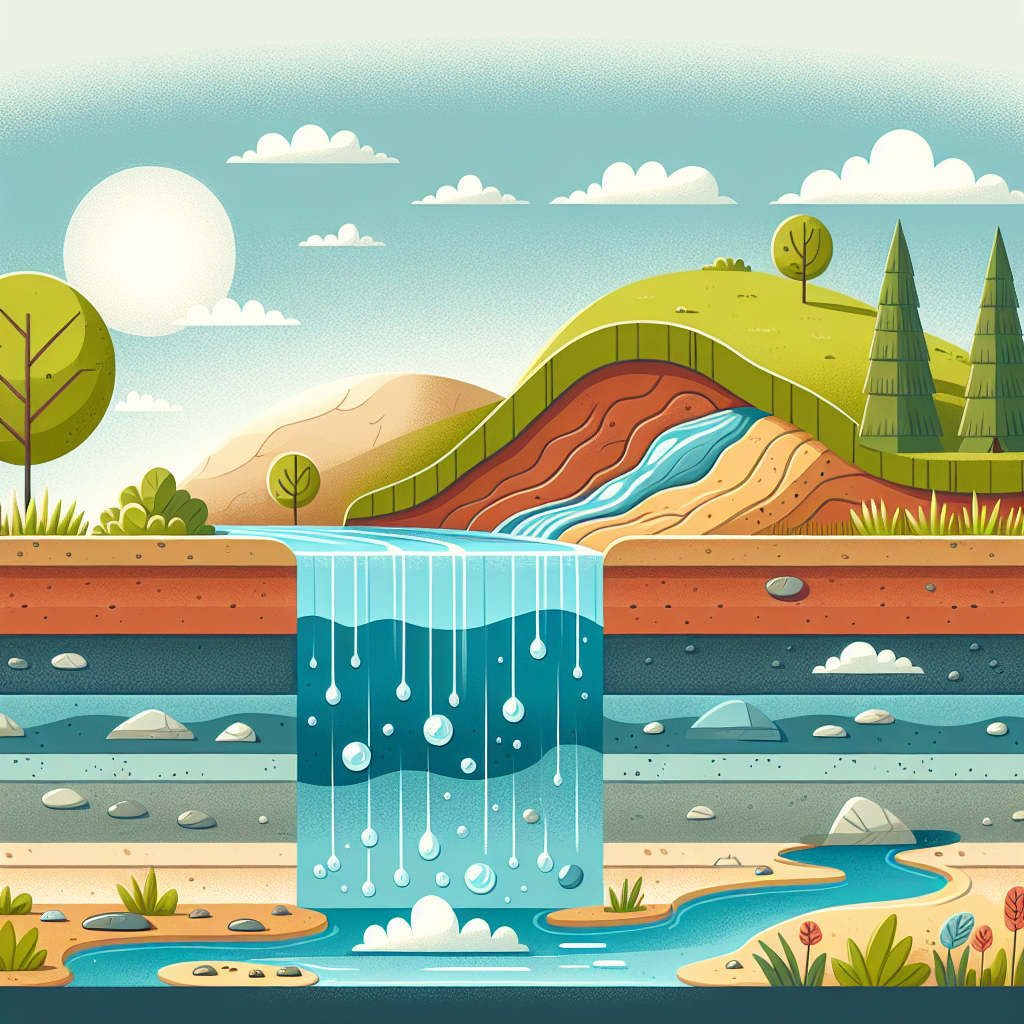
To launch the learning experience, students conduct a hands-on simulation using a stream table to observe water's influence on earth processes, like erosion and deposition. This interactive activity allows students to experiment with variables such as water flow and soil composition, sparking questions and hypotheses about real-world geological phenomena. Following the stream table experiment, students will discuss initial observations and predictions, setting the stage for deeper investigations throughout the project.

Exhibition

Students will curate an interactive exhibition to showcase their exploration of local natural hazards, with a particular focus on mudslides. They will create compelling digital presentations that blend research findings with personal reflections on the environmental impacts and proposed solutions. As part of the exhibition, students will engage visitors with multimedia storytelling tools to convey their understanding of human-environment interactions and the role of water in geological processes. This collaborative event will invite community members to explore student-driven insights and encourage discussion on sustainable actions.