3rd Grade  Lesson 45 minutes

Circle Circus: Measuring Round and Round!

Marcie E
Effective Communication
Critical Thinking & Problem Solving
Academic Mindset
1-pager

Purpose

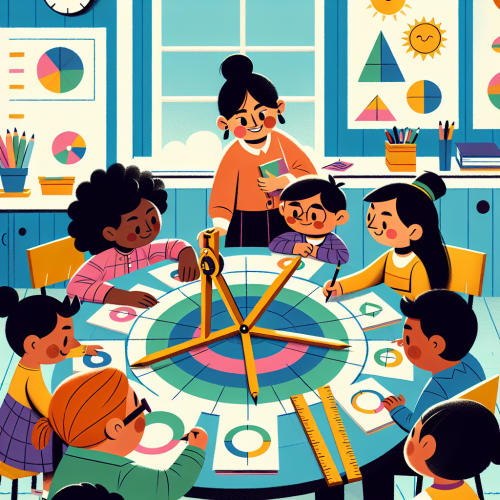
The purpose of this lesson is to immerse students in the practical measurement of circular objects through hands-on activities, connecting mathematics to real-world applications. By engaging with local community partners, students will explore the significance of circles in everyday life, fostering academic mindset and critical thinking. Students will collaborate and communicate their findings at a 'Circle Fair,' refining their understanding, presentation skills, and appreciation for circles in both academic and community contexts.

Learning goals

Students will develop skills in measuring circular objects using various methods to understand their real-world applications and importance. They will effectively communicate their findings and experiences through presentations, fostering empathy and constructive feedback during the Circle Fair. By building sundials and creating podcasts, students will deepen their understanding of circles' significance while establishing a sense of belonging and identity within their community.
Competencies
  • Effective Communication - Students practice listening to understand, communicating with empathy, and share their learning through exhibiting, presenting and reflecting on their work.
  • Critical Thinking & Problem Solving - Students consider a variety of innovative approaches to address and understand complex questions that are authentic and important to their communities.
  • Academic Mindset - Students establish a sense of place, identity, and belonging to increase self-efficacy while engaging in critical reflection and action.

Products

Students will collaboratively design and build a sundial, creatively using various circular elements to mark and understand the passage of time. They will also produce a podcast that explores the significance of circles in everyday life, featuring insightful interviews with local community members and experts in circular design. These projects will showcase students' understanding, highlight diverse perspectives on the role of circles, and demonstrate their communication and critical thinking skills.

Launch

Begin the lesson by inviting students to participate in a scavenger hunt around the classroom, searching for circular objects. Encourage them to explore and identify various items that incorporate circles, such as wheels, buttons, or clocks. As they gather their findings, prompt them to discuss in small groups why they think circles play a significant role in everyday life. This activity sets the stage for measuring circles later in the lesson, while sparking curiosity and investigation among students.

Exhibition

Students will host a 'Circle Fair' within the classroom, inviting teachers and peers from other classes to visit their exhibition stations. During the fair, they will present and demonstrate their handmade sundials, discuss the accuracy and efficiency of their measurement methods, and share their podcast recordings. The exhibition will include a display of photos and drawings from their bakery visit to showcase how circular measurements apply in real life. This celebration of learning will conclude with students eagerly explaining the significance and practical applications of circles in everyday objects and activities.