9th Grade  Lesson 70 minutes

Cell Safari: Exploring Life's Building Blocks!

Russell L
HS-LS1-4
HS-LS1-4
HS-LS1-2
Effective Communication
Critical Thinking & Problem Solving
1-pager

Purpose

The purpose of this learning experience is to engage students in understanding the intricate structure and function of cells through hands-on, digital modeling. By using TinkerCad, students collaboratively create 3D models, allowing for exploration and refinement to deepen their comprehension of cellular components and their interactions. This project nurtures critical thinking and communication skills, as students present and reflect on their models, connecting cellular biology to larger biological systems.

Learning goals

Students will explore the components and functions of cellular structures by creating a 3D digital model using TinkerCad, differentiating between animal and plant cells. They will analyze common cellular features across species and examine their significance in sustaining life. Additionally, learners will refine their models iteratively, responding to peer and self-feedback, to better understand cell interactions and hierarchy in multicellular organisms. By presenting and reflecting on their models, students will practice effective communication and deepen their critical thinking and problem-solving skills.
Standards
  • [Next Generation Science Standards] HS-LS1-4 - Use a model to illustrate the role of cellular division (mitosis) and differentiation in producing and maintaining complex organisms.
  • [Next Generation Science Standards] HS-LS1-4 - Use a model to illustrate the role of cellular division (mitosis) and differentiation in producing and maintaining complex organisms.
  • [Next Generation Science Standards] HS-LS1-2 - Develop and use a model to illustrate the hierarchical organization of interacting systems that provide specific functions within multicellular organisms.
Competencies
  • Effective Communication - Students practice listening to understand, communicating with empathy, and share their learning through exhibiting, presenting and reflecting on their work.
  • Critical Thinking & Problem Solving - Students consider a variety of innovative approaches to address and understand complex questions that are authentic and important to their communities.

Products

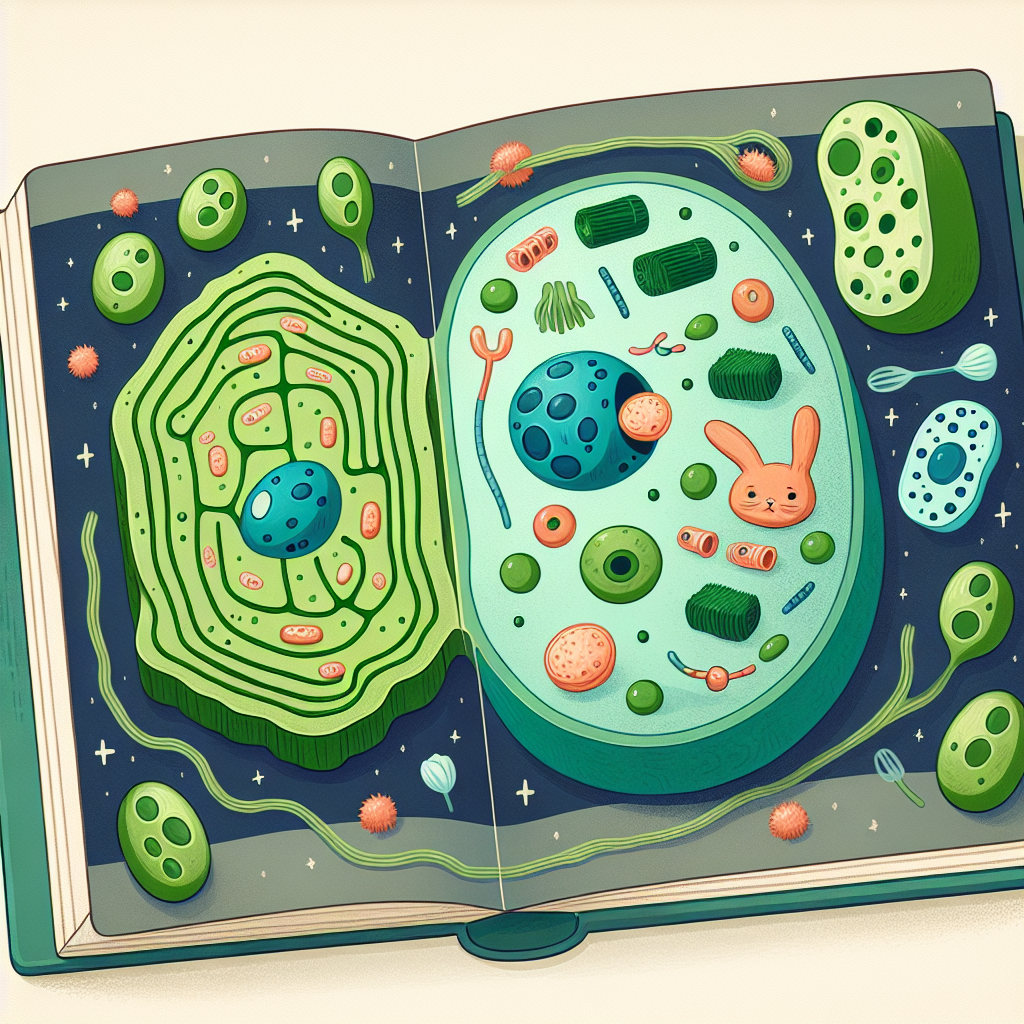
Students will produce a detailed digital 3D model of a cell using TinkerCad, meticulously labeling and explaining each cellular component and its function. Throughout the lesson, they will iteratively update and refine their models to incorporate new insights about cellular interactions and their role in multicellular systems. By the end, students will present their final models, articulating the complexities of cell structure and the significance of cellular functions in maintaining life, showcasing their understanding to peers and receiving constructive feedback for further improvement.

Launch

Students will begin the lesson with a hands-on exploration of everyday objects, such as fruits and veggies, using USB microscopes to observe cellular structures and components. This engages curiosity and sets the stage for comparing these observed components to those in digital models they will create. The class will then discuss initial observations, encouraging students to ask questions and share insights, emphasizing the similarities and differences between plant and animal cell structures.

Exhibition

At the end of the lesson, students will present their TinkerCad-created 3D cell models in a gallery walk format. They will explain the components and functions of their models to peers and engage in discussions that highlight the similarities and differences between plant and animal cells. Additionally, students will facilitate a Q&A session, inviting questions from classmates and offering insights into the role of cellular interactions within larger living systems. This interactive exhibition encourages peer feedback and reflection on the learning process.