High School Grade  Project 2 weeks

Immigration Insights: Math & Science Journey

Cathie R
Critical Thinking & Problem Solving
Collaboration
Effective Communication
Content Expertise
Self Directed Learning
1-pager

Purpose

The project empowers high school juniors to explore real-world immigration challenges through scientific inquiry and innovation, fostering a nuanced understanding of sustainable practices and policies. By integrating mathematics and science within the framework of US immigration law, students develop critical skills while producing concrete solutions relevant to their communities, aligned with CA State Standards. Engaging with community partners like 805 Undocufund, students gain authentic insights and participate in collaborative learning, leading to impactful exhibitions that showcase their journey and conclusions.

Learning goals

Students will delve into scientific inquiry, exploring how mathematical models and scientific principles can be applied to understand and innovate immigration systems. They will engage in collaborative efforts to integrate community insights, presenting their discoveries in a multimedia format that highlights sustainable solutions. Through self-directed learning and continuous reflection, students will gain proficiency in critical thinking, communication, and content expertise, developing a comprehensive understanding of the role science plays in shaping immigration policies.
Competencies
  • Critical Thinking & Problem Solving - Students consider a variety of innovative approaches to address and understand complex questions that are authentic and important to their communities.
  • Collaboration - Students co-design projects with peers, exercise shared-decision making, strengthen relational agency, resolve conflict, and assume leadership roles.
  • Effective Communication - Students practice listening to understand, communicating with empathy, and share their learning through exhibiting, presenting and reflecting on their work.
  • Content Expertise - Students develop key competencies, skills, and dispositions with ample opportunities to apply knowledge and engage in work that matters to them.
  • Self Directed Learning - Students use teacher and peer feedback and self-reflection to monitor and direct their own learning while building self knowledge both in and out of the classroom.

Products

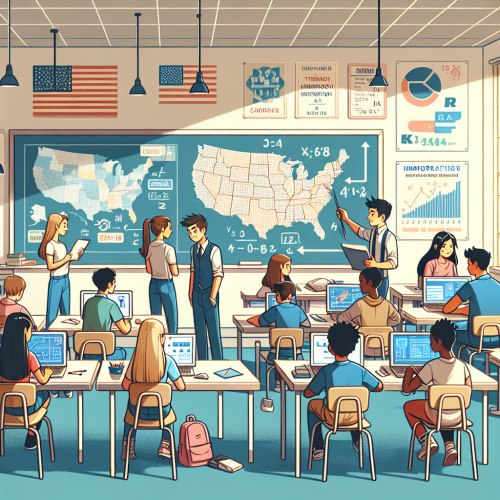
Throughout the project, students will develop individual and collaborative visual representations, such as infographics and flowcharts, that express their insights and proposed solutions on immigration systems. They will also create multimedia presentations analyzing scientific innovations applied to sustainable immigration practices, which can be shared with community partners for feedback. By the project's end, students will produce a comprehensive infographic showcasing the influence of scientific inquiry on immigration policies, complemented by data visualizations indicating trends and future predictions, to be featured in the Immigration Solutions Gallery Walk exhibition.

Launch

Initiate the project with 'Science in Immigration Innovation Day,' featuring interactive sessions led by representatives from 805 Undocufund and local science experts who explore how scientific methods can drive effective immigration policies. Following the panel discussions, engage students in a comprehensive collaborative workshop where they brainstorm sustainable solutions and develop initial ideas for their infographic projects. Encourage students to actively participate in discussions, asking questions and seeking connections between scientific innovation and real-world immigration challenges.

Exhibition

Students will participate in an 'Immigration Solutions Gallery Walk,' displaying infographics, data visualizations, and interactive models they created throughout the project. Peers and community members, including representatives from 805 Undocufund and local science organizations, will engage with students' work, offering feedback and exploring proposed solutions to sustainable immigration practices. This exhibition allows students to present their learnings, communicate the impact of scientific inquiry on immigration policies, and reflect on their process in front of an authentic audience.