High School Grade  Project 4 weeks

Feed & Share: Caring for Our Community

KEITH H
Updated
Critical Thinking & Problem Solving
Collaboration
Effective Communication
Content Expertise
Self Directed Learning
1-pager

Purpose

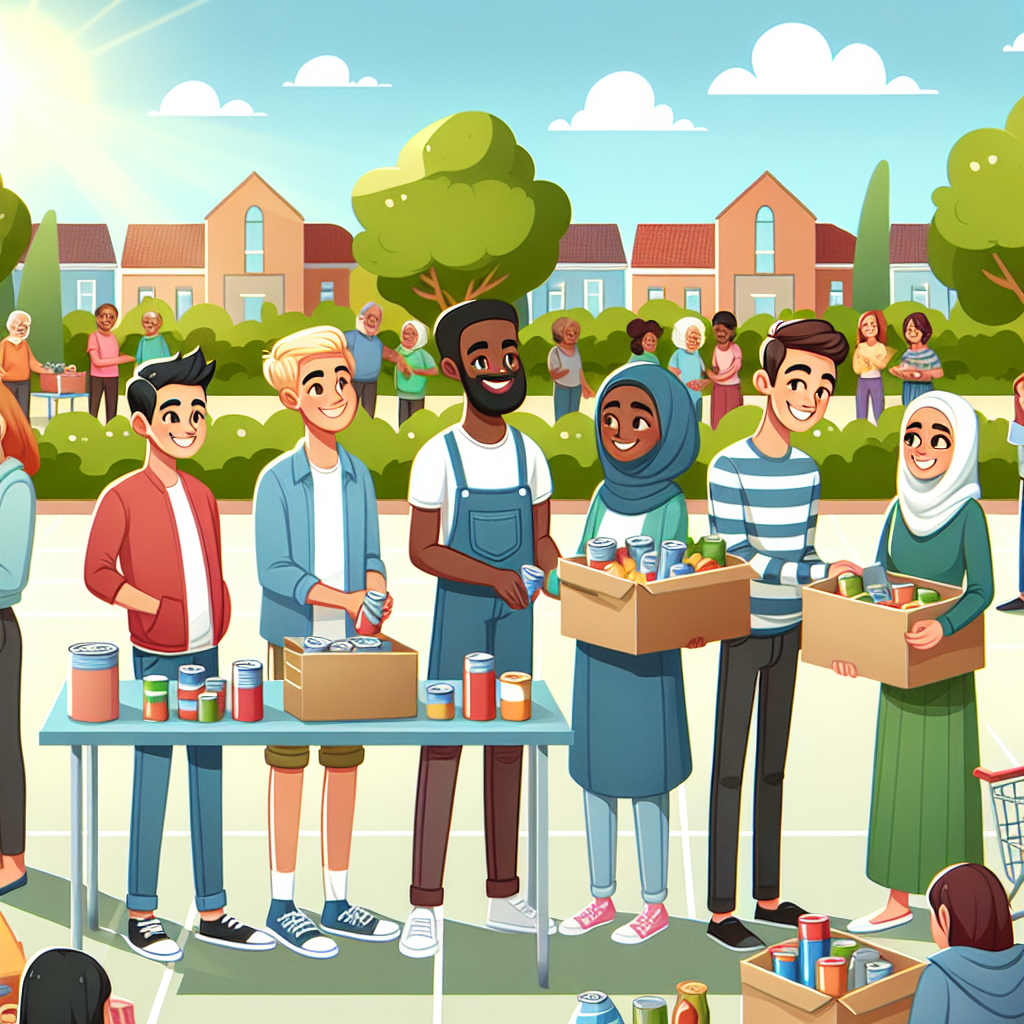
Our project aims to address local food insecurity by engaging high school students in hands-on, impactful community service work. Through collaboration, students will tackle complex questions around organizing a food drive, navigating logistics, and amplifying community voices while focusing on underserved populations. The experience will cultivate critical thinking, effective communication, and collaboration skills, empowering students to lead initiatives and contribute meaningfully to their communities. Students will ultimately showcase their learning and solutions to the broader audience, fostering awareness and driving community-wide engagement.

Learning goals

The learning goals for this experience are to cultivate critical thinking and problem-solving skills by exploring innovative solutions to address food insecurity. Students will strengthen collaboration by co-designing the food drive, exercising shared decision-making, and assuming leadership roles. Effective communication skills will develop through active listening, empathetic dialogue, and expressive presentations, while content expertise will be gained by engaging directly with community needs and stakeholders. Self-directed learning will be honed through peer feedback and reflective practices, empowering students to monitor their progress and make informed decisions.

Competencies
  • Critical Thinking & Problem Solving - Students consider a variety of innovative approaches to address and understand complex questions that are authentic and important to their communities.
  • Collaboration - Students co-design projects with peers, exercise shared-decision making, strengthen relational agency, resolve conflict, and assume leadership roles.
  • Effective Communication - Students practice listening to understand, communicating with empathy, and share their learning through exhibiting, presenting and reflecting on their work.
  • Content Expertise - Students develop key competencies, skills, and dispositions with ample opportunities to apply knowledge and engage in work that matters to them.
  • Self Directed Learning - Students use teacher and peer feedback and self-reflection to monitor and direct their own learning while building self knowledge both in and out of the classroom.

Products

Throughout the project, students will create a detailed food drive strategy document that outlines their planned actions and timelines tailored to local community needs. They will develop and present one-minute elevator pitches to advocate for their initiative, honing their public speaking and persuasive communication skills. In the final week, students will craft presentation materials, including a visual display and handouts for the public speaking event, which will showcase their research, personal reflections, and outcomes from their food drive efforts. Each student will also maintain a reflective journal documenting their learning process and socio-emotional experiences.

Launch

To kick off the project, host a 'Food Justice Fiesta' where students and teacher invite local shelter coordinators and community organizers to school. During the event, attendees will share their narratives and collaboratively brainstorm strategies to combat food insecurity. The event will also feature team-building activities and interactive sessions, fostering partnerships and setting the stage for collective action in the food drive project. Its purpose is to spark student motivation and commitment by illustrating the real impact of their efforts on the community.

Exhibition

At the conclusion of the project, students will hold a school assembly to showcase their food drive initiatives and outcomes to peers, faculty, shelter representatives, and local community leaders. This event will include team presentations detailing their strategies, key learning experiences, and the impact made, accompanied by visual displays and artifacts documenting their journey. The assembly will serve as a platform for students to engage the audience in conversations about food insecurity, inspire community support, and share reflections on personal growth and challenges encountered throughout the project.