High School Grade  Project 6 weeks

Bragg Bold: Change Makers Unite!

Macaella D
D4.7.9-12
Critical Thinking & Problem Solving
Content Expertise
Effective Communication
Academic Mindset
+ 2 more
1-pager

Purpose

This project aims to engage high school students in Fort Bragg, CA, with real-world social and environmental issues affecting their community. Students will explore these issues, design campaigns for change, and actively collaborate with local experts and community members. Through hands-on activities, including campaign development and direct action, students will strengthen critical thinking, effective communication, and collaborative skills. The project's purpose is to help students develop an academic mindset, fostering self-directed learning and enabling them to confidently address authentic questions that matter to them and their community.

Learning goals

Students will concentrate on critical thinking and problem-solving by selecting a local social or environmental issue and developing innovative strategies for change. They will strengthen content expertise as they research their chosen topic through interviews, media, and expert consultations. Effective communication and collaboration skills will be developed as students co-design campaigns, share ideas with peers, and engage with community members. Lastly, students will build academic mindset and self-directed learning capabilities by reflecting on personal growth and project outcomes, setting action-oriented goals, and continuously revising their work based on feedback.
Standards
  • [National Council for the Social Studies] D4.7.9-12 - Assess options for individual and collective action to address local, regional, and global problems by engaging in self-reflection, strategy identification, and complex causal reasoning.
Competencies
  • Critical Thinking & Problem Solving - Students consider a variety of innovative approaches to address and understand complex questions that are authentic and important to their communities.
  • Content Expertise - Students develop key competencies, skills, and dispositions with ample opportunities to apply knowledge and engage in work that matters to them.
  • Effective Communication - Students practice listening to understand, communicating with empathy, and share their learning through exhibiting, presenting and reflecting on their work.
  • Academic Mindset - Students establish a sense of place, identity, and belonging to increase self-efficacy while engaging in critical reflection and action.
  • Self Directed Learning - Students use teacher and peer feedback and self-reflection to monitor and direct their own learning while building self knowledge both in and out of the classroom.
  • Collaboration - Students co-design projects with peers, exercise shared-decision making, strengthen relational agency, resolve conflict, and assume leadership roles.

Products

Throughout the project, students can create digital content such as blogs, videos, and podcasts to raise awareness about their chosen social or environmental issue. As a culminating product, they could organize a community event or workshop, featuring both their digital projects and live presentations to local stakeholders. Collaborating with local partners, students might also develop a series of murals or art installations that visually communicate the message of their campaigns and invite public interaction.

Launch

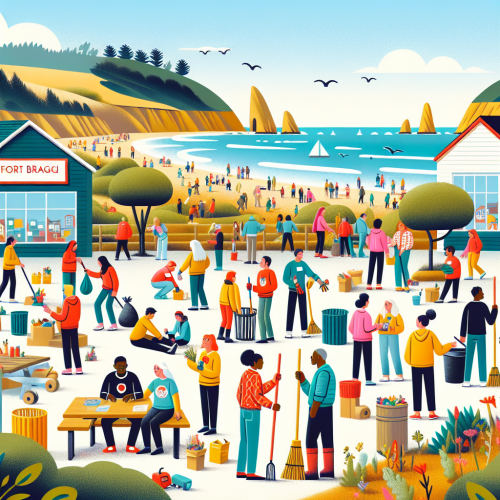
Begin the project with a Community Walk where students visit key social and environmental sites in Fort Bragg, CA, to observe and engage with the issues firsthand. Collaborate with local organization leaders to share brief, impactful narratives, shedding light on the community challenges they address. This immersive experience will serve as a catalyst for students to identify an essential question, sparking curiosity and setting the stage for their project endeavors.

Exhibition

Students will host a community showcase event where they will present their projects through interactive booths, demonstrations, or performances. They can set up visual displays with brochures, videos, and websites created to raise awareness about the local social and environmental issues they have addressed. Organize a celebration rally highlighting their advocacy efforts, inviting community members, local organizations, and media to attend and engage with the students' work. Create opportunities for dialogue and action planning as part of the event, allowing community members to collaborate and commit to the next steps.