2nd Grade
Project
6 weeks
Save the Seas: Art & Animal Adventure!
CCSS.Math.Content.2.NBT.A.1
Self Directed Learning
Academic Mindset
Critical Thinking & Problem Solving
Content Expertise
+ 2 more
1-pager
Purpose
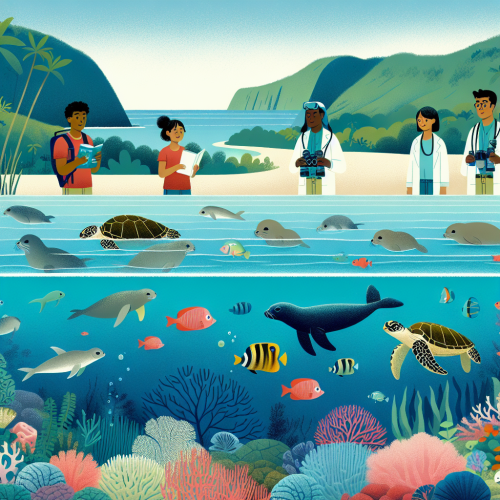
In this project, students will explore the conservation of Hawaiian ocean animals through research, art, and community engagement. They will investigate how they can actively contribute to protecting marine wildlife, fostering a sense of responsibility and connection to their environment. By creating art collages and writing research papers, students will develop critical thinking and communication skills. The project culminates in a presentation to parents and community partners, allowing students to share their learning and advocate for marine conservation.
Learning goals
Students will explore the conservation of Hawaiian ocean animals through research, writing, and art collage, developing a deep understanding of their role in protecting marine wildlife. They will engage in self-directed learning, using feedback and reflection to guide their research on a specific marine animal, culminating in a research paper. Through collaborative art projects, students will express their findings creatively, enhancing their communication skills. The project will foster critical thinking as students consider innovative solutions to conservation challenges, and students will present their work to parents and community partners, reinforcing their sense of belonging and identity.
Standards
- [Common Core] CCSS.Math.Content.2.NBT.A.1 - Understand that the three digits of a three-digit number represent amounts of hundreds, tens, and ones; e.g., 706 equals 7 hundreds, 0 tens, and 6 ones. Understand the following as special cases:
Competencies
- Self Directed Learning - Students use teacher and peer feedback and self-reflection to monitor and direct their own learning while building self knowledge both in and out of the classroom.
- Academic Mindset - Students establish a sense of place, identity, and belonging to increase self-efficacy while engaging in critical reflection and action.
- Critical Thinking & Problem Solving - Students consider a variety of innovative approaches to address and understand complex questions that are authentic and important to their communities.
- Content Expertise - Students develop key competencies, skills, and dispositions with ample opportunities to apply knowledge and engage in work that matters to them.
- Effective Communication - Students practice listening to understand, communicating with empathy, and share their learning through exhibiting, presenting and reflecting on their work.
- Collaboration - Students co-design projects with peers, exercise shared-decision making, strengthen relational agency, resolve conflict, and assume leadership roles.
Products
Throughout the project, students will create an art collage representing the diverse marine life found in Hawaiian waters, incorporating elements of math by counting and grouping species. They will conduct research and write a paper on a specific Hawaiian ocean animal, focusing on its habitat, threats, and conservation efforts. At the end of the project, students will present their findings and art collages to parents and community partners, showcasing their understanding and commitment to protecting marine wildlife.
Launch
To kick off the project, organize a virtual field trip to a Hawaiian marine sanctuary where students can observe ocean animals in their natural habitat. Following the virtual tour, facilitate a class discussion on the importance of marine conservation and the role students can play in protecting these animals. Encourage students to share their initial thoughts and questions about marine wildlife, setting the stage for their research and creative projects.
Exhibition
Students will create an art collage representing their chosen Hawaiian marine animal, showcasing their research findings and conservation efforts. They will present their collages and research papers to parents and community partners during a special exhibition event. Each student will explain their animal's significance and share actionable steps for protecting marine wildlife, fostering a sense of community involvement and environmental stewardship.
Plan
| Week 1 |
Day 1
|
Day 2
|
Day 3
|
Day 4
|
|---|---|---|---|---|
| Activities |
Virtual Marine Sanctuary Visit - Students will participate in a virtual tour of a Hawaiian marine sanctuary to observe ocean animals and discuss initial thoughts on marine conservation. (20 min)
Class Discussion on Marine Conservation - Facilitate a class discussion where students share their observations from the virtual tour and express their thoughts on the importance of protecting marine life. (25 min)
|
Essential Question Exploration - Introduce the essential question: 'What can I do to help protect marine wildlife in Hawaii?' and brainstorm ideas with students on how they can contribute to conservation efforts. (20 min)
Introduction to Hawaiian Marine Animals - Present a variety of Hawaiian marine animals, highlighting their unique features and the importance of their conservation. Encourage students to ask questions and express curiosity. (25 min)
|
Research Skills Workshop - Teach students basic research skills, including how to gather information from books and reliable online resources about marine animals. (25 min)
Choosing a Marine Animal - Students select a specific Hawaiian marine animal to research, fostering a sense of ownership and personal interest in their project. (20 min)
|
Self-Reflection Session - Guide students in reflecting on their learning journey so far, encouraging them to consider their connection to the environment and their role in conservation. (20 min)
Art Collage Planning - Begin planning the art collage project by sketching ideas and discussing which aspects of their chosen marine animal they will represent in their artwork. (25 min)
|
| Deliverables |
1. Students will complete a reflection journal entry about their virtual field trip experience and initial thoughts on marine conservation.
2. Each student will choose a Hawaiian ocean animal for their research project and record initial observations and questions. 3. Begin the art collage project by selecting images and materials that represent their chosen marine animal. 4. Participate in a class discussion and share ideas on how they can contribute to marine conservation. 5. Complete a simple outline for their research paper, identifying key topics such as habitat, threats, and conservation efforts. |
|||
| Preparation |
1. Organize a virtual field trip to a Hawaiian marine sanctuary and ensure access to necessary technology for all students.
2. Prepare a list of Hawaiian ocean animals for students to choose from for their research projects. 3. Gather art supplies for the collage project, including magazines, construction paper, glue, scissors, and markers. 4. Create a visual aid or slideshow to facilitate the class discussion on marine conservation. 5. Prepare a handout with guidelines for the research paper, including a simple template for students to follow. 6. Set up a classroom display area where students can showcase their collages and research findings. 7. Coordinate with a local marine biologist or conservation expert for a guest speaker session, if feasible. |
|||
| Week 2 |
Day 5
|
Day 6
|
Day 7
|
Day 8
|
|---|---|---|---|---|
| Activities |
Research Kickoff - Introduce the concept of research and select a Hawaiian ocean animal to focus on. Discuss what makes a good research question. (20 min)
Research Brainstorm - Students brainstorm questions they have about their chosen animal, focusing on habitat, diet, and threats. (25 min)
|
Guided Research - Introduce students to age-appropriate research tools such as books and educational websites. Begin gathering information on their chosen ocean animal. (30 min)
|
Refining Research - Continue gathering information, focusing on conservation efforts related to their animal. Use teacher and peer feedback to refine research questions. (25 min)
Introduction to Art Collage - Discuss how to represent their research creatively through art. Sketch initial ideas for the collage. (20 min)
|
Art Collage Creation - Begin creating art collages using gathered research. Emphasize representing habitat, diet, and threats creatively. (25 min)
Reflection and Sharing - Students share their research progress and art sketches with peers, providing and receiving constructive feedback. (20 min)
|
| Deliverables |
1. Completed research template with information on the chosen marine animal.
2. Initial group art collage showcasing the ocean habitat of students' chosen marine animals. 3. A list of student-generated conservation activities to protect their selected marine animals. |
|||
| Preparation |
1. Gather picture cards and resources about Hawaiian ocean animals for the identification session.
2. Prepare research templates for students to organize information about their chosen marine animal. 3. Collect recycled materials such as magazines, newspapers, cardboard, and fabric scraps for the collage project. 4. Create a list of conservation activities and resources to inspire student brainstorming sessions. |
|||
| Week 3 |
Day 9
|
Day 10
|
Day 11
|
Day 12
|
|---|---|---|---|---|
| Activities |
Research Paper Outline - Guide students in creating an outline for their research paper on their chosen Hawaiian marine animal, focusing on habitat, threats, and conservation efforts. (25 min)
Peer Feedback Session - Pair students to share their outlines and provide constructive feedback to each other, fostering collaboration and communication skills. (20 min)
|
Drafting the Research Paper - Begin writing the first draft of the research paper using the outline as a guide, emphasizing clear communication of ideas and supporting details. (30 min)
Math Integration - Introduce a mini-lesson on counting and grouping marine animals, connecting math concepts to their research papers and art collages. (15 min)
|
Art Collage Creation - Start the hands-on process of creating the art collage, selecting materials and arranging elements that represent marine life and conservation themes. (30 min)
Self-Reflection Journaling - Reflect on the progress made in both research and art projects, considering personal learning and environmental connection. (15 min)
|
Revise Research Paper - Review and revise the first draft of the research paper, incorporating peer and teacher feedback to enhance clarity and depth. (25 min)
Collaborative Art Discussion - Discuss the ongoing art collages in small groups, sharing ideas and strategies for effectively representing their chosen marine animals. (20 min)
|
| Deliverables |
1. Selection of a specific Hawaiian marine animal for research.
2. Completion of the initial research phase with notes on habitat, threats, and conservation efforts. 3. Progress on the art collage depicting the chosen marine animal. 4. Draft of the research paper with peer feedback incorporated. |
|||
| Preparation |
1. Gather books, videos, and online resources about Hawaiian marine animals.
2. Prepare art materials such as recycled paper, glue, scissors, and other craft supplies. 3. Create templates for the research paper's outline to guide student writing. 4. Set up a peer feedback session by organizing students into small groups. |
|||
| Week 4 |
Day 13
|
Day 14
|
Day 15
|
Day 16
|
|---|---|---|---|---|
| Activities |
Research Paper Drafting - Continue writing the research paper, focusing on organizing information about the chosen marine animal and its conservation. (25 min)
Peer Review Session - Exchange drafts with a partner for peer review, providing constructive feedback on clarity and detail. (20 min)
|
Research Paper Revisions - Use peer feedback to revise and enhance the research paper, ensuring information is clear and accurate. (30 min)
Art Collage Refinement - Refine art collages by adding details and improving visual representation of marine animals and their habitats. (15 min)
|
Math Connection Activity - Integrate math by creating a chart that represents the number of different species in the collage, focusing on grouping and counting. (20 min)
Final Touches on Art Collage - Complete any remaining elements on the art collage, ensuring all chosen aspects of the marine animal are represented. (25 min)
|
Exhibition Preparation - Practice presenting research findings and art collages, focusing on clear communication and confidence. (25 min)
Group Reflection - Reflect on the week's progress and discuss ways to ensure readiness for the exhibition event. (20 min)
|
| Deliverables |
1. Completed research outlines or mind maps for each student's chosen marine animal.
2. Draft versions of research papers focusing on the habitat, threats, and conservation efforts of their chosen animal. 3. Peer feedback forms completed during the peer review session. |
|||
| Preparation |
1. Gather age-appropriate books, articles, and digital resources about Hawaiian marine animals.
2. Prepare graphic organizer templates to help students organize their research findings. 3. Set up a classroom library or digital resource center with the gathered materials. 4. Create a feedback form or checklist to guide peer review sessions. 5. Ensure access to writing materials, such as paper, pencils, and digital devices for drafting papers. |
|||
| Week 5 |
Day 17
|
Day 18
|
Day 19
|
Day 20
|
|---|---|---|---|---|
| Activities |
Final Research Paper Drafting - Students focus on completing the final draft of their research paper, ensuring it includes details about the habitat, threats, and conservation efforts related to their chosen marine animal. (25 min)
Peer Review and Feedback - Exchange papers with peers for a final round of feedback, concentrating on clarity, accuracy, and completeness of information. (20 min)
|
Incorporating Feedback - Revise research papers based on peer feedback, making any necessary adjustments to enhance the quality of the content. (25 min)
Art Collage Completion - Finalize the art collages, adding any last details to fully represent the selected marine animal's ecosystem and conservation themes. (20 min)
|
Presentation Skills Workshop - Practice presenting research findings and art collages, focusing on clear articulation and using visual aids effectively. (25 min)
Rehearsal and Feedback - Conduct mock presentations in small groups, offering constructive feedback to peers to build confidence and presentation skills. (20 min)
|
Exhibition Preparation - Organize and prepare materials for the upcoming exhibition, ensuring all research papers and art collages are ready to be showcased. (25 min)
Reflective Journaling - Reflect on the learning journey throughout the project, considering personal growth, new insights about marine conservation, and future actions. (20 min)
|
| Deliverables |
1. Students will complete a draft of their research paper on their chosen Hawaiian marine animal, incorporating feedback from peers and teachers.
2. Each student will create a detailed art collage representing their researched marine animal, highlighting its habitat and conservation challenges. 3. Students will prepare a short oral presentation to accompany their collage, explaining their research findings and proposed conservation efforts. 4. A peer feedback form filled out by students, providing constructive feedback on a classmate's research paper and collage. 5. Self-reflection notes where students assess their learning progress and set goals for the final week of the project. |
|||
| Preparation |
1. Gather a variety of art supplies for creating collages, such as colored paper, magazines, glue, scissors, and markers.
2. Prepare digital resources or printed materials that provide information on different Hawaiian marine animals. 3. Set up a collaborative space for students to work on their art collages and share materials. 4. Organize a peer feedback session by creating feedback forms and guiding questions. 5. Ensure technology is available for students to type up their research papers, such as tablets or computers. |
|||
| Week 6 |
Day 21
|
Day 22
|
Day 23
|
Day 24
|
|---|---|---|---|---|
| Activities |
Final Research Paper Review - Conduct a final review of the research paper, ensuring all necessary revisions are made and the paper is polished for presentation. Students will focus on clarity, accuracy, and the inclusion of key information about their chosen marine animal. (25 min)
Art Collage Completion - Complete the art collage, making any final adjustments and ensuring that it effectively represents the chosen marine animal and its conservation needs. (20 min)
|
Presentation Practice - Students practice presenting their research papers and art collages to peers. Emphasis will be on clear communication, engaging the audience, and effectively conveying their conservation message. (30 min)
Peer Feedback Session - Students provide and receive feedback on their presentations, focusing on strengths and areas for improvement. This will help refine their presentations for the exhibition. (15 min)
|
Rehearsal for Exhibition - Conduct a full rehearsal of the presentation, allowing students to run through their entire presentation from start to finish. Focus on timing, transitions, and confidence. (25 min)
Reflection and Self-Assessment - Students reflect on their learning journey throughout the project, considering their growth in research, art, and communication skills. They will self-assess their readiness for the exhibition. (20 min)
|
Exhibition Event Setup - Students assist in setting up the exhibition space, arranging their art collages and ensuring their research papers are ready for viewing. This fosters a sense of responsibility and ownership. (20 min)
Exhibition Presentation - Students present their research papers and art collages to parents and community partners, sharing their findings and advocating for marine conservation. They will engage with the audience and answer questions. (25 min)
|
| Deliverables |
1. Completed and polished research paper on a Hawaiian marine animal.
2. Finalized art collage representing the chosen marine animal and its ecosystem. 3. Prepared and practiced presentation for exhibition day. 4. Reflection piece on the project experience, focusing on personal growth and understanding of marine conservation. |
|||
| Preparation |
1. Ensure all students have access to their completed research papers and collages.
2. Arrange the classroom or a designated space for the exhibition, with areas for each student to display their work. 3. Prepare presentation materials, such as a microphone or visual aids, if needed. 4. Coordinate with parents and community partners to attend the exhibition event. 5. Set up a feedback system where audience members can leave comments or ask questions. |
|||