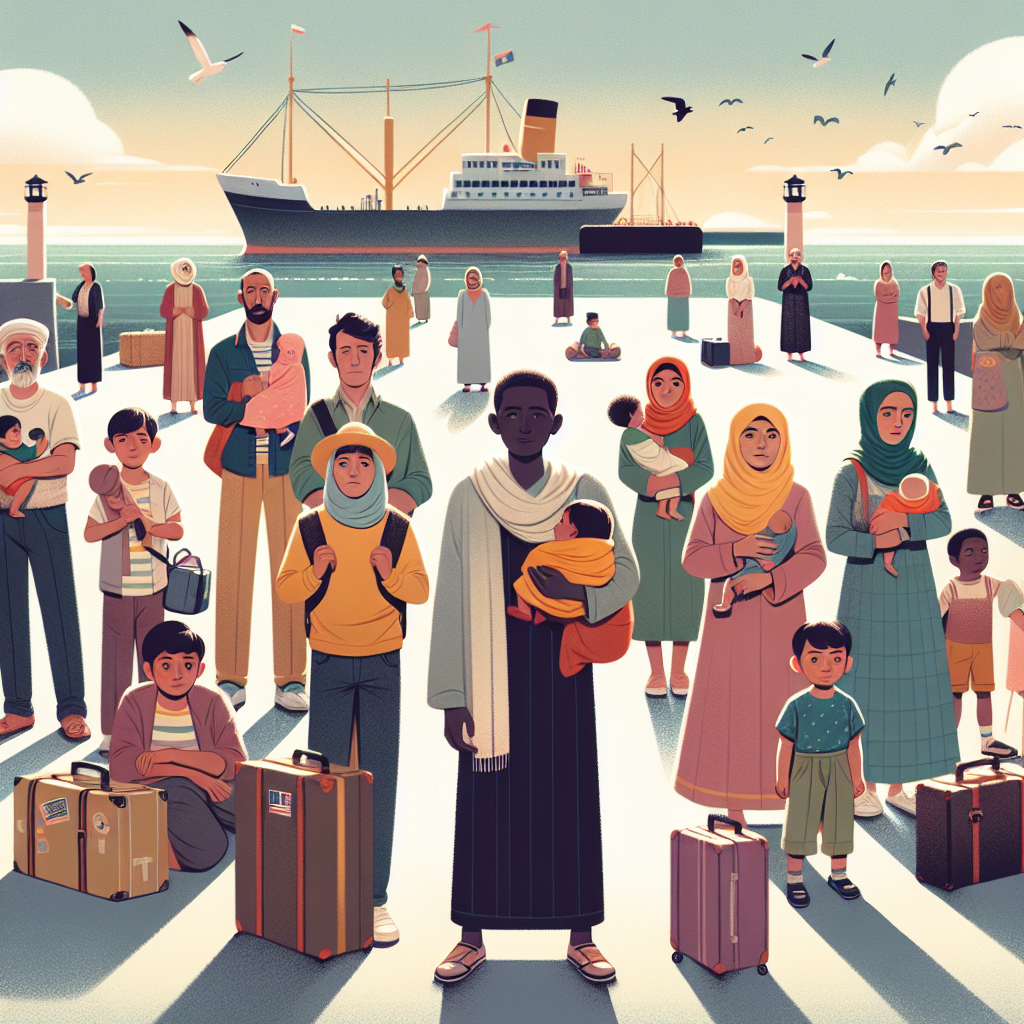
The purpose of this project is to immerse students in the historical experience of immigrants to the United States around the turn of the 20th century, fostering empathy and understanding through hands-on activities and critical reflection. By engaging with historical maps, personal narratives, and multimedia presentations, students will explore the diverse cultural, social, and economic impacts on immigrant lives and communities. This project encourages students to critically analyze historical contexts, develop a sense of identity and belonging, and enhance their self-directed learning skills as they navigate complex questions relevant to their communities.
Learning goals
Students will develop an understanding of the immigrant experience in the United States around the turn of the 20th century by engaging in map analysis and multimedia creation. They will cultivate skills in critical thinking and problem-solving through exploring diverse perspectives and historical contexts. Students will also enhance self-directed learning and academic mindset by reflecting on their own learning journey and establishing a sense of identity and belonging.
Standards
[Kentucky] HS.C.I.CC.1 - Engage in civil discussion, reach consensus when appropriate and respect diverse opinions relevant to compelling and/or supporting questions in civics.
[] HS.UH.I.UE.2 - Gather information and evidence from credible sources representing a variety of perspectives relevant to compelling and/or supporting questions in U.S. history.
[] HS.UH.CO.2 - Evaluate domestic responses to migration and immigration in the United States from 1877-present.
Competencies
Self Directed Learning - Students use teacher and peer feedback and self-reflection to monitor and direct their own learning while building self knowledge both in and out of the classroom.
Academic Mindset - Students establish a sense of place, identity, and belonging to increase self-efficacy while engaging in critical reflection and action.
Critical Thinking & Problem Solving - Students consider a variety of innovative approaches to address and understand complex questions that are authentic and important to their communities.
Products
Students will collaboratively design and create a multimedia presentation that integrates maps, photographs, and personal narratives of immigrants from the early 1900s. This presentation will highlight the cultural, social, and economic impacts on immigrant lives and communities. Additionally, students will write an end-of-unit essay reflecting on the immigrant experience and the factors that influenced their journey and settlement in the United States.
Launch
Begin the project with an 'Immigrant Journey Simulation,' where students are assigned identity cards representing historical immigrants. They will navigate through interactive stations that mimic the challenges faced during immigration, such as Ellis Island processing, finding housing, and securing employment. This immersive experience will set the stage for understanding the complexities of immigrant life and spark curiosity about the cultural, social, and economic conditions of the early 1900s.
Exhibition
Students will present their multimedia projects to the school administration in an interactive exhibition. They will set up stations that represent different aspects of the immigrant experience, using their maps, photographs, and personal narratives to guide visitors through the historical journey. Students will engage with the audience, answer questions, and facilitate discussions, allowing them to demonstrate their understanding and reflect on the historical significance of immigration in shaping the United States.