All grades  Lesson 45 minutes

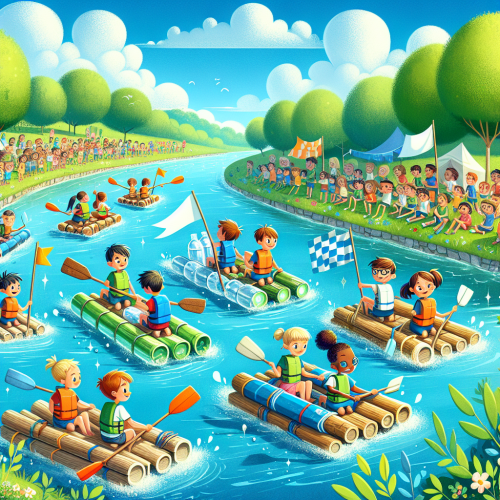
Recycled Raft Regatta Challenge!

Katie M
K-2.AF.6.2
3-5.AF.2.5
3-5.AF.1.5
Self Directed Learning
Academic Mindset
+ 1 more
1-pager

Purpose

This learning experience aims to engage students in a hands-on exploration of buoyancy through the design and construction of a floating structure using recycled materials. By fostering creativity and collaboration, students will develop critical thinking skills as they iterate on their designs to meet specific criteria. The project encourages self-directed learning and reflection, allowing students to understand the principles of buoyancy and material selection while connecting their work to real-world applications and community relevance.

Learning goals

Students will understand the principles of buoyancy and how different materials impact a boat's ability to float and carry weight. They will develop skills in designing, building, and testing prototypes using recycled materials, fostering creativity and problem-solving. Additionally, students will engage in self-directed learning and reflection, using feedback to iterate and improve their designs, while building a sense of identity and belonging through collaborative work and community engagement.
Standards
  • [Next Generation Science Standards] K-2.AF.6.2 - Use tools and/or materials to design and/or build a device that solves a specific problem or a solution to a specific problem.
  • [Next Generation Science Standards] 3-5.AF.2.5 - Develop a diagram or simple physical prototype to convey a proposed object, tool, or process.
  • [Next Generation Science Standards] 3-5.AF.1.5 - Define a simple design problem that can be solved through the development of an object, tool, process, or system and includes several criteria for success and constraints on materials, time, or cost.
Competencies
  • Self Directed Learning - Students use teacher and peer feedback and self-reflection to monitor and direct their own learning while building self knowledge both in and out of the classroom.
  • Academic Mindset - Students establish a sense of place, identity, and belonging to increase self-efficacy while engaging in critical reflection and action.
  • Critical Thinking & Problem Solving - Students consider a variety of innovative approaches to address and understand complex questions that are authentic and important to their communities.

Products

Students will create a functional raft or boat using recycled materials, designed to float and carry a load such as Lego minifigs or pennies. Throughout the process, they will develop sketches and prototypes, documenting their design iterations in a 'Testing and Reflection Log.' By the end of the lesson, students will have a refined, buoyant structure that they can take home to share with their families.

Launch

Begin the lesson with a hands-on exploration of buoyancy by providing students with various recycled materials and small water containers. Encourage them to test which materials float or sink, sparking curiosity and discussion about why certain materials behave differently in water. Facilitate a collaborative brainstorming session where students share their discoveries and initial ideas for boat designs, emphasizing the importance of using recycled materials effectively for buoyancy and stability.

Exhibition

At the end of the lesson, students will showcase their raft or boat designs by taking them home to share with their families, highlighting the use of recycled materials and the problem-solving process they engaged in. Encourage students to explain the design improvements they made and how they ensured buoyancy and stability to their families. Additionally, consider organizing a mini-regatta in the classroom or schoolyard where students can demonstrate their boats floating and carrying weight, inviting community partners and families to witness the culmination of their learning experience.