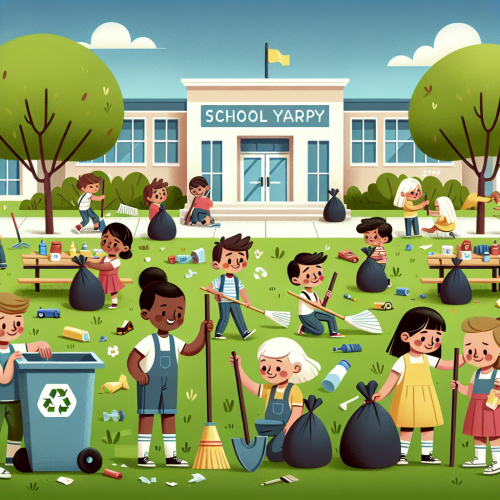
This project aims to engage students in hands-on, real-world learning by investigating and addressing environmental issues directly impacting their school campus. Through collaborative efforts with community partners and environmental experts, students will develop innovative solutions to reduce waste, fostering critical thinking and problem-solving skills. The experience will encourage self-directed learning and reflection, helping students build a deeper understanding of their role in promoting sustainability and maintaining ecosystem services.
Learning goals
Students will develop scientific inquiry skills by conducting a campus waste audit to identify prevalent waste types. They will apply critical thinking and problem-solving to design innovative packaging solutions that minimize environmental impact. Through collaboration with community partners, students will enhance their understanding of sustainability and eco-friendly design principles. Additionally, students will cultivate self-directed learning and academic mindset competencies by reflecting on their progress and engaging with feedback throughout the project.
Standards
[Next Generation Science Standards] MS-ESS3-3 - Apply scientific principles to design a method for monitoring and minimizing a human impact on the environment.
[Next Generation Science Standards] MS-LS2-5 - Evaluate competing design solutions for maintaining biodiversity and ecosystem services.
[Next Generation Science Standards] MS-ESS3-3 - Apply scientific principles to design a method for monitoring and minimizing a human impact on the environment.
Competencies
Self Directed Learning - Students use teacher and peer feedback and self-reflection to monitor and direct their own learning while building self knowledge both in and out of the classroom.
Academic Mindset - Students establish a sense of place, identity, and belonging to increase self-efficacy while engaging in critical reflection and action.
Critical Thinking & Problem Solving - Students consider a variety of innovative approaches to address and understand complex questions that are authentic and important to their communities.
Products
Throughout the project, students will create a series of eco-friendly packaging prototypes using the most common waste materials identified from the campus waste audit. These prototypes will be iteratively refined based on feedback from community partners and packaging experts. By the end of the project, students will have developed a comprehensive portfolio that includes their reflection journals, design process documentation, and the final presentation of their innovative packaging solutions at the 'Trash to Treasure Fair'.
Launch
Kick off the project with a dynamic 'Trash Talk Workshop' where students participate in hands-on activities led by environmental experts and community partners. These interactive sessions will provide students with insights into waste management practices and inspire them with real-world examples of innovative solutions. Students will engage in group discussions and brainstorming activities to start identifying potential waste issues on campus, setting a collaborative tone for their project journey.
Exhibition
Organize a 'Trash to Treasure Fair' where students display their eco-friendly packaging prototypes, inviting families, local community members, and environmental organizations to engage with their innovative solutions. Set up interactive stations where students can demonstrate the design process and discuss the impact of their projects on campus waste reduction. Encourage visitors to participate in discussions about sustainability and provide feedback, fostering a collaborative environment that values student contributions and promotes community awareness.
Learning Journey
Project Activities
Days 1 - 20
Milestone Activities
No activities have been added to this phase yet.
Edit Phase
Loading...
Plan
Week 1
Day 1
Day 2
Day 3
Day 4
Day 5
Phase
Project Activities
Activities
Project Introduction and Essential Question Exploration