All grades
Project
4 weeks
Renaissance Revelry: A Fair to Remember!
1-pager
Purpose
The purpose of this Renaissance Fair project is to immerse 7th-grade students in the exploration of the Renaissance era through hands-on, collaborative experiences. By dividing the project into thematic sections, students will delve deeply into the art, literature, scientific advancements, and daily life of the period, fostering a comprehensive understanding of how these historical innovations continue to influence the modern world. This project aims to cultivate critical thinking, creativity, and communication skills as students engage with historical content and present their findings to younger peers, making history both accessible and engaging.
Learning goals
Students will develop a comprehensive understanding of the Renaissance era, including its key figures, innovations, and cultural impacts. They will enhance research skills by analyzing historical contributions and presenting them through creative formats such as living history presentations and theatrical performances. Students will apply engineering and artistic principles in hands-on projects, fostering critical thinking and problem-solving abilities. Through peer feedback and reflection, students will refine their communication and collaboration skills, gaining insights into the relevance of Renaissance ideas in shaping the modern world.
Products
Students will create interactive booths at the Renaissance Fair, each designed to educate younger students about their specific topic. These booths will feature living history presentations, scale architectural models, theatrical performances, science experiments, and collaborative art projects. Additionally, students will produce posters that visually represent their research findings and insights, serving as an informative backdrop to their booth activities.
Launch
Begin the project with an immersive 'Renaissance Workshop' series where students rotate through hands-on stations. These stations could include activities like writing with quills, sketching with charcoal, and crafting simple musical instruments. This experience allows students to directly engage with the skills and crafts of the Renaissance, setting the stage for deeper exploration and understanding of the era's impact on the modern world.
Exhibition
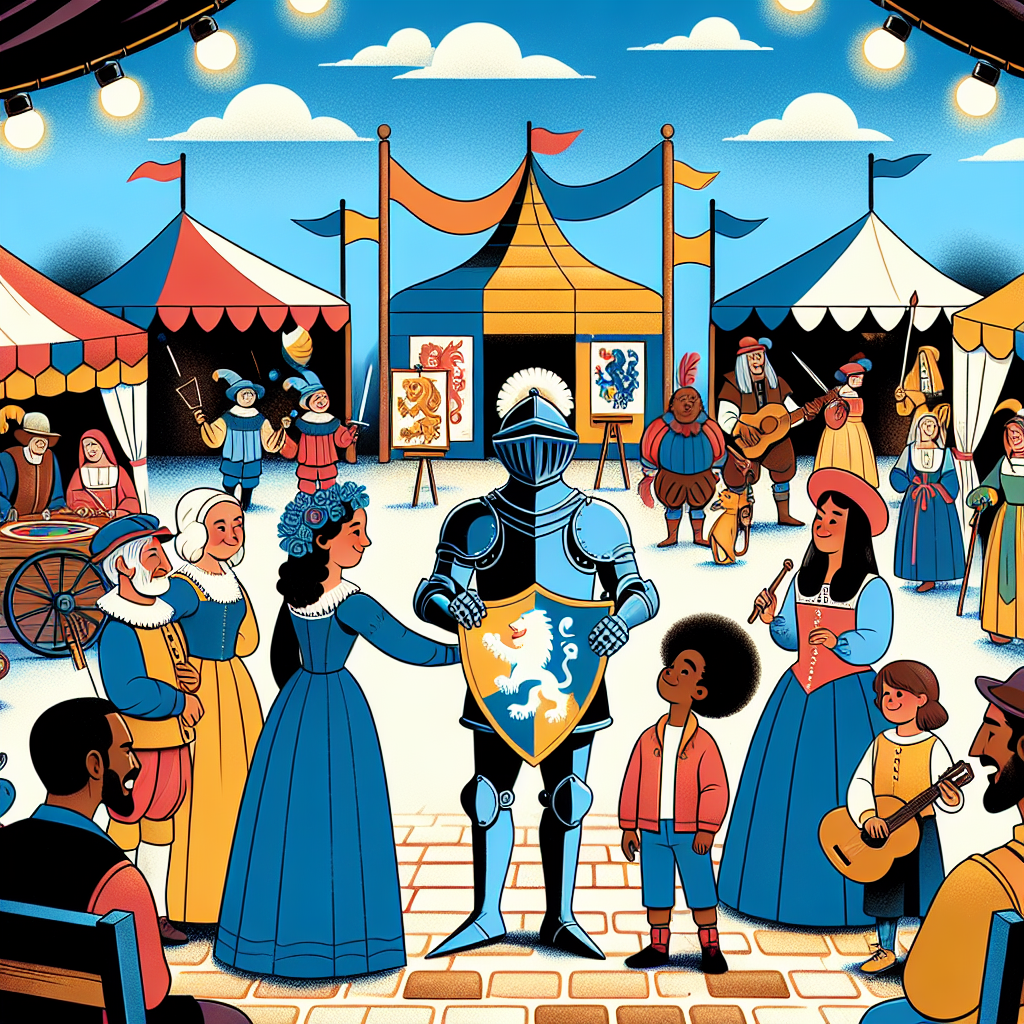
The Renaissance Fair will be divided into four thematic sections, each showcasing the students' research and creations. Art students will display their recreated paintings and architectural models, while authors and philosophers will perform skits and living history presentations. The science and math group will conduct interactive experiments, demonstrating Renaissance discoveries. Meanwhile, the daily life section will feature booths with artifacts and narratives about the societal roles and lifestyles of the era. Younger students will rotate through each section, engaging with hands-on activities and presentations.
Plan
| Week 1 |
Day 1
|
Day 2
|
Day 3
|
Day 4
|
Day 5
|
|---|---|---|---|---|---|
| Activities |
Renaissance Workshop Kickoff - Introduce the project with an interactive 'Renaissance Workshop' where students rotate through stations to write with quills, sketch with charcoal, and craft simple musical instruments, setting the stage for their exploration of Renaissance skills (45 min)
|
Exploration of Renaissance Figures - Students research key Renaissance figures like Leonardo da Vinci and Galileo, drafting initial ideas for their living history presentations to understand their contributions (45 min)
|
Innovations and Ideas Brainstorm - Facilitate a brainstorming session where students list and discuss various innovations from the Renaissance, linking them to their impact on the modern world (20 min)
Reflection Wall Setup - Students create their first reflection note on the 'Reflection Wall', sharing their initial thoughts and discoveries about the Renaissance (25 min)
|
Designing Living History Presentations - Students begin drafting scripts and gathering materials for their living history presentations, embodying their chosen historical figures (45 min)
|
Renaissance Architecture Introduction - Introduce the concept of Renaissance architectural innovations and guide students in sketching designs for their scale models (20 min)
Reflect and Share - Students share their initial progress on their living history presentations and model designs, receiving peer feedback (25 min)
|
| Deliverables |
1. Draft of living history presentation on a key Renaissance figure
2. First set of reflections posted on the Reflection Wall |
||||
| Preparation |
1. Gather materials for the Renaissance Workshop stations, including charcoal, quills, parchment paper, and materials for crafting musical instruments
2. Prepare research resources such as books, articles, and digital content on key Renaissance figures 3. Set up the Reflection Wall in the classroom with sticky notes and pens 4. Create brainstorming prompts and discussion materials for exploring the essential question |
||||
| Week 2 |
Day 6
|
Day 7
|
Day 8
|
Day 9
|
Day 10
|
|---|---|---|---|---|---|
| Activities |
Renaissance Figures Deep Dive - Students continue researching their chosen Renaissance figures, focusing on their contributions and preparing detailed outlines for their living history presentations (30 min)
Reflection Note - Students update their 'Reflection Wall' with insights from their research, sharing how these figures influenced the modern world (15 min)
|
Script Writing for Living History - Students draft scripts for their living history presentations, incorporating historical facts and personal anecdotes to bring their characters to life (45 min)
|
Peer Review of Scripts - Students exchange scripts with peers for feedback, focusing on historical accuracy and engagement, then refine their presentations based on suggestions (25 min)
Renaissance Architecture Exploration - Students begin constructing scale models of Renaissance architectural innovations, applying engineering principles discussed in Week 1 (20 min)
|
Model Building Workshop - Students continue working on their architectural models, focusing on structural integrity and historical accuracy, while documenting their process (45 min)
|
Collaborative Art Project Initiation - Students are introduced to the collaborative art project where they will recreate a famous Renaissance painting, assigning roles and tasks (20 min)
Reflection and Share Session - Students present their progress on living history presentations and architectural models, receiving group feedback and updating the 'Reflection Wall' with new learnings (25 min)
|
| Deliverables |
1. A first-person narrative script for the living history presentation of a Renaissance figure.
2. A recreated Renaissance painting using modern materials, along with a written explanation of the historical techniques and significance. 3. Documentation of the science experiments, including step-by-step instructions and expected outcomes, to be shared during the Renaissance Fair. |
||||
| Preparation |
1. Gather materials for the art project, including canvases, paints, brushes, and other necessary tools for recreating a Renaissance painting.
2. Collect resources and research materials on key Renaissance figures to assist students in their research and presentation preparation. 3. Prepare materials for science experiments, such as simple lab equipment and instructions, to facilitate student-led demonstrations. 4. Set up the 'Reflection Wall' with sticky notes and a dedicated space for students to post their reflections each week. |
||||
| Week 3 |
Day 11
|
Day 12
|
Day 13
|
Day 14
|
Day 15
|
|---|---|---|---|---|---|
| Activities |
Renaissance Innovation Booth Planning - Students outline the interactive elements for their Renaissance Time Travel Experience booths, focusing on hands-on activities and demonstrations that highlight key innovations (30 min)
Reflection Wall Update - Students add a new note to the Reflection Wall, capturing their learning progress and insights on Renaissance innovations (15 min)
|
Interactive Booth Design - Students design visual elements and gather materials for their booths, ensuring clarity and engagement for younger visitors (45 min)
|
Living History Presentation Rehearsal - Students practice their living history presentations, focusing on delivery and engagement, while peers offer constructive feedback (25 min)
Finalizing Architectural Models - Students put finishing touches on their scale models, preparing to explain the engineering principles and historical context to visitors (20 min)
|
Collaborative Art Project Continuation - Students work on their assigned tasks for the collaborative art project, ensuring historical accuracy and quality in their recreation of the Renaissance painting (25 min)
Science Experiment Preparation - Students prepare materials and practice conducting their Renaissance science experiments, ready to guide younger students through the process (20 min)
|
Renaissance Marketplace Setup - Students organize and decorate their stalls for the Renaissance Marketplace, planning mini-lessons and storytelling sessions to convey the relevance of their chosen innovations (30 min)
Reflection and Peer Feedback - Students share their booth designs and presentation plans with peers, incorporating feedback and updating the Reflection Wall with their reflections on the week's progress (15 min)
|
| Deliverables |
1. Completed living history presentations, ready for peer review and feedback.
2. Scale models of Renaissance architectural innovations displayed and accompanied by explanatory notes. 3. Scripts and rehearsals of theatrical plays or skits prepared for final performance. 4. Science experiment demonstrations set up and practiced for clarity and engagement. 5. Recreated Renaissance painting completed and presented with historical context. |
||||
| Preparation |
1. Gather materials for model building, including cardboard, foam, glue, and paints.
2. Provide costumes and props for living history presentations and theatrical skits. 3. Source materials and equipment for science experiments, such as weights, pulleys, and measurement tools. 4. Set up art supplies for the collaborative painting project, including canvases, brushes, and paints. 5. Organize rehearsal spaces and schedules for presentations and plays, ensuring all groups have adequate practice time. |
||||
| Week 4 |
Day 16
|
Day 17
|
Day 18
|
Day 19
|
Day 20
|
|---|---|---|---|---|---|
| Activities |
Final Script Rehearsal - Students rehearse their living history presentations with emphasis on delivery and engagement, preparing for the upcoming exhibition (20 min)
Model Finishing Touches - Students complete their architectural models, ensuring accuracy and aesthetics for the Renaissance Innovation Gallery (25 min)
|
Interactive Booth Preparation - Students set up their interactive booths, organizing materials and activities to best showcase Renaissance innovations (20 min)
Collaborative Art Completion - Students finalize the collaborative art project, detailing the historical context for presentation to younger students (25 min)
|
Dress Rehearsal and Feedback - Students conduct a full dress rehearsal of their living history presentations and interactive booths, receiving peer feedback to refine their exhibits (45 min)
|
Renaissance Fair Setup - Students arrange the Renaissance Marketplace and Innovation Gallery, ensuring all elements are ready for the exhibition (25 min)
Reflection Wall Final Note - Students write their final reflection on the 'Reflection Wall', summarizing their learning and personal growth throughout the project (20 min)
|
Renaissance Fair Exhibition - Host the Renaissance Fair where students engage younger grades through interactive booths, presentations, and storytelling sessions (45 min)
|
| Deliverables |
1. Completed interactive booths ready for the Renaissance Fair with all materials and demonstrations in place.
2. Living history presentations practiced and finalized, including costumes and narratives. 3. Set up Renaissance Innovation Gallery with all projects displayed attractively and scavenger hunt materials prepared. 4. Rehearsed theatrical plays with props and costumes ready for performance. 5. Prepared science experiments with all necessary materials organized for younger student involvement. 6. Renaissance Marketplace stalls fully arranged with mini-lessons outlined and ready. |
||||
| Preparation |
1. Gather and organize all booth materials, including art supplies and printing press components.
2. Ensure costumes and props for living history and theatrical plays are complete and accessible. 3. Print and laminate informative plaques for the Innovation Gallery and scavenger hunt materials. 4. Set up sound systems and stage area for play performances. 5. Prepare experiment kits with all materials pre-measured and instructions printed. 6. Organize marketplace stalls and ensure all student-created mini-lessons are well-prepared. |
||||