| Activities |
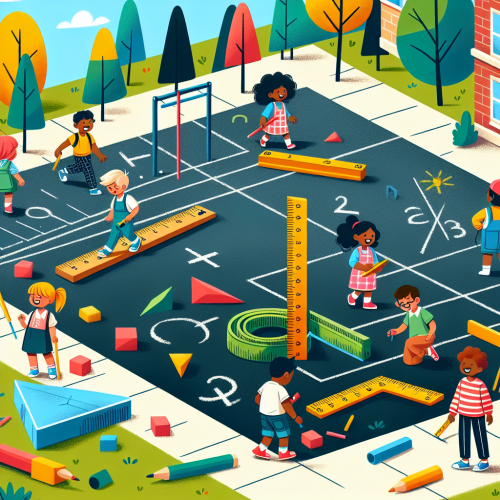
Scale Model Building - Collaborate with university partners to begin constructing scale models of playground designs using recycled materials, focusing on equal area sections (15 min)
Peer Review Session - Share model progress with classmates, receiving and giving feedback on design choices and calculation accuracy (15 min)
|
Refinement and Calculation - Continue refining playground models, ensuring precise calculations of area and perimeter for each section (15 min)
Communication Workshop - Practice presenting model designs and mathematical justifications clearly to a diverse audience, including university partners (15 min)
|
Final Touches and Presentation Preparation - Apply final adjustments to models and rehearse presentations, emphasizing clear articulation of ideas and collaboration with partners (15 min)
Reflection Circle - Gather to discuss insights gained from the project, focusing on teamwork, communication skills, and understanding of area and perimeter (15 min)
|
| Preparation |
1. Gather recycled materials such as cardboard, plastic containers, and fabric for students to use in constructing their scale models.
2. Prepare measuring tools such as rulers, tape measures, and string for students to accurately calculate and verify their designs.
3. Create a schedule for university partners to visit and assist students during the design and construction phase.
4. Set up a classroom area for model construction, ensuring there is sufficient space for each group to work collaboratively.
5. Organize digital media resources for students to use in creating visual presentations or video tours of their playground models.
6. Prepare reflection circle prompts to guide students in sharing their learning experiences and feelings about the project.
|