All grades
Project
4 weeks
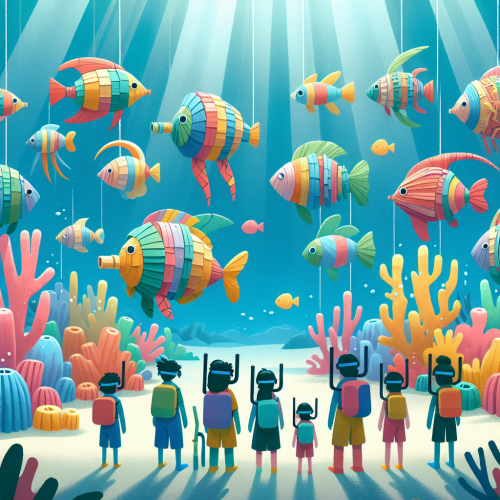
Fishy Sculptures: Saving Species with Style!
1-pager
Purpose
Students will engage in a hands-on project to create sculptures from recycled materials, aiming to raise awareness about endangered fish and the impact of ocean pollution. This project fosters environmental responsibility and creativity while integrating research, design, and collaboration skills. By connecting with community partners and showcasing their work, students will actively participate in a broader conversation about conservation and sustainability.
Learning goals
Students will investigate the life cycle and habitat of endangered fish species, analyzing how ocean pollution affects these ecosystems. They will develop skills in collaborative problem-solving and communication as they work together to design and construct sculptures. Through sketching and design exercises, students will apply concepts of scale, proportion, and balance to create structurally sound and visually appealing sculptures. The project will also enhance students' understanding of recycling's environmental impact and foster a sense of environmental responsibility.
Products
Students will create a series of interactive sculptures using recycled materials that depict endangered fish species, highlighting the impact of ocean pollution. Each sculpture will include informative plaques detailing the chosen fish's life cycle, habitat, and threats, serving as educational tools for viewers. These sculptures will be designed to engage audiences and provoke thought on environmental responsibility, culminating in an impactful community exhibition.
Launch
Begin the project with a dynamic 'Recycled Art Jam,' where students bring recyclable materials from home and engage in a collaborative brainstorming session. Encourage creativity and teamwork as they sketch initial ideas for their sculptures, exploring how these materials can represent the endangered fish species. This activity sets the stage for the project by fostering an environment of innovation and shared purpose, while emphasizing the importance of recycling and environmental awareness.
Exhibition
The 'Ocean Guardians Art Showcase' will take place at a local community center, where students will display their sculptures crafted from recycled materials. Attendees will include local artists, environmentalists, family members, and peers, who will engage in discussions with students about their creative process and the environmental message behind their work. This event will serve as a platform for students to share their learning journey and raise awareness about ocean pollution and endangered fish, fostering community dialogue on conservation efforts.
Plan
| Week 1 |
Day 1
|
Day 2
|
Day 3
|
Day 4
|
Day 5
|
|---|---|---|---|---|---|
| Activities |
Recycled Art Jam Launch - Host a dynamic 'Recycled Art Jam' where students bring in recyclable materials from home and participate in a collaborative brainstorming session to sketch initial ideas for their sculptures, focusing on creativity and teamwork (40 min)
|
Introduction to Endangered Fish - Introduce students to various endangered fish species, exploring their life cycles, habitats, and threats, with a focus on understanding the impact of ocean pollution (20 min)
Sketching Workshop - Guide students in a sketching workshop to refine their initial sculpture ideas, incorporating elements of scale and proportion, and ensuring structural integrity (20 min)
|
Research Session - Facilitate a research activity where students gather more detailed information on their chosen endangered fish species, using the research to inform their sculpture designs (25 min)
Team Collaboration - Engage students in collaborative discussions to share research findings and refine their sculpture concepts, emphasizing communication and problem-solving skills (15 min)
|
Design Planning - Direct students in creating detailed design plans for their sculptures, focusing on balance and aesthetic appeal, and ensuring the incorporation of recycled materials (30 min)
Essential Question Discussion - Lead a discussion around the essential question: 'What are the environmental impacts of recycling, and how can our sculpture project help raise awareness about endangered fish?' (10 min)
|
Field Trip Preparation - Prepare students for an upcoming field trip to a local recycling center by discussing the recycling process and its importance in the context of their project (15 min)
Peer Feedback Session - Organize a peer feedback session where students share their design plans and receive constructive feedback from classmates to enhance their projects (25 min)
|
| Deliverables |
1. Initial sketches and design plans for each student's sculpture, including considerations of scale, proportion, and balance.
2. Research notes detailing the life cycle and habitat of the chosen endangered fish species, highlighting pollution impacts. 3. A reflection journal entry on the experience at the recycling center and insights gained about the recycling process. |
||||
| Preparation |
1. Coordinate with the local recycling center to arrange the field trip and gather relevant materials for the visit.
2. Prepare sketching tools and design materials (e.g., paper, pencils, rulers) for students to use during the brainstorming and planning sessions. 3. Collect resources such as articles, videos, and infographics about endangered fish species and ocean pollution for student research. 4. Set up a collaborative workspace for the 'Recycled Art Jam,' ensuring ample space for students to display materials and work on sketches. 5. Provide a list of recyclable materials students can bring from home, ensuring a diverse range of options for their sculptures. |
||||
| Week 2 |
Day 6
|
Day 7
|
Day 8
|
Day 9
|
Day 10
|
|---|---|---|---|---|---|
| Activities |
Field Trip Planning - Organize logistics for visiting a local recycling center, discussing the educational goals and ensuring all students understand the significance of recycling in relation to their sculpture project. (40 min)
|
Recycling Center Visit - Attend a field trip to a local recycling center to learn about the recycling process, participate in hands-on activities, and gather insights on how these materials can be incorporated into their sculptures. (40 min)
|
Reflection and Sketch Revision - Reflect on insights gained from the recycling center visit and revise sculpture sketches to better integrate recycled materials, focusing on enhancing the environmental message. (20 min)
Collaborative Problem-Solving - Engage in group discussions to address any design or construction challenges, fostering teamwork and communication skills to refine project plans. (20 min)
|
Research and Design Enhancement - Research the life cycle and habitat of the chosen endangered fish species, using this information to inform and enhance the design elements of their sculptures. (40 min)
|
Feedback Wall Session - Participate in a 'Feedback Wall' activity where students post anonymous comments and suggestions on each other's sculptures, encouraging constructive criticism and reflection. (20 min)
Sketching and Design Techniques - Practice advanced sketching techniques to improve sculpture design, focusing on elements of scale, proportion, and balance for structural integrity and aesthetic appeal. (20 min)
|
| Deliverables |
1. Detailed research report on the selected endangered fish species, including its life cycle, habitat, and threats posed by ocean pollution.
2. Completed initial sketches and design plans for the sculptures, demonstrating understanding of proportion, scale, and balance. 3. Progress photos and journal entries documenting the construction process and problem-solving strategies used during sculpture building. |
||||
| Preparation |
1. Coordinate the field trip to the local recycling center, ensuring transportation and necessary permissions are arranged.
2. Gather sketching materials, including paper, pencils, rulers, and design templates for the sketching workshop. 3. Provide access to library resources and online databases for research on endangered fish species. 4. Prepare a designated space in the classroom for the 'Feedback Wall' with materials for posting comments and suggestions. |
||||
| Week 3 |
Day 11
|
Day 12
|
Day 13
|
Day 14
|
Day 15
|
|---|---|---|---|---|---|
| Activities |
Construction Kick-off - Begin constructing the sculptures using the design plans and incorporating recycled materials, focusing on teamwork and problem-solving during the building process (40 min)
|
Mid-Project Critique - Host a session with local artists and environmentalists who provide feedback on the sculptures' progress, offering insights to enhance both artistic and ecological impact (20 min)
Construction Continuation - Implement feedback into the sculpture design and continue building, ensuring integration of environmental themes (20 min)
|
Interactive Elements Workshop - Explore ways to incorporate interactive features into the sculptures, aiming to engage viewers and convey the conservation message effectively (20 min)
Incorporation and Enhancement - Integrate interactive elements into the sculptures and refine overall design to align with environmental messaging (20 min)
|
Collaborative Problem-Solving - Address any remaining design challenges collaboratively, ensuring all sculpture components are stable and aesthetically aligned (20 min)
Final Construction Phase - Complete the construction of sculptures, making final adjustments to enhance visual and thematic coherence (20 min)
|
Informative Plaque Creation - Design and write informative plaques to accompany each sculpture, detailing the endangered fish species, their habitat, and the environmental message (20 min)
Project Reflection - Reflect on the project progress so far, discussing the challenges and achievements, and preparing for next week's exhibition (20 min)
|
| Deliverables |
1. Completed and stable sculpture structure using recycled materials.
2. Informative plaque for each sculpture, detailing the endangered fish's life cycle and threats. 3. Photo journal entries documenting the construction process and reflections. |
||||
| Preparation |
1. Ensure a variety of recycled materials are available for students to use in their sculptures.
2. Prepare and set up materials for creating the informative plaques, such as card stock, markers, and reference materials. 3. Set up a designated space in the classroom for ongoing sculpture construction and storage. 4. Coordinate with local artists and environmentalists for a mid-week critique session. 5. Provide tools and resources for students to document their progress, such as cameras or tablets for taking photos. |
||||
| Week 4 |
Day 16
|
Day 17
|
Day 18
|
Day 19
|
Day 20
|
|---|---|---|---|---|---|
| Activities |
Final Construction Session - Complete the construction of sculptures, focusing on securing all elements and ensuring the use of recycled materials is consistent with the design plan (25 min)
Informative Plaque Writing - Create informative plaques for each sculpture, detailing the endangered fish's life cycle, habitat, and threats to educate viewers (15 min)
|
Artistic Finishing Touches - Apply finishing touches to sculptures, enhancing visual appeal and ensuring all details align with the environmental message (20 min)
Mid-Project Critique - Invite local artists and environmentalists for a mid-project critique session, receiving constructive feedback to refine and enhance the sculptures (20 min)
|
Feedback Implementation - Revise and improve sculptures based on feedback from the critique session, focusing on artistic and ecological impact (20 min)
Exhibition Preparation - Prepare sculptures and accompanying materials for the upcoming 'Ocean Guardians Art Showcase,' ensuring readiness for display (20 min)
|
Rehearsal for Presentations - Practice presenting sculptures and explaining the environmental message to peers, focusing on clear communication and engagement (25 min)
Exhibition Setup - Organize and arrange the exhibit space at the community center, ensuring each sculpture is displayed effectively and aesthetically (15 min)
|
Ocean Guardians Art Showcase - Host the 'Ocean Guardians Art Showcase' event, presenting sculptures to community members and engaging in discussions about environmental impact (40 min)
Reflective Circle - Conclude with a reflective circle where students discuss the emotional impact of their learning journey and how the project has influenced their views on environmental responsibility (40 min)
|
| Deliverables |
1. Completed and fully detailed interactive sculpture.
2. Informative plaque for each sculpture detailing the endangered fish's life cycle, habitat, and environmental threats. 3. Presentation during the 'Ocean Guardians Art Showcase,' engaging with community members about the project. |
||||
| Preparation |
1. Ensure access to any additional materials needed for final touches on sculptures, such as paint or adhesives.
2. Provide templates and materials for creating informative plaques, including cardstock, markers, and printing facilities. 3. Arrange logistics for the 'Ocean Guardians Art Showcase,' including transportation to the venue, setup requirements, and communication with community partners. 4. Prepare a reflective circle framework with guiding questions to facilitate meaningful discussion among students. 5. Coordinate with local artists and environmentalists to attend the exhibition and provide feedback. |
||||