2nd Grade
Project
8 weeks
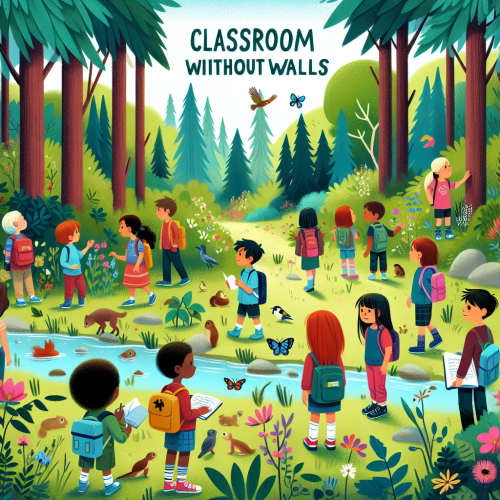
NatureQuest: Classroom Without Walls
1-pager
Purpose
Students will engage in a hands-on project to design and cultivate a wildlife-friendly garden in their schoolyard. This project aims to deepen understanding of environmental impacts and biodiversity through direct observation and interaction with local ecosystems. By collaborating with community partners in urban planning, students will learn to evaluate and refine solutions that support wildlife, while developing communication and critical thinking skills. Through daily activities, students will explore weather patterns and their effects on the garden, fostering a sense of place and belonging in their learning environment.
Learning goals
Students will design and implement a schoolyard garden that attracts and supports local wildlife, integrating their understanding of biodiversity and ecosystem services. They will observe and document weather patterns and their effects on plants and animals, fostering skills in scientific inquiry and data collection. Through collaboration with urban planning partners, students will engage in critical thinking and problem solving, while developing communication skills by participating in discussions and reflections. The project will culminate in an open learning exhibition where students present their findings and solutions, demonstrating their self-directed learning and academic mindset.
Standards
- [Next Generation Science Standards] HS-LS2-7 - Design, evaluate, and refine a solution for reducing the impacts of human activities on the environment and biodiversity.
- [Next Generation Science Standards] MS-LS2-5 - Evaluate competing design solutions for maintaining biodiversity and ecosystem services.
- [Next Generation Science Standards] HS-LS4-6 - Create or revise a simulation to test a solution to mitigate adverse impacts of human activity on biodiversity.
- [Wisconsin] SL1 - Prepare for and participate effectively in a range of conversations and collaborations with diverse partners, building on others' ideas and expressing their own clearly and persuasively.
- [Wisconsin] ELA.2.SL.3 - Ask and answer questions about what a speaker says in order to gather additional information, or clarify something that is not understood, or expand on the topic.
- [Wisconsin] ELA.2.SL.1.d - Consider individual differences when communicating with others.
- [Wisconsin] ELA.2.SL.1.b - Build on others' talk in conversations by linking their comments to the remarks of others.
- [Wisconsin] ELA.2.SL.1.a - Follow agreed-upon norms for discussions and participate by actively listening, taking turns, gaining the floor in respectful ways and staying on topic.
- [Wisconsin] ELA.2.SL.1.c - Ask for clarification and further explanation as needed about the topics and texts under discussion.
- [Wisconsin] ELA.2.W.7 - Participate in shared and independent inquiry and writing projects (e.g., read a number of books on a single topic to produce a report; record science observations).
Competencies
- Self Directed Learning - Students use teacher and peer feedback and self-reflection to monitor and direct their own learning while building self knowledge both in and out of the classroom.
- Academic Mindset - Students establish a sense of place, identity, and belonging to increase self-efficacy while engaging in critical reflection and action.
- Critical Thinking & Problem Solving - Students consider a variety of innovative approaches to address and understand complex questions that are authentic and important to their communities.
Products
Students will collaboratively design and build a wildlife-friendly garden in the schoolyard, featuring native plants and habitats for local species. They will create observational journals documenting weather patterns and their effects on the garden's flora and fauna. As part of the exhibition, students will present their findings and garden design to peers, teachers, and community partners, showcasing their understanding of biodiversity and ecosystem services. Additionally, students will produce a digital presentation or video that highlights the garden's development and its impact on local wildlife, integrating scientific data and personal reflections.
Launch
Begin the project by taking students on a guided exploration of the schoolyard to observe existing plants and wildlife. Encourage students to take notes and photographs of their observations, focusing on the interactions between the environment and local species. Facilitate a group discussion where students share their findings and brainstorm ideas for creating a garden that supports biodiversity. Introduce community partners from urban planning to provide insights and inspire students with real-world applications of their project.
Exhibition
Students will host an open learning exhibition in the schoolyard, showcasing their wildlife-friendly garden designs. They will present their findings on local weather patterns and their impact on biodiversity through interactive displays and guided tours. Community partners, including urban planners, will be invited to offer feedback and engage in discussions with students, fostering a collaborative learning environment. Students will reflect on their experiences and discoveries through open discussions, sharing insights and answering questions from visitors.
Plan
| Week 1 |
Day 1
|
Day 2
|
Day 3
|
Day 4
|
Day 5
|
|---|---|---|---|---|---|
| Activities |
Schoolyard Exploration - Students explore the schoolyard to identify existing plant and animal life, discussing the importance of biodiversity and the essential question (20 min)
Brainstorming Session - Facilitate a collaborative brainstorming session where students propose initial ideas for creating a wildlife-friendly garden (25 min)
|
Local Wildlife Research - Students work in small groups to research local wildlife species that could benefit from the garden, using online resources and library materials (30 min)
Interactive Discussion - Hold a class discussion to share findings and insights, encouraging students to consider how these species can be supported in the garden (15 min)
|
Garden Design Concepts - Students develop initial design concepts for the garden, integrating scientific principles and considering plant selection to support biodiversity (25 min)
Peer Feedback Session - Groups present their design concepts to peers for feedback, fostering self-directed learning and critical reflection (20 min)
|
Site Mapping - Students create a map of the schoolyard, identifying areas suitable for the garden and potential challenges to address in their designs (20 min)
Design Refinement - Based on feedback and site mapping, students refine their garden designs to better support local wildlife and ecosystem services (25 min)
|
Simulation Planning - Introduce the concept of creating or revising a simulation to test garden solutions, emphasizing the integration of ELA and Science standards (20 min)
Group Reflection - Facilitate open discussions on the progress made during the week, encouraging reflection on self-directed learning and academic mindset (25 min)
|
| Deliverables |
1. A group presentation of initial observations and findings from the schoolyard exploration.
2. A brainstorming map or list of potential garden features and plant species. 3. A research summary of local wildlife species and their habitat needs. |
||||
| Preparation |
1. Collect materials for observation, such as notebooks, pencils, and cameras.
2. Prepare resources for research, including books, articles, and internet access. 3. Arrange for a suitable outdoor space for exploration and brainstorming activities. 4. Provide art supplies for sketching initial design concepts. |
||||
| Week 2 |
Day 6
|
Day 7
|
Day 8
|
Day 9
|
Day 10
|
|---|---|---|---|---|---|
| Activities |
Native Plant Selection - Students research and select native plants that support local wildlife, focusing on plant characteristics and ecosystem benefits (25 min)
Plant Journals - Begin a plant observation journal where students document their chosen plant species, noting habitat preferences and wildlife interactions (20 min)
|
Garden Layout Planning - Students sketch a detailed layout for their garden area, incorporating selected plants and wildlife features (30 min)
Peer Review and Feedback - Groups exchange garden layouts and provide constructive feedback on design and biodiversity support (15 min)
|
Soil Testing and Preparation - Conduct soil tests in the designated garden area, analyzing soil quality and discussing amendments needed for plant health (25 min)
Soil Health Discussion - Engage in a class discussion about the importance of soil health and its impact on local biodiversity (20 min)
|
Construction of Wildlife Features - Students build small wildlife-friendly features, such as bird feeders or insect hotels, for integration into the garden (30 min)
Feature Placement Strategy - Plan the strategic placement of wildlife features within the garden to maximize biodiversity support (15 min)
|
Reflection and Goal Setting - Students reflect on the week's progress and set specific goals for the upcoming garden implementation phase (20 min)
Open Discussion - Facilitate an open discussion where students share insights and challenges, focusing on self-directed learning and academic mindset (25 min)
|
| Deliverables |
1. A detailed garden layout map or diagram created collaboratively in small groups.
2. A group proposal outlining the chosen plants and garden design, incorporating peer feedback. |
||||
| Preparation |
1. Gather materials for soil testing, including test kits, containers, and instructions.
2. Provide access to resources on native plants and local wildlife, such as books, websites, and expert contacts. 3. Ensure availability of art supplies for creating garden maps and diagrams. 4. Organize a space for peer review presentations and feedback sessions. 5. Prepare reflection prompts to guide students in their writing and ensure alignment with project goals. |
||||
| Week 3 |
Day 11
|
Day 12
|
Day 13
|
Day 14
|
Day 15
|
|---|---|---|---|---|---|
| Activities |
Wildlife Habitat Exploration - Students work in small groups to explore the schoolyard and identify potential habitats for different local wildlife, noting locations and elements that could be incorporated into the garden design (25 min)
Interactive Mapping - Students create a collaborative map of identified habitats and discuss how these can be integrated into the garden design to support biodiversity (20 min)
|
Environmental Impact Analysis - Students analyze the potential impacts of human activities on the identified habitats and brainstorm strategies to mitigate these impacts within the garden design (25 min)
Solution Design Workshop - Facilitate a workshop where students begin designing specific solutions and features to include in their garden to minimize negative human impact on biodiversity (20 min)
|
Collaborative Design Review - Students present their habitat integration and solution designs to the class, receiving feedback to refine their ideas and ensure alignment with project goals and standards (30 min)
Reflection and Adjustment - Groups reflect on feedback and adjust their garden plans, incorporating suggestions to enhance biodiversity and ecosystem services (15 min)
|
Simulation Exploration - Introduce students to the concept of simulating their garden designs using digital tools to predict ecological outcomes and biodiversity support (25 min)
Simulation Creation - Students begin creating basic simulations of their garden designs, testing and refining their plans based on predicted impacts and outcomes (20 min)
|
Simulation Refinement and Sharing - Students finalize their simulations and share with peers, discussing the results and potential adjustments needed to improve biodiversity support (30 min)
Weekly Reflection - Facilitate a class reflection on the week's activities, focusing on self-directed learning, critical thinking, and the progress made towards project goals (15 min)
|
| Deliverables |
1. Drafted garden design with selected native plants and layout plan
|
||||
| Preparation |
1. Gather research materials on local wildlife and native plants, including books, articles, and online resources.
2. Prepare soil samples and tools for students to test and record soil conditions. 3. Set up outdoor spaces for group work and reflection sessions. 4. Coordinate with community partners, such as local botanists or urban planners, for guest presentations or Q&A sessions. 5. Provide access to design software or materials for creating garden layout plans. |
||||
| Week 4 |
Day 16
|
Day 17
|
Day 18
|
Day 19
|
Day 20
|
|---|---|---|---|---|---|
| Activities |
Garden Implementation Planning - Students create a step-by-step plan for implementing their garden designs, considering materials, tools, and timeline (20 min)
Team Roles Assignment - Facilitate a discussion where students assign roles and responsibilities within their groups to ensure efficient garden construction (25 min)
|
Material Collection and Preparation - Students gather necessary materials and prepare the site for planting, ensuring alignment with their implementation plan (30 min)
Reflective Journaling - Facilitate a session for students to reflect on their preparation process and any challenges encountered (15 min)
|
Planting Day - Students begin planting their selected native plants in the designated garden area, following their layout plans (35 min)
Progress Sharing - Groups share their planting progress and discuss strategies for overcoming any obstacles faced (10 min)
|
Wildlife Features Installation - Students install previously constructed wildlife-friendly features, such as bird feeders and insect hotels, in the garden (30 min)
Feedback and Adjustment - Conduct a peer review session where groups provide feedback on feature placement and suggest adjustments for improved biodiversity support (15 min)
|
Garden Maintenance Plan - Students develop a maintenance schedule to ensure the continued health and growth of the garden, including watering, weeding, and monitoring plant development (20 min)
Reflection and Discussion - Facilitate an open discussion on the week's achievements and learning, emphasizing self-directed learning and critical reflection (25 min)
|
| Deliverables |
1. Completed plant layout plan with a list of selected native species and a rationale for each choice.
2. Field observation journal entries detailing biodiversity changes and reflections on the impact of their project work so far. 3. Peer review feedback forms submitted by each group, highlighting suggestions for improvement and reflections on their own designs. |
||||
| Preparation |
1. Gather plant catalogs or access to online databases for researching native plant species suitable for local wildlife.
2. Provide materials for sketching plant layout plans, such as graph paper, rulers, colored pencils, and drawing templates. 3. Ensure availability of tools and materials for garden site preparation, including gloves, shovels, measuring tapes, and markers for boundary marking. 4. Arrange for an outdoor classroom setup or space where students can work comfortably on their designs and site preparation. 5. Coordinate with community partners or local experts who can offer additional insights or resources on native plants and biodiversity. |
||||
| Week 5 |
Day 21
|
Day 22
|
Day 23
|
Day 24
|
Day 25
|
|---|---|---|---|---|---|
| Activities |
Garden Observation and Data Collection - Students visit the garden to observe plant growth and wildlife interactions, documenting changes and collecting data on biodiversity (25 min)
Data Analysis Workshop - Facilitate a session where students analyze their collected data, identifying patterns and drawing conclusions about the garden's impact on local wildlife (20 min)
|
Scientific Report Writing - Students begin drafting a scientific report summarizing their data analysis and observations, focusing on ecosystem services provided by the garden (30 min)
Peer Review and Feedback - Organize a peer review session where students exchange drafts and provide constructive feedback to improve clarity and scientific accuracy (15 min)
|
Final Report Revisions - Students revise their scientific reports based on peer feedback, ensuring alignment with scientific standards and clarity in their findings (25 min)
Interactive Presentation Planning - Students plan an interactive presentation to share their findings and the garden's impact with the school community (20 min)
|
Presentation Rehearsal - Students rehearse their interactive presentations, focusing on clear communication and engaging their audience with compelling data and visuals (25 min)
Visual Display Creation - Students create visual displays, such as posters or digital slideshows, to accompany their presentations and enhance audience understanding (20 min)
|
Presentation to Peers and Community - Students present their findings and the garden's impact to peers and invited community partners, facilitating discussions on sustainable practices (30 min)
Reflective Discussion - Facilitate a class reflection on the week's activities, emphasizing critical thinking and the application of scientific principles in real-world contexts (15 min)
|
| Deliverables |
1. Group garden design sketches and diagrams
2. List of selected native plants with reasoning for choices 3. Biodiversity survey report detailing observed species 4. Presentation slides or materials for garden design ideas |
||||
| Preparation |
1. Prepare biodiversity survey materials: observation sheets, species identification guides, magnifying glasses
2. Gather resources on native plants: books, articles, expert interviews 3. Provide art supplies for garden design sketches: paper, pencils, rulers 4. Set up presentation equipment: projectors, screens, laptops 5. Coordinate visits or virtual meetings with community partners for feedback on designs |
||||
| Week 6 |
Day 26
|
Day 27
|
Day 28
|
Day 29
|
Day 30
|
|---|---|---|---|---|---|
| Activities |
Garden Evaluation - Students visit the garden to evaluate plant growth and wildlife activity, using observation journals to document findings and assess ecosystem support (25 min)
Data Sharing Session - Facilitate a session where students share their observations and discuss patterns in biodiversity support, exploring ways to improve the garden's impact (20 min)
|
Impact Analysis Workshop - Students analyze the data collected from the garden, focusing on the impact of their designs on local biodiversity and ecosystem services (30 min)
Solution Refinement - Based on data analysis, students collaborate to refine garden features and design solutions that enhance biodiversity support (15 min)
|
Collaborative Proposal Development - Students work in groups to develop a proposal for additional garden features or adjustments, aiming to further reduce human impact and support local wildlife (25 min)
Peer Review and Feedback - Organize a peer review session where students exchange proposals and offer constructive feedback to strengthen their solutions (20 min)
|
Implementation Planning - Students create a detailed plan for implementing refined garden features, considering materials, timeline, and roles within their group (20 min)
Reflective Journaling - Facilitate a session for students to reflect on their planning process and set goals for successful implementation (25 min)
|
Garden Enhancement - Students begin implementing their refined garden features, following their detailed plans to support biodiversity and ecosystem services (30 min)
Weekly Reflection - Facilitate an open discussion on the week's achievements, focusing on self-directed learning, academic mindset, and critical thinking (15 min)
|
| Deliverables |
1. Each group will create and install at least one birdhouse or insect hotel in the garden.
2. Students will submit a research summary on pollinators and their role in maintaining biodiversity. 3. Completion of a reflective journal entry documenting personal learning and growth. |
||||
| Preparation |
1. Gather materials for constructing birdhouses and insect hotels, including wood, nails, hammers, and paint.
2. Provide access to research resources such as books, articles, and online databases about pollinators and local wildlife. 3. Prepare observation sheets for students to document their findings in the garden. 4. Arrange for a space where students can present their designs and receive feedback. 5. Ensure availability of journals or digital platforms for students to record their reflections. |
||||
| Week 7 |
Day 31
|
Day 32
|
Day 33
|
Day 34
|
Day 35
|
|---|---|---|---|---|---|
| Activities |
Garden Health Assessment - Students conduct a thorough assessment of the garden's health, documenting plant growth, soil condition, and wildlife presence (20 min)
Problem-Solving Workshop - Facilitate a session where students identify any issues in the garden and brainstorm strategies to address them, focusing on critical thinking and problem-solving (25 min)
|
Implementation of Solutions - Students implement the strategies devised to address garden issues, such as adding compost or rearranging plants for better growth (30 min)
Peer Feedback and Reflection - Students share the solutions they implemented with peers and reflect on their effectiveness, fostering self-directed learning and critical reflection (15 min)
|
Biodiversity Impact Analysis - Students analyze the garden's impact on local biodiversity, using data collected throughout the project to evaluate ecosystem services (25 min)
Scientific Discussion - Engage in a class discussion to share insights from the biodiversity impact analysis, encouraging students to consider the broader implications for urban planning (20 min)
|
Preparation for Exhibition - Students prepare for the upcoming exhibition by organizing their digital portfolios, ensuring all research, design solutions, and reflections are complete (30 min)
Exhibition Planning Session - Facilitate a session where students plan the layout and flow of their exhibition presentations, including guided tours and interactive stations (15 min)
|
Final Exhibition Rehearsal - Students conduct a full rehearsal of their exhibition presentations, focusing on clear communication and engaging delivery (25 min)
Open Reflection and Goal Setting - Facilitate an open discussion where students reflect on their learning journey and set personal goals for future projects, emphasizing self-directed learning and academic mindset (20 min)
|
| Deliverables |
1. Completed digital portfolio updates with documented planting process and initial observations.
2. Reflection piece on garden implementation and its impact on biodiversity. |
||||
| Preparation |
1. Gather necessary gardening tools and materials for soil preparation and planting (e.g., shovels, gloves, watering cans, mulch).
2. Ensure the availability of native plants and seeds suitable for attracting local wildlife, as selected by the students. 3. Set up a digital platform for students to upload photos and notes for their digital portfolios. 4. Prepare a structured observation sheet to guide students in recording their observations of the garden. 5. Arrange the classroom or outdoor space for the peer-feedback session, ensuring a conducive environment for presentations and discussions. |
||||
| Week 8 |
Day 36
|
Day 37
|
Day 38
|
Day 39
|
Day 40
|
|---|---|---|---|---|---|
| Activities |
Garden Impact Reflection - Students revisit the garden to observe changes and reflect on the project's impact on local biodiversity, documenting insights in their observation journals (25 min)
Community Feedback Session - Facilitate a session where students share their garden experiences and findings with community partners, gathering feedback and discussing potential improvements (20 min)
|
Portfolio Compilation - Students compile their research, observations, and reflections into a digital portfolio, highlighting key learning and project milestones (30 min)
Peer Review and Feedback - Organize a peer review session where students exchange portfolios and offer constructive feedback to enhance presentation and clarity (15 min)
|
Exhibition Preparation - Students prepare for the open learning exhibition by organizing their materials, setting up interactive stations, and rehearsing their presentations (30 min)
Exhibition Rehearsal - Conduct a full rehearsal of the exhibition, focusing on clear communication and engaging storytelling to convey the garden's impact (15 min)
|
Exhibition Day - Students host the open learning exhibition, presenting their garden and digital portfolios to peers, teachers, and community partners, facilitating discussions on biodiversity and sustainability (40 min)
Reflection and Celebration - Facilitate a class reflection on the exhibition experience and celebrate the project's achievements, emphasizing personal growth and academic mindset (5 min)
|
Final Reflection and Goal Setting - Students reflect on their overall project experience, discussing what they learned about themselves and setting goals for future projects (25 min)
Closure and Appreciation - Conduct a closing session where students express appreciation for their peers' contributions and celebrate the completion of the wildlife-friendly garden project (20 min)
|
| Deliverables |
1. Completed wildlife-friendly garden with all features installed.
2. Visual display and interactive station for the open learning exhibition. 3. Presentation and guided tour script for the exhibition. |
||||
| Preparation |
1. Gather materials for any final adjustments to the garden (e.g., additional mulch, signage for plant identification).
2. Prepare presentation materials (e.g., poster boards, digital slides, models) for the exhibition. 3. Coordinate with community partners and invitees to confirm their attendance at the exhibition. 4. Set up the exhibition space in the schoolyard, ensuring all presentation and tour areas are clearly defined. |
||||