All grades  Project 4 weeks

"California Reimagined: Redistricting Challenge!"

Nicolle N
D4.8.9-12
D4.8.6-8
D4.8.3-5
Self Directed Learning
Academic Mindset
+ 1 more
1-pager

Purpose

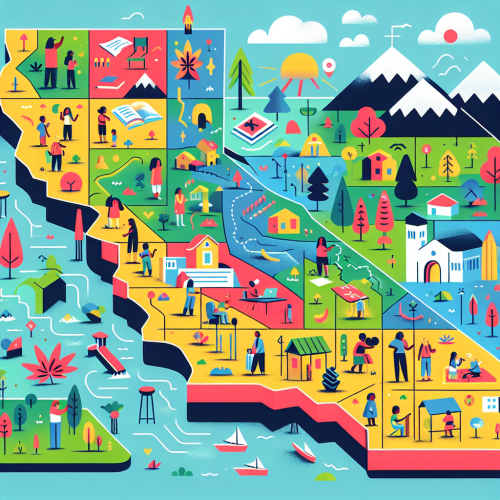
This project aims to engage students in a real-world civic challenge by having them redesign the district boundaries of California. Through this hands-on experience, students will apply democratic strategies to make informed decisions, fostering a deeper understanding of the electoral process and representation. By collaborating with community partners and reflecting on their learning, students will develop critical thinking skills and a sense of belonging, empowering them to take meaningful action in their communities.

Learning goals

Students will develop an understanding of the redistricting process and its impact on democratic representation by analyzing demographic data and creating equitable district maps for California. They will enhance their critical thinking and problem-solving skills by considering various factors that influence fair representation and electoral outcomes. Through collaboration with community partners and peers, students will engage in self-directed learning, utilizing feedback and reflection to refine their redistricting plans. Additionally, students will cultivate an academic mindset by connecting their work to real-world civic contexts, fostering a sense of identity and belonging in their community.
Standards
  • [National Council for the Social Studies] D4.8.9-12 - Apply a range of deliberative and democratic strategies and procedures to make decisions and take action in their classrooms, schools, and out-of-school civic contexts.
  • [National Council for the Social Studies] D4.8.6-8 - Apply a range of deliberative and democratic procedures to make decisions and take action in their classrooms and schools, and in out-of-school civic contexts.
  • [National Council for the Social Studies] D4.8.3-5 - Use a range of deliberative and democratic procedures to make decisions about and act on civic problems in their classrooms and schools.
Competencies
  • Self Directed Learning - Students use teacher and peer feedback and self-reflection to monitor and direct their own learning while building self knowledge both in and out of the classroom.
  • Academic Mindset - Students establish a sense of place, identity, and belonging to increase self-efficacy while engaging in critical reflection and action.
  • Critical Thinking & Problem Solving - Students consider a variety of innovative approaches to address and understand complex questions that are authentic and important to their communities.

Products

Throughout the project, students will collaboratively create a comprehensive redistricting plan for California, including detailed maps and data analyses. They will develop presentations to communicate their plans, highlighting how their proposed changes could impact election outcomes and citizen representation. By the end of the project, students will compile a portfolio showcasing their research, planning process, and reflections on civic engagement, which they will present to community partners and peers during the final project showcase.

Launch

Kick off the project with an interactive simulation where students role-play as members of a redistricting committee. Use a large map of California and provide students with demographic data, voting patterns, and community interests. Encourage students to work in small groups to propose initial district boundaries, fostering discussions on fairness and representation. Invite a guest speaker from the California redistricting committee to provide insights on real-world challenges and considerations in the process. This engaging launch will set the stage for deeper exploration and understanding of the complexities involved in redistricting.

Exhibition

Students will culminate their project by presenting their redistricting plans at a public showcase event, inviting community partners, including members of the California House and Senate redistricting committees, as well as peers and family members. Each group will display visual representations of their proposed district maps and explain the data-driven decisions behind their designs. Following the presentations, a Q&A session will allow students to engage with attendees, fostering dialogue about the implications of their plans on future elections and representation. This event will also include a reflection session where students discuss how the project has influenced their understanding of civic engagement and representation.