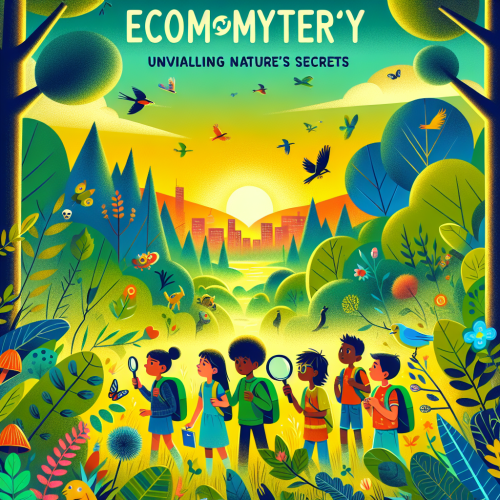
This project immerses students in the study of ecosystems, fostering a deeper understanding of their complexities and the critical role they play in our environment. Through hands-on field research and collaboration with Bay City Recreation Area, students will explore the intricate interactions within ecosystems and the impact of human activities, including potential pollutants. The project aims to equip students with the skills to analyze ecological data, develop evidence-based conservation strategies, and effectively communicate their findings to the community. By crafting storybooks for younger students and reading them aloud, students will build a lasting connection to ecological stewardship and the importance of sustainable practices, while also fostering environmental awareness in the next generation.
Learning goals
Students will develop a comprehensive understanding of ecosystem dynamics by investigating biotic and abiotic interactions and their roles in maintaining ecological balance, including potential pollutants in the area. They will enhance their research skills through fieldwork, data collection, and analysis, gaining insights into ecosystem services and environmental changes. By creating multimedia presentations and leading educational exhibits, students will refine their communication skills and ability to convey complex scientific concepts to diverse audiences. Through debates and peer reviews, students will cultivate critical thinking, collaboration, and public speaking skills, preparing them to propose and evaluate solutions for ecosystem protection. Additionally, students will apply their learning creatively by writing storybooks for younger students, explaining the importance of environmental care, and reading these stories to K-2 students, thereby reinforcing their understanding and fostering community engagement.
Standards
NGSS - HS-LS2-2: Use mathematical representations to support and revise explanations based on evidence about factors affecting biodiversity and populations in ecosystems of different scales.
NGSS - HS-LS2-8: Evaluate the evidence for the role of group behavior on individual and species’ chances to survive and reproduce.
Common Core - CCSS.ELA-LITERACY.W.9-10.3: Write narratives to develop real or imagined experiences or events using effective technique, well-chosen details, and well-structured event sequences.
Products
Students will create multimedia presentations that highlight the significance of ecosystem services and the effects of environmental changes, drawing on their field research and insights from community partners. They will also develop interactive displays for a pop-up educational exhibit at Bay City Recreation Area, which will include student-led tours to educate visitors about local biodiversity, human impact, and potential pollutants in the area. Additionally, students will write and illustrate storybooks aimed at younger audiences, explaining the importance of caring for the environment. These storybooks will be shared with K-2 students, fostering an early appreciation for environmental stewardship. These products will culminate in a public showcase, allowing students to share their findings and engage with the community in meaningful dialogue about ecosystem protection.
Launch
Kick off the project with a personalized letter from a K-2 principal, inviting students to create a storybook that explains the importance of caring for the environment. This task will set the stage for the project by highlighting the real-world impact of their work on younger students. Plan a culminating event where the 9th graders read their completed storybooks to the K-2 students, fostering a sense of responsibility and connection across grade levels.
Exhibition
Students will organize a pop-up educational exhibit at Bay City Recreation Area, featuring interactive displays and guided tours. They will present their research findings on local biodiversity, ecosystem services, and the impact of human activities, including potential pollutants in the area. The exhibit will include hands-on activities and multimedia presentations, inviting community members to engage with the students' work. Additionally, students will read storybooks they have written to younger students, explaining the importance of caring for the environment, fostering a sense of responsibility and connection across age groups.