About Us Impact News Pricing Contact Us Explore
Make a copy
About Us Impact News Pricing Contact Us Explore
Tools
Project-Based Learning Performance Assessment Student-Led Conferences Digital Portfolios
HTH GSE Kaleidoscope
Personalize your design more by filling out the framework elements.
Designed by the Professional Learning team at the High Tech High Graduate School of Education.
Learn more
Essential Question
What question will guide the project and learning?
Community Partners
What organizations and individuals will collaborate and enhance the learning experience?
Reflection
What opportunities are there for us to reflect on our academic and socio-emotional development?
Assessment
In what ways can we demonstrate what we have learned and how we have grown?
Exhibition
How and who will we celebrate our learning with?
Project Launch
What shared experiences will engage us in the content, skills, and mindsets of the project?
Core Content
What will we need to learn and practice in order to engage in the project?
Critique and Revision
How will opportunities for feedback and refinement be embedded in the project?
Product
What will we make, build, or do that will have an impact on us or the world around us?
Next
What question will guide the project and learning?

(1) What role does media bias play in shaping political narratives, and how can we critically assess these biases?
(2) How can we effectively identify and compare the biases present in news articles from different political perspectives?

    Design for Mastery Kit
    NEW
12th Grade  Lesson 45 minutes

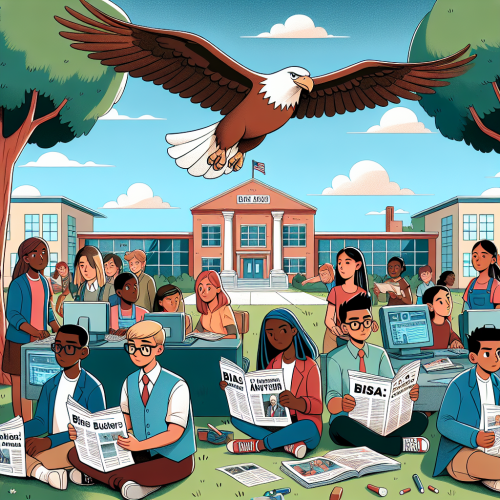
Bias Bingo: Unmasking Political Narratives!

José B
MA:Re8.1.iii
Self Directed Learning
Academic Mindset
Critical Thinking & Problem Solving
1-pager

Purpose

Students will engage in a hands-on exploration of media bias, critically analyzing how different political perspectives shape news narratives. Through project-based activities, they will develop skills in identifying and comparing biases, fostering a deeper understanding of media influence on public perception. This experience encourages students to reflect on the defining features of U.S. political systems and institutions, considering their responsibilities as citizens and enhancing their ability to participate in informed discussions and actions within their communities.

Learning goals

Students will pursue a deeper, nonpartisan understanding of United States politics and civic engagement, reflecting on the defining features of U.S. political systems and institutions, and consider the responsibilities of citizenship. They will critically analyze and compare media coverage from different political perspectives to identify biases and understand their impact on political narratives. Through creating digital infographics and participating in interactive exhibitions, students will develop self-directed learning skills, enhance their understanding of civic responsibilities, and engage in critical thinking and problem-solving related to media bias and its implications for democracy.
Standards
  • [National Core Arts Standards] MA:Re8.1.iii - HS Advanced: Analyze the intent, meanings and impacts of diverse media artworks, considering complex factors of context and bias.
Competencies
  • Self Directed Learning - Students use teacher and peer feedback and self-reflection to monitor and direct their own learning while building self knowledge both in and out of the classroom.
  • Academic Mindset - Students establish a sense of place, identity, and belonging to increase self-efficacy while engaging in critical reflection and action.
  • Critical Thinking & Problem Solving - Students consider a variety of innovative approaches to address and understand complex questions that are authentic and important to their communities.

Products

Students will create information tables that detail how different media outlets (left, right, center) report on the same political event, highlighting biases and narrative differences. They will then design a digital infographic that visually compares these perspectives, emphasizing the biases identified. This process encourages a deeper, nonpartisan understanding of U.S. political systems and civic engagement, as students reflect on the defining features of these systems and the responsibilities of citizenship.

Launch

Begin the learning experience with an interactive 'Bias Bingo' game, where students collaborate in groups to identify different types of media bias in curated news articles. Each group receives bingo cards with specific bias categories, prompting them to find examples and discuss their findings. This activity encourages critical thinking and sets the tone for a comprehensive exploration of media bias and political narratives.

Exhibition

Host a 'Media Bias Expo' where students present their digital infographics and information tables in an engaging, interactive format. Invite peers, teachers, and community members to explore the exhibits and engage in discussions about media bias and its impact on political narratives. Encourage students to lead small group sessions during the expo, teaching attendees how to use the AllSides Media Bias Chart to identify bias and facilitate collaborative discussions on the broader implications of media bias in shaping public opinion.
Learning Journey
No learning journey yet!
Plan

No plan yet

Create a Learning Journey first to generate your activity plan. The plan view will show your activities organized by day and week.

Share
Loading
Loading
Get it on Google Play
© 2026 Inkwire Inc
Contact Us Privacy Policy Terms of Service