2nd Grade  Project 4 weeks

Erosion Avengers: Nature's Barrier Builders!

Devon S
2.1.5.N
Self Directed Learning
Academic Mindset
Critical Thinking & Problem Solving
Content Expertise
+ 1 more
1-pager

Purpose

This project immerses second-grade students in understanding erosion while highlighting the benefits of drinking water for health. Through designing and testing erosion barriers, students apply critical thinking and problem-solving skills to real-world environmental challenges. The experience cultivates self-directed learning and reflection, allowing students to build a sense of identity and community as they actively contribute to local solutions.

Learning goals

Students will explore the benefits of drinking water through hands-on activities, connecting hydration to overall health. They will engage in designing and testing erosion barriers, fostering collaboration and critical thinking. By using feedback to refine their designs, students will enhance their understanding of erosion and its impact on the community. Engaging with community partners and participating in exhibitions will allow students to practice effective communication and deepen their academic mindset by connecting their work to real-world applications.
Standards
  • [California] 2.1.5.N - Describe the benefits of drinking water in amounts consistent with current research-based health guidelines.
Competencies
  • Self Directed Learning - Students use teacher and peer feedback and self-reflection to monitor and direct their own learning while building self knowledge both in and out of the classroom.
  • Academic Mindset - Students establish a sense of place, identity, and belonging to increase self-efficacy while engaging in critical reflection and action.
  • Critical Thinking & Problem Solving - Students consider a variety of innovative approaches to address and understand complex questions that are authentic and important to their communities.
  • Content Expertise - Students develop key competencies, skills, and dispositions with ample opportunities to apply knowledge and engage in work that matters to them.
  • Effective Communication - Students practice listening to understand, communicating with empathy, and share their learning through exhibiting, presenting and reflecting on their work.

Products

Students will create small-scale erosion barriers using natural materials, testing their effectiveness and refining their designs. They will also construct a detailed scale model of a local area affected by erosion, integrating their barriers to demonstrate potential real-world applications. These products will be showcased at an exhibition, allowing students to present their work and discuss the benefits of drinking water consistent with health guidelines as part of their learning process with visitors. Additionally, students will create informational posters highlighting the importance of water consumption and its role in preventing erosion, connecting their project to health standards.

Launch

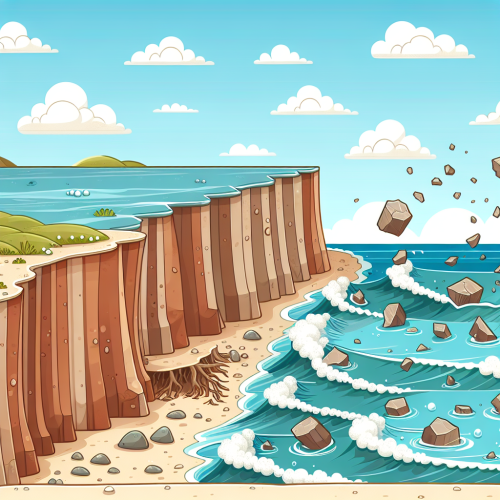
Begin the project with an 'Erosion Adventure Day' where students explore a nearby park or natural area to observe examples of erosion firsthand. During the exploration, students will learn about the importance of water in maintaining healthy ecosystems and discuss how drinking water benefits their health according to current guidelines. They will collect samples, take photos, and document their findings, sparking curiosity and setting the stage for their inquiry into erosion prevention. This immersive experience will provide a tangible context for their upcoming design and experimentation activities.

Exhibition

During the exhibition with buddy classes, students will present their scale models of local areas affected by erosion, highlighting their designed erosion barriers and emphasizing the importance of maintaining natural water sources. Interactive stations will allow students to explain their models and share insights from their project journey, fostering discussions about erosion prevention and the benefits of drinking water in line with health guidelines. This event will enable students to practice effective communication, receive feedback, and reflect on the real-world applications of their solutions.